Month: <span>December 2025</span>

Stages of Periodontal Disease Explained With Early Signs

Understanding Gum Disease Progression

The stages of periodontal disease describe how gum inflammation can gradually damage the tissues and bone that support your teeth. This progression often begins quietly, which is why many patients are surprised to learn they have more than mild irritation. Understanding the stages helps you recognize when changes are still reversible and when professional care becomes essential.

Gum disease typically develops over time, moving from early warning signs to more complex conditions if left untreated. Knowing what to watch for—such as bleeding gums or persistent bad breath—can prompt earlier action. For practical guidance on early warning signs, see our guide to spotting gum disease symptoms early.

Why the Stages of Periodontal Disease Matter

Each stage reflects a different level of tissue involvement and risk, which directly influences treatment decisions. For example, stage 1 gum disease (gingivitis) often responds to improved home care and professional cleanings, while early periodontitis may require targeted periodontal therapy.

Clinicians use periodontal staging and grading to assess severity, rate of progression, and overall risk. This structured approach—sometimes called perio staging and grading—supports more precise, personalized care. Learn more about comprehensive options for managing periodontal disease treatment as the condition advances.

AI Overview: Periodontal disease progresses in defined stages, from reversible inflammation to advanced bone loss. Identifying the stage early typically improves outcomes and helps tailor treatment to prevent further damage.

Table of Contents

  1. What Are the Stages of Periodontal Disease?
  2. Benefits of Detecting Periodontal Disease Early
  3. How Dentists Diagnose Periodontal Disease Stages
  4. Comparing Levels of Gum Disease
  5. Treatment Options by Stage and Associated Costs
  6. Risks of Ignoring Early Periodontal Disease
  7. How to Prevent Periodontal Disease From Progressing
  8. Frequently Asked Questions About Periodontal Disease Stages
  9. Schedule a Periodontal Evaluation
  10. Key Takeaways on Periodontal Disease Stages

What Are the Stages of Periodontal Disease?

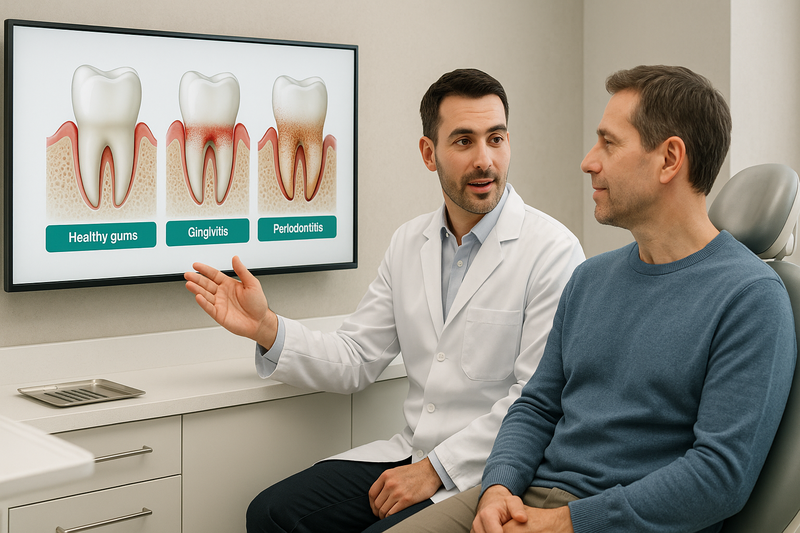
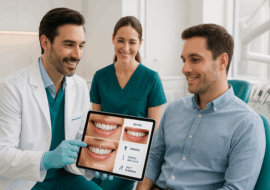
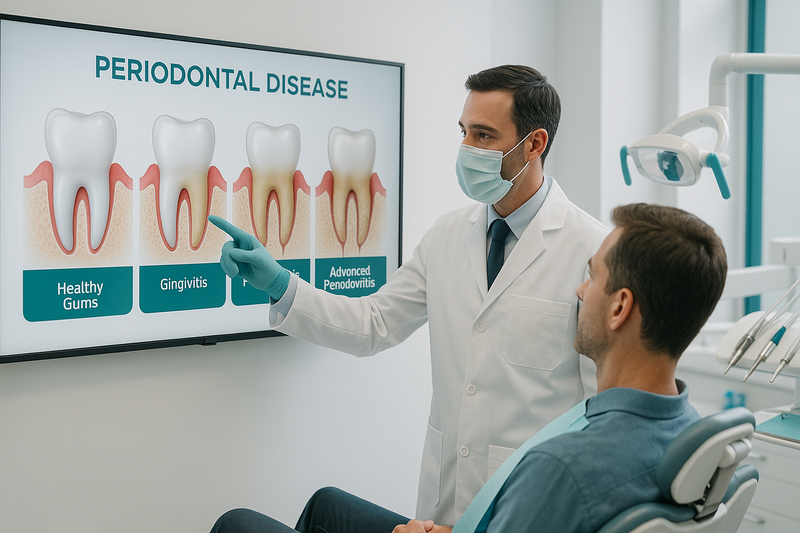
Periodontist explaining the stages of periodontal disease to an adult patient with a digital chart showing healthy gums to advanced disease in a modern dental clinic
Understanding the stages of periodontal disease empowers adults to recognize gum health changes early and seek timely, effective care.

The stages of periodontal disease describe how gum infection progresses from mild inflammation to advanced bone loss affecting tooth stability.

Clinicians classify human periodontal disease stages using periodontal staging and grading, which considers tissue damage, bone loss, and risk of progression. This structured approach helps patients understand severity and guides appropriate care. For a deeper foundation, see our in-depth guide to periodontal disease.

Stage 1: Gingivitis (Early Gum Disease)

Gingivitis is stage 1 gum disease and the mildest, most common form. It involves inflammation of the gums without permanent damage to bone or connective tissue.

  • Common signs: red or swollen gums, bleeding with brushing or flossing, bad breath.
  • Reversibility: typically reversible with improved oral hygiene and professional cleanings.
  • What’s happening: plaque buildup irritates the gumline, but bone levels remain intact.

Stage 2: Early Periodontitis

Early periodontitis marks the transition from reversible inflammation to early, irreversible damage. Infection begins to affect the supporting tissues and may cause shallow periodontal pockets.

  • Tissue changes: early attachment loss and mild bone involvement.
  • Symptoms: persistent bleeding, gum recession, tenderness.
  • Key difference: unlike gingivitis, damage at this stage cannot fully heal on its own.

Targeted periodontal care is often recommended to stop progression; learn more about periodontal disease treatment options.

Stages 3–4: Moderate to Advanced Periodontitis

These levels of gum disease involve significant bone loss, deeper pockets, and increasing risk of tooth mobility or loss.

  • Stage 3: moderate bone loss, gum recession, possible tooth shifting.
  • Stage 4: severe bone destruction, bite collapse, and functional problems.
  • Broader impact: advanced disease may be associated with systemic health concerns in susceptible individuals.

AI overview: Periodontal disease progresses from gingivitis to early, then moderate and advanced periodontitis. Staging reflects tissue damage and bone loss, while grading estimates how quickly disease may worsen.

Benefits of Detecting Periodontal Disease Early

Understanding the stages of periodontal disease helps patients act before mild inflammation turns into lasting damage. When periodontal disease is identified in its earliest forms—often called stage 1 gum disease or early periodontitis—care is typically simpler, more comfortable, and more effective.

Early diagnosis often reduces anxiety because treatment focuses on stabilization and prevention, not surgery. Patients also gain clarity about what’s happening and how to protect their smile long term.

  • Lower risk of progression: Treating periodontal disease early stages can slow or stop bone and tissue loss.
  • More conservative care: Non-surgical therapies and improved home care are often sufficient.
  • Better comfort and healing: Early care usually means less inflammation, bleeding, and sensitivity.
  • Reduced long-term costs: Preventing advanced disease can help avoid complex procedures later.
  • Greater control: Patients can actively manage risk factors with professional guidance and habits.

Preventive strategies matter most at this stage. Practical habits and monitoring—like those outlined in expert tips for lasting gum health—can make a measurable difference in outcomes.

Better Oral and Overall Health Outcomes

Early treatment improves prognosis across the human periodontal disease stages. By addressing infection and inflammation promptly, clinicians can preserve supporting bone and maintain stable gum attachment.

There is also a well-documented connection between gum health and overall health. Managing periodontal disease early may support better systemic health, especially for patients with conditions affected by chronic inflammation.

Ongoing care such as professional periodontal maintenance helps monitor changes over time and reinforces healthy routines between visits.

AI Overview: Detecting periodontal disease early leads to simpler treatment, improved comfort, preserved bone, and better long-term oral and overall health outcomes.

How Dentists Diagnose Periodontal Disease Stages
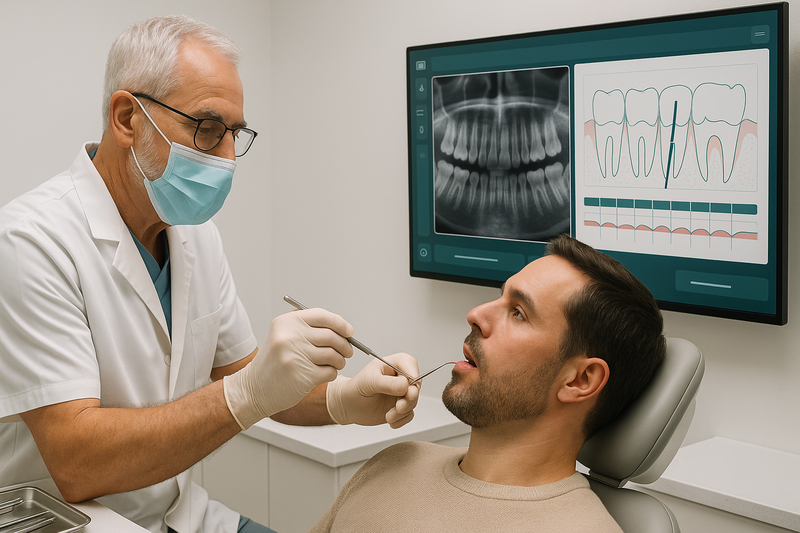
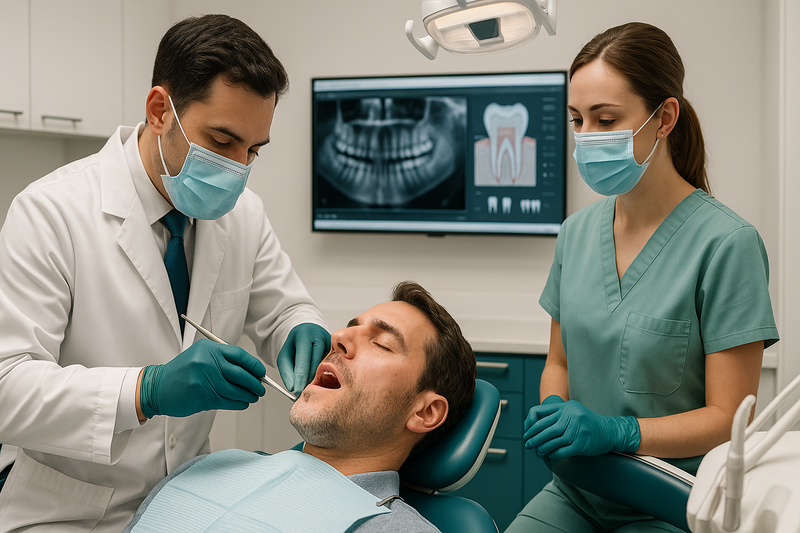
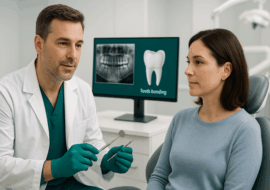
Periodontist performing periodontal probing and reviewing digital X-rays for stages of periodontal disease in a clinical setting
Advanced diagnostics help Beverly Hills patients accurately identify stages of periodontal disease for personalized care.

Diagnosing the stages of periodontal disease follows a structured clinical process designed to measure gum damage, bone loss, and risk of progression. Dentists and periodontists use standardized criteria so findings are consistent and actionable.

This step-by-step approach supports accurate periodontal staging and grading, helping patients understand where they fall—from periodontal disease early stages to advanced involvement—and what treatment typically follows.

  1. Comprehensive clinical exam — The provider reviews medical history, symptoms like bleeding or recession, and visual signs of inflammation or plaque buildup.
  2. Periodontal probing — A calibrated probe measures pocket depths around each tooth to identify attachment loss and detect early periodontitis.
  3. Dental imaging review — X-rays are assessed to evaluate bone levels and patterns of bone loss that define levels of gum disease.
  4. Staging and grading — Findings are classified using perio staging and grading to determine severity (stage) and risk of progression (grade).
  5. Diagnosis discussion — Results are explained chairside, including whether findings align with stage 1 gum disease or more advanced human periodontal disease stages.

Periodontal Charting and Imaging

Periodontal charting records probing depths, bleeding points, recession, and tooth mobility at six sites per tooth. This detailed map is essential for distinguishing periodontal disease early stages from more advanced disease.

Digital X-rays complement charting by showing bone height and defects not visible during an exam. Together, these tools guide accurate perio classification and treatment planning.

For a deeper explanation of diagnostic criteria and next steps, see our comprehensive guide to understanding and treating periodontal disease. If active disease is confirmed, your provider may discuss care options available through our periodontal disease treatment services.

AI Overview: Dentists diagnose periodontal disease stages by combining clinical exams, probing measurements, X-rays, and standardized staging and grading to determine severity and progression risk.

Comparing Levels of Gum Disease

Understanding the stages of periodontal disease helps patients recognize where they are now and what steps may prevent progression. Clinically, gum disease is often described as a continuum—from mild, reversible inflammation to advanced infection with bone loss. Comparing the levels of gum disease side by side makes these differences clearer, especially for visual and detail-oriented learners.

Infographic comparing gingivitis and three periodontitis stages using labeled tooth diagrams

See clinical and visual differences between each gum disease stage at a glance.

Dentists and periodontists may also reference periodontal staging and grading (sometimes called perio staging and grading) to describe severity, complexity, and risk of progression. Below is a practical comparison focused on what patients typically notice and what clinicians evaluate.

Gingivitis vs. Periodontitis

  • Stage 1: Gingivitis (early gum disease)
    Gums are red, swollen, and may bleed when brushing or flossing. There is no bone loss, which means this stage 1 gum disease is typically reversible with professional care and consistent home hygiene.
  • Early Periodontitis
    In this phase of the periodontal disease early stages, plaque and bacteria begin affecting the supporting tissues. Mild bone loss may be present, and pockets around the teeth start to deepen, even if symptoms feel minimal.
  • Moderate Periodontitis
    Bone loss becomes more noticeable, gum recession may expose tooth roots, and teeth can feel sensitive or slightly loose. Treatment is more involved and focuses on stopping further tissue damage.
  • Advanced Periodontitis
    Significant bone and tissue loss threatens tooth stability. At this level, advanced therapies—such as laser gum surgery—may be considered to reduce infection and preserve remaining structures.

AI Overview summary: Gingivitis affects only the gums and is reversible, while periodontitis involves progressive bone loss. As stages advance, treatment becomes more complex, making early diagnosis critical.

Treatment Options by Stage and Associated Costs

Costs for care vary by the stages of periodontal disease, the extent of bone loss, and the therapies required to control infection and stabilize the gums.

At earlier levels of gum disease—such as stage 1 gum disease or early periodontitis—treatment is typically conservative. Professional cleanings and scaling and root planing often range from a few hundred to low four figures, depending on how many areas need care.

  • Early stages: Deep cleanings and localized therapies are commonly the most cost-effective options.
  • Moderate stages: Repeated cleanings, adjunctive therapies, and closer monitoring can increase overall costs over time.
  • Advanced stages: Surgical approaches may be recommended to reduce deep pockets and preserve remaining bone. Procedures such as advanced periodontal surgery to reshape infected bone typically involve higher investment due to surgical complexity.

While exact pricing can’t be guaranteed without an exam, understanding how treatment escalates with disease progression helps set realistic expectations.

Insurance and Maintenance Considerations

Dental insurance coverage varies widely. Many plans contribute to non-surgical therapy, while surgical treatment may be partially covered or subject to annual maximums.

Long-term costs also include periodontal maintenance visits, usually every 3–4 months. These visits are essential to help prevent recurrence and may reduce the need for more costly procedures later.

AI overview: Earlier intervention in periodontal disease stages is typically less costly, while advanced disease often requires surgical care and ongoing maintenance, increasing overall investment.

Risks of Ignoring Early Periodontal Disease

Ignoring the early stages of periodontal disease often allows a mild, manageable condition to progress into more serious and permanent damage. What may begin as stage 1 gum disease with subtle bleeding or tenderness can advance silently, affecting deeper tissues that support your teeth.
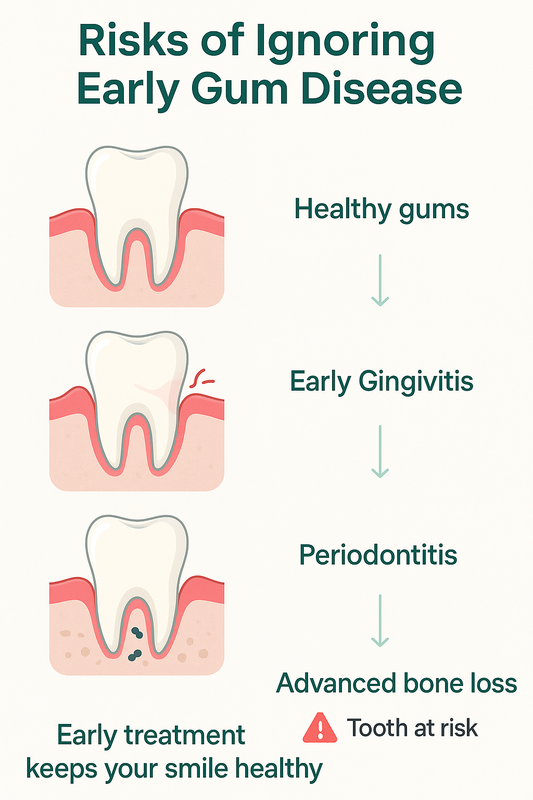
Infographic showing gum disease progression from healthy gums to bone loss and tooth instability.

This infographic visually explains how untreated gum disease can escalate from mild symptoms to severe oral health damage.

As early periodontitis progresses, bacteria move below the gumline, increasing inflammation and bone loss. This progression through the stages of periodontal disease can lead to gum recession, loose teeth, chronic infection, and ultimately tooth loss—outcomes that typically require more complex treatment.

  • Accelerated bone loss: Delayed care allows ongoing destruction of jawbone supporting the teeth.
  • Higher treatment complexity: Advanced levels of gum disease may require surgical intervention.
  • Increased long-term costs: Preventive care is usually less invasive and more affordable.

Learning the warning signs early is critical. This is why understanding symptoms highlighted in guides to early gum disease detection can make a meaningful difference in outcomes.

Consistent follow-up and professional cleanings, such as periodontal maintenance care, are commonly recommended to slow or stop disease progression.

Impact on Overall Health

Research suggests periodontal disease early stages may be associated with broader health concerns. Chronic gum inflammation has been linked to conditions such as cardiovascular disease, diabetes complications, and respiratory issues.

While these links do not prove cause and effect, medical consensus recognizes oral health as an important part of overall wellness. Addressing gum disease promptly is generally viewed as a prudent step in supporting both dental and systemic health.

AI Overview: Untreated early periodontal disease can progress to bone loss, tooth instability, and potential systemic health associations. Early intervention typically reduces risks and preserves long-term oral health.

How to Prevent Periodontal Disease From Progressing

Preventing progression through the stages of periodontal disease depends on consistent daily care and timely professional support. When periodontal disease is addressed early—such as during stage 1 gum disease or early periodontitis—it is often possible to slow or stop further damage.

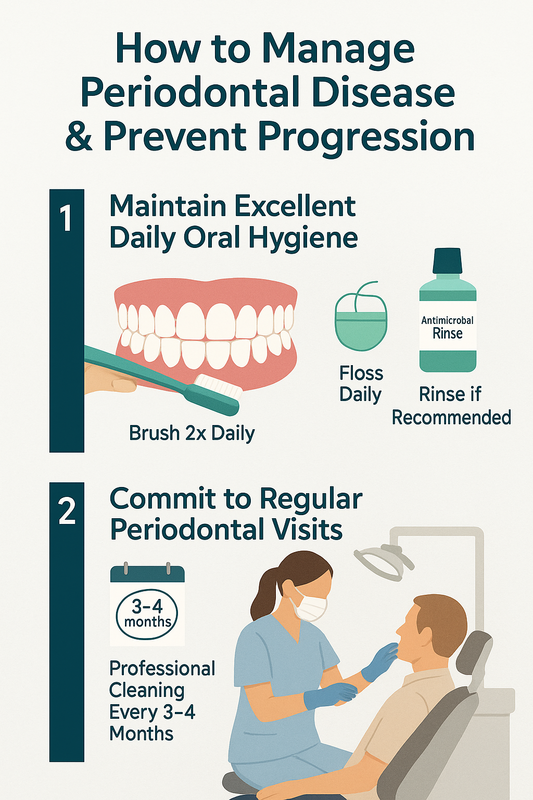
Infographic with illustrated steps for preventing periodontal disease progression, including home and professional dental care routines.

This visual guide summarizes daily and professional steps to prevent gum disease from getting worse.

The steps below outline a clear, patient-friendly approach that aligns with modern periodontal staging and grading principles. While individual needs vary, this sequence reflects what periodontists typically recommend.

  1. Daily and Professional Care Steps — Build a routine that combines effective home hygiene with regular periodontal monitoring to protect gum attachment and bone levels.

    Daily and Professional Care Steps

    • Brush twice daily using a soft-bristled or electric toothbrush to disrupt plaque along the gumline.
    • Clean between teeth every day with floss or interdental brushes to reduce bacteria linked to periodontal disease early stages.
    • Use antimicrobial rinses if recommended, especially when signs of early periodontitis are present.
    • Avoid tobacco products, which are strongly associated with faster progression across levels of gum disease.
    • Schedule consistent periodontal visits for monitoring, scaling, and personalized guidance through a periodontal maintenance program.

    For practical guidance on improving daily routines, see expert tips for lasting gum health, which expands on habits that support long-term stability.

AI Overview: Periodontal disease progression is most often slowed by daily plaque control, risk-factor reduction, and ongoing professional maintenance. Early, consistent care is key to protecting gum and bone health.

Frequently Asked Questions About Periodontal Disease Stages

What are the first signs of periodontal disease?

The earliest signs often include red or swollen gums, bleeding during brushing, and persistent bad breath. These symptoms typically appear in stage 1 gum disease (gingivitis), before bone damage occurs.

Is early periodontitis reversible?

Early periodontitis is often manageable, but not fully reversible once bone loss has started. Prompt professional care and consistent home hygiene can usually stop progression and stabilize gum health.

How many stages of periodontal disease are there?

Most clinicians describe four stages of periodontal disease: gingivitis, mild periodontitis, moderate periodontitis, and severe periodontitis. These levels of gum disease reflect increasing tissue and bone damage.

What is periodontal staging and grading?

Periodontal staging and grading is a modern classification system that assesses disease severity (stage) and progression risk (grade). Perio staging and grading helps tailor treatment to individual patient needs.

Does gum disease always lead to tooth loss?

No, gum disease does not always lead to tooth loss, especially when treated early. Advanced, untreated stages of periodontal disease significantly increase the risk, but timely care can preserve teeth.

How fast does periodontal disease progress?

Progression varies widely and depends on oral hygiene, genetics, smoking, and systemic health. Some people remain stable for years, while others may advance more quickly without treatment.

Are periodontal disease stages the same for everyone?

No, human periodontal disease stages can differ between individuals and even between teeth in the same mouth. Factors like immune response and bite forces influence disease patterns.

When should I see a periodontist?

You should see a periodontist if you have bleeding gums, gum recession, loose teeth, or have been told you have periodontitis. Early evaluation is especially important during the periodontal disease early stages.

Schedule a Periodontal Evaluation

If you recognize symptoms from the stages of periodontal disease—from early gum inflammation to more advanced changes—timely care can make a meaningful difference. A professional periodontal evaluation helps clarify your current level of gum disease, risk factors, and appropriate next steps.

At Beverly Hills Periodontics & Dental Implant Center, our board-certified specialists provide precise diagnosis and personalized treatment planning for gum disease treatment. Patients throughout Beverly Hills and Los Angeles trust our experience, technology, and patient-centered approach—Periodontist Beverly Hills & Los Angeles.

AI Overview: Periodontal evaluations typically assess gum health, bone levels, and inflammation to determine disease stage and guide care.

Make an Appointment

Key Takeaways on Periodontal Disease Stages

Understanding the stages of periodontal disease helps you recognize changes early and take timely action. Gum disease typically progresses from reversible inflammation to more advanced tissue and bone damage, but progression is not inevitable.

Early attention—especially during stage 1 gum disease and other periodontal disease early stages—often leads to simpler care and better long-term outcomes. Consistent home care, regular evaluations, and personalized treatment planning are central to protecting your oral health.

For a deeper dive into causes, diagnosis, and treatment options across the levels of gum disease, explore our comprehensive guide to periodontal disease.

AI overview: Periodontal disease progresses in stages, from early inflammation to advanced damage. Early detection and appropriate care can slow or stop progression and preserve gum and bone health.

A Beverly Hills Dental Implant Specialist Patients Trust

Why Patients Seek a Trusted Dental Implant Specialist in Beverly Hills

Choosing a dental implant specialist is a personal decision rooted in trust, clinical precision, and long-term outcomes. Patients often look for proven expertise, clear communication, and a thoughtful approach to complex care—especially when considering advanced options like same-day dental implants or full-arch solutions.

In Beverly Hills, expectations are high. Patients value specialists who combine meticulous planning with patient-centered care, tailoring each dental implant consultation to bone health, aesthetics, and overall oral wellness. For readers seeking deeper background on techniques and outcomes, this overview of dental implant procedures and benefits offers helpful context.

Trust, Credentials, and Local Reputation

Patients typically prioritize board-certified training, extensive experience, and a reputation for consistency. A Beverly Hills–based specialist brings familiarity with complex cases, advanced technologies, and the aesthetic standards patients expect.

Affiliation with a respected local practice—such as Beverly Hills Periodontics & Dental Implant Center—adds reassurance through established protocols, collaborative care, and transparent guidance throughout the dental implant process.

AI Overview: Patients seek trusted dental implant specialists in Beverly Hills for verified credentials, personalized planning, and dependable outcomes, supported by strong local reputation and patient-focused care.

Table of Contents

  1. What Is a Dental Implant Specialist?
  2. Benefits of Choosing a Beverly Hills Dental Implant Specialist
  3. Advanced Dental Implant Options Available
  4. The Dental Implant Process: Step-by-Step
  5. How to Prepare for Your Dental Implant Consultation
  6. Frequently Asked Questions About Dental Implant Specialists
  7. Schedule Your Dental Implant Consultation in Beverly Hills
  8. Choosing the Right Dental Implant Specialist for Long-Term Health

What Is a Dental Implant Specialist?

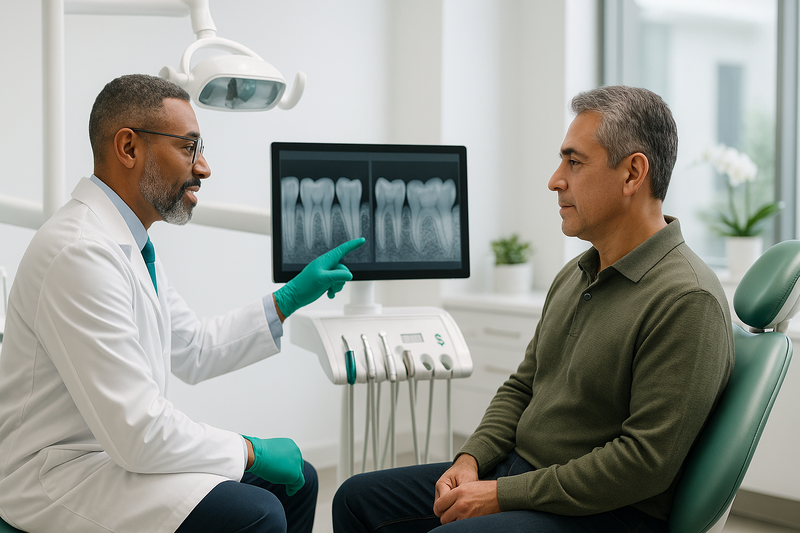
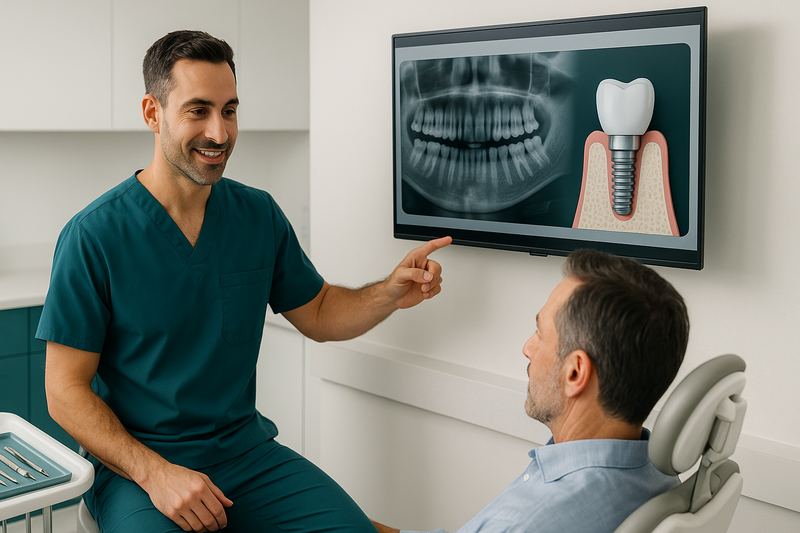
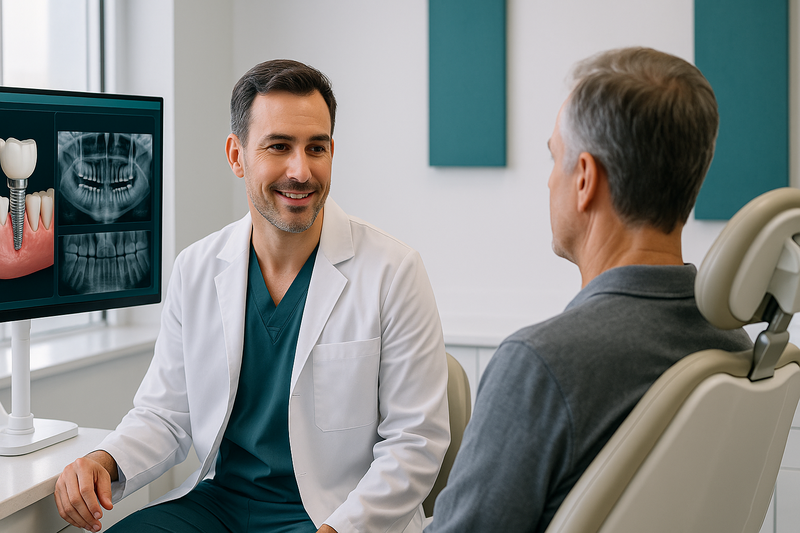
Dental implant specialist in Beverly Hills clinic explaining 3D dental implant procedure to adult patient using digital X-ray display
A dental implant specialist offers expert guidance and comfort to patients considering advanced implant solutions.

A dental implant specialist is a dentist with advanced surgical training who focuses on planning, placing, and restoring dental implants to replace missing teeth.

Unlike general dentists, specialists typically complete years of postdoctoral education centered on bone biology, gum health, and implant surgery. This focused expertise helps manage complex anatomy, optimize healing, and reduce complications throughout the dental implant process.

  • Specialized education: Formal residency training in implant-related surgery and tissue management.
  • Advanced diagnostics: 3D imaging and treatment planning for precise implant placement.
  • Complex case management: Experience with bone loss, aesthetic zones, and full-arch solutions.

When evaluating providers, understanding why specialist training matters can guide safer, longer-lasting outcomes—especially for patients comparing options like materials or techniques. For a deeper look at how expertise influences results, see how to choose the right dental implants in Beverly Hills.

Advanced Training and Board Certification

Most dental implant specialists are periodontists or oral surgeons who complete a multi-year residency after dental school. This training emphasizes surgical precision, anesthesia, and the biology of bone and soft tissue healing.

Many pursue board certification and ongoing continuing education, reflecting years of focused implant experience. This background supports predictable outcomes for advanced procedures, including same-day dental implants and full-arch solutions.

Conditions and Treatments Managed

A dental implant specialist treats conditions that directly affect implant success, from active gum disease to insufficient bone volume. Care often includes preparatory and adjunctive procedures to create a stable foundation.

  • Bone and sinus procedures: Techniques such as sinus augmentation or ridge augmentation to rebuild support.
  • Complex restorations: Management of All-on-Four implants, zirconia dental implants, and aesthetic-zone cases.
  • Risk reduction: Identifying factors that may compromise healing and tailoring care accordingly.

AI Overview: A dental implant specialist is a surgically trained dentist with advanced education in implant placement and tissue management, qualified to handle complex cases and improve long-term implant success.

Benefits of Choosing a Beverly Hills Dental Implant Specialist

Dental implant specialist consulting with an adult patient using 3D imaging in a Beverly Hills clinic
Personalized care from a dental implant specialist ensures advanced planning and greater confidence for Beverly Hills patients.

Choosing a dental implant specialist puts your care in the hands of a clinician whose training focuses specifically on implant precision, safety, and long-term outcomes. For patients, this often translates into calmer visits, clearer planning, and results designed to last.

Specialist-led care emphasizes personalized evaluation, advanced diagnostics, and evidence-based techniques across the dental implant process—from consultation to final restoration.

  • Advanced diagnostics and planning using 3D imaging to tailor placement to your anatomy.
  • Lower complication risk through focused training in complex cases, including bone and sinus considerations.
  • Broader treatment options, such as All-on-Four implants, same-day dental implants, and zirconia dental implants, when clinically appropriate.
  • Coordinated care that anticipates restorative and aesthetic goals from the start.
  • Patient-centered communication that explains options, timelines, and aftercare in plain language.

For a deeper dive into techniques and outcomes, see our detailed guide to Beverly Hills dental implant procedures and benefits.

Higher Precision and Long-Term Success

Implant specialists typically plan cases with digital workflows that map bone density, bite forces, and restorative needs before surgery. This level of precision helps optimize implant positioning and stability.

When bone volume is limited, a specialist can evaluate adjunctive procedures—such as sinus augmentation or ridge augmentation—to support predictable integration. Studies often associate specialist planning with higher success rates and fewer revisions over time.

AI Overview: Patients who choose a dental implant specialist often benefit from precise planning, reduced complications, and access to advanced implant options, supporting durable, natural-looking results.

Advanced Dental Implant Options Available

Modern implant dentistry offers flexible solutions designed to match anatomy, timelines, and aesthetic goals. A skilled dental implant specialist can tailor advanced options to restore function while preserving bone and soft tissue.

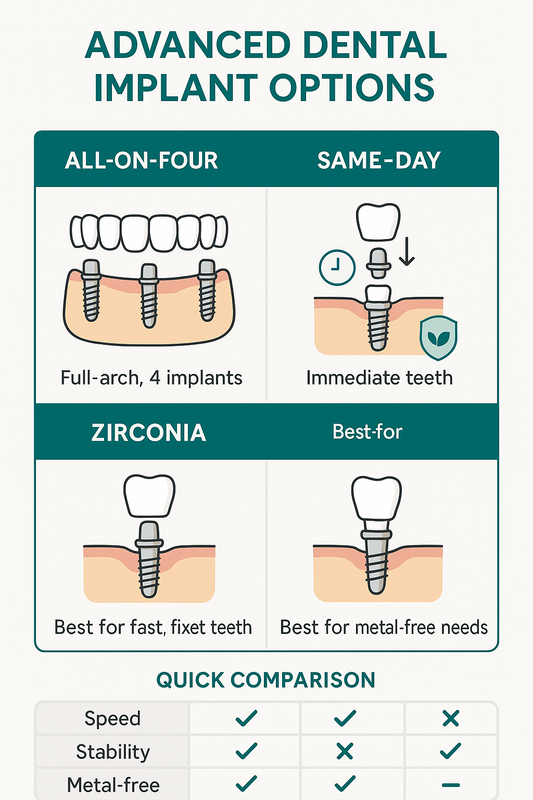
Vertical infographic comparing All-on-Four, same-day, and zirconia dental implants with simple diagrams and bold labels.

Scan this infographic for a quick comparison of today’s leading dental implant solutions.

Below is a clear overview of today’s most requested implant solutions, highlighting who they’re for, how they work, and what outcomes patients typically expect.

All-on-Four Dental Implants

All-on-Four implants replace an entire upper or lower arch using four strategically angled implants. This design often maximizes existing bone and may reduce the need for grafting procedures.

Ideal candidates are patients missing most or all teeth who want a stable, fixed solution. Many achieve immediate improvement in chewing and speech, with a streamlined dental implant process compared to placing individual implants.

  • Primary benefit: Full-arch restoration with fewer implants.
  • Typical timeline: Provisional teeth placed shortly after surgery.
  • Common consideration: Long-term success depends on precise planning and maintenance.

Learn more about full-arch replacement on our All-on-Four dental implant treatment page.

Same-Day and Zirconia Implant Solutions

Patients seeking faster results or metal-free materials often ask about same-day dental implants and zirconia dental implants. These options address different priorities but can sometimes be combined depending on clinical findings.

  • Same-day implants: A temporary crown or bridge is placed shortly after implant insertion, reducing time without teeth. Explore candidacy on our same-day implant service page.
  • Zirconia implants: A ceramic alternative known for biocompatibility and natural color, often chosen by patients with metal sensitivities. See material details on our zirconia implant service page.

For a deeper look at material benefits and considerations, read our guide on zirconia dental implants and their advantages.

Quick Comparison: Which Option Fits Best?

  • Need speed: Same-day implants may shorten visible treatment time.
  • Need full-arch stability: All-on-Four offers fixed teeth with fewer implants.
  • Need metal-free: Zirconia implants provide a ceramic solution.

AI Overview: Advanced dental implant options include All-on-Four for full-arch replacement, same-day implants for faster restoration, and zirconia implants for metal-free biocompatibility. Candidacy depends on bone quality, health history, and aesthetic goals.

The Dental Implant Process: Step-by-Step

Working with a trusted dental implant specialist helps make the dental implant process predictable, safe, and easier to understand. While every plan is personalized, most patients follow the same core stages from evaluation to final restoration.

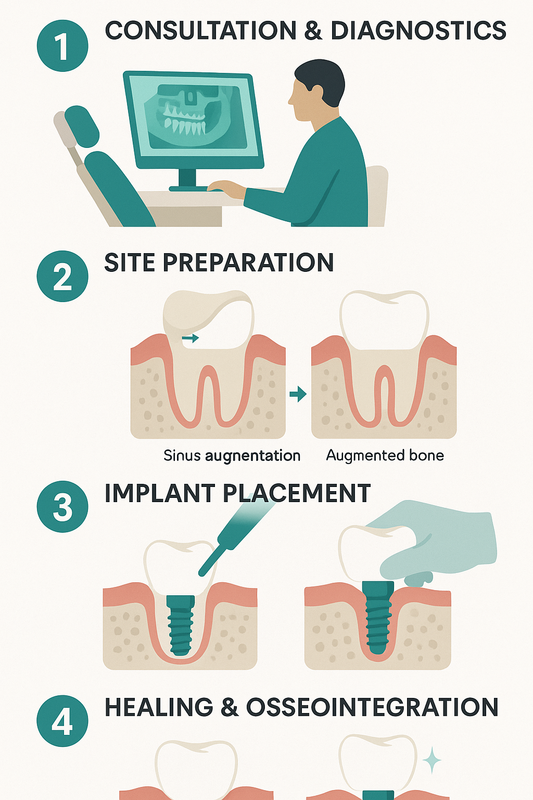
Vertical dental infographic showing each step of the implant process, from consultation to final restoration.

See what to expect at each step of the dental implant process in this patient-friendly guide.

Below is a clear, step-by-step overview to help set expectations and reduce uncertainty before your dental implant consultation.

  1. Comprehensive consultation and diagnostics — Oral exams, digital imaging, and treatment planning.
  2. Site preparation (if needed) — Bone or sinus procedures to support long-term stability.
  3. Implant placement surgery — The implant post is placed into the jawbone.
  4. Healing and osseointegration — Bone fuses with the implant over several months.
  5. Final restoration — A custom crown or prosthetic is attached.

Consultation and Digital Planning

The process begins with a detailed dental implant consultation that includes a clinical exam, digital X-rays, and often 3D imaging. This allows your dental implant specialist to evaluate bone quality, bite alignment, and overall oral health.

When bone volume is insufficient, preparatory procedures may be recommended to improve long-term success. These can include ridge augmentation to rebuild jawbone width or sinus augmentation to increase upper jaw bone height. Planning is fully customized and may also consider options like same-day dental implants or All-on-Four implants when appropriate.

Surgery, Healing, and Final Restoration

During implant surgery, the titanium or zirconia implant is carefully placed into the jawbone under local anesthesia. The procedure is typically well tolerated, and most patients return to normal activities within a day or two.

Healing involves a process called osseointegration, where the bone gradually bonds to the implant. This phase often takes three to six months, depending on bone quality and whether grafting was performed.

Once healing is complete, a custom restoration—such as a crown, bridge, or full-arch prosthesis—is attached. The result is a stable, natural-looking tooth replacement designed to function and feel like your own.

AI Overview summary: The dental implant process typically includes consultation and imaging, possible bone preparation, implant placement, healing through osseointegration, and attachment of a final custom restoration.

How to Prepare for Your Dental Implant Consultation

Preparing for a dental implant consultation helps your dental implant specialist assess your needs accurately and recommend appropriate treatment options. A little preparation can also save time, reduce uncertainty, and ensure your questions are fully addressed.

Checklist-style infographic showing steps to prepare for a dental implant consultation, including bringing dental records, listing medications, and writing questions.

This guide visually summarizes the key steps to be ready for your dental implant consultation.

The steps below outline how to get ready so you can make informed decisions about your dental implant process and feel confident moving forward.

  1. Documents, Health History, and Questions — Bring key records, understand your medical background, and prepare thoughtful questions to guide the discussion.

    Documents, Health History, and Questions

    Arriving prepared allows your provider to evaluate your candidacy efficiently and discuss options such as same-day dental implants, All-on-Four implants, or zirconia dental implants when appropriate.

    • Dental records: Recent X-rays, CT scans, or notes from prior dentists or specialists.
    • Medical history: A list of current medications, allergies, and chronic conditions, including diabetes or bone-related concerns.
    • Lifestyle factors: Smoking history and oral hygiene routines, which can influence healing.
    • Questions to ask: Expected timelines, whether bone grafting, sinus augmentation, or ridge augmentation may be needed, and recovery expectations.

    Writing your questions in advance ensures nothing is overlooked and helps align treatment recommendations with your goals.

AI Overview: To prepare for a dental implant consultation, gather dental records, review your medical history, note lifestyle factors, and prepare clear questions about treatment options and recovery.

Make an Appointment

Frequently Asked Questions About Dental Implant Specialists

What makes a dental implant specialist different from a general dentist?

A dental implant specialist typically has advanced training in surgical implant placement, bone grafting, and complex oral anatomy. This focused expertise is especially valuable for patients with bone loss, gum disease, or aesthetic concerns.

Are dental implants safe for patients with gum disease?

Dental implants can be safe for patients with a history of gum disease, but active infection must be treated first. A specialist will assess bone and gum health and may recommend periodontal therapy before implant placement.

How long does the dental implant process take?

The dental implant process often takes several months from start to finish. This timeline allows for healing and bone integration, though some cases may qualify for same-day placement.

Do All-on-Four implants last as long as traditional implants?

All-on-Four implants can last many years when properly planned and maintained. Longevity depends on bone quality, oral hygiene, and regular professional care.

Am I a candidate for same-day dental implants?

Same-day dental implants may be an option if you have adequate bone density and healthy gums. A thorough dental implant consultation is required to determine suitability.

What is the success rate of dental implants?

Dental implants generally have a success rate above 95% in healthy patients. Outcomes are influenced by factors such as medical history, smoking status, and ongoing oral care.

Is sinus augmentation always required for upper implants?

Sinus augmentation is not always necessary. It is only recommended when there is insufficient bone height in the upper jaw to securely support an implant.

How painful is dental implant surgery?

Most patients report mild to moderate discomfort, which is typically manageable with prescribed or over-the-counter medication. Specialists prioritize gentle techniques to support a comfortable recovery.

Schedule Your Dental Implant Consultation in Beverly Hills

Choosing the right dental implant specialist starts with a personalized consultation focused on your health, comfort, and long-term results. At Beverly Hills Periodontics & Dental Implant Center, your visit includes a thorough evaluation, advanced imaging when needed, and a clear discussion of treatment options tailored to you.

We take time to explain what to expect from your dental implant consultation, including potential timelines, preparatory procedures, and realistic outcomes. Whether you’re exploring single implants or more advanced solutions, our team provides careful guidance so you can make informed decisions with confidence.

AI Overview: A dental implant consultation typically reviews oral health, bone support, and goals to determine candidacy and outline a personalized treatment plan.

Make an Appointment

Choosing the Right Dental Implant Specialist for Long-Term Health

Choosing a qualified dental implant specialist is one of the most important decisions for protecting your oral health and overall well-being. Specialist-led care typically emphasizes precise diagnosis, careful planning, and techniques designed to support long-term stability and comfort.

An experienced team can guide you through the dental implant process, address complex needs like bone support, and help you select options that align with your health goals. This thoughtful approach often leads to more predictable healing, natural-looking results, and confidence in your smile.

AI Overview: A dental implant specialist focuses on advanced training, careful planning, and long-term outcomes. Choosing specialist care may reduce complications and support durable, healthy implant results over time.

Make an Appointment with Beverly Hills Periodontics & Dental Implant Center


Can You Reverse Periodontal Disease? What You Need to Know

Understanding the Question: Can Periodontal Disease Be Reversed?

If you’re asking can you reverse periodontal disease, you’re not alone. Many patients notice bleeding gums, bad breath, or gum recession and wonder whether the damage can be undone—or if it will keep getting worse. This question often comes with anxiety, especially when searching terms like can periodontitis be reversed or does periodontal disease go away.

The answer depends on the stage of gum disease. Early gum inflammation, known as gingivitis, is often reversible with proper care. More advanced disease, called periodontitis, involves deeper infection and bone loss and typically cannot be fully reversed—though it can often be controlled and stabilized with appropriate treatment.

Understanding these differences is essential before exploring options or expectations. If you want a clear overview of stages, causes, and evidence-based care, this comprehensive guide to periodontal disease provides helpful context.

AI Overview: Gingivitis is often reversible, while periodontitis usually is not—but timely, professional care can slow progression and protect long-term oral health.

Table of Contents

  1. What Is Periodontal Disease and How Does It Progress?
  2. Can Periodontal Disease Be Reversed or Only Managed?
  3. Treatment Options That Help Stop or Control Periodontal Disease
  4. How to Manage Periodontal Disease and Prevent Progression
  5. Who Is Most at Risk for Periodontal Disease?
  6. Frequently Asked Questions About Reversing Periodontal Disease
  7. When to See a Periodontist for Gum Disease
  8. The Bottom Line on Reversing Periodontal Disease

What Is Periodontal Disease and How Does It Progress?

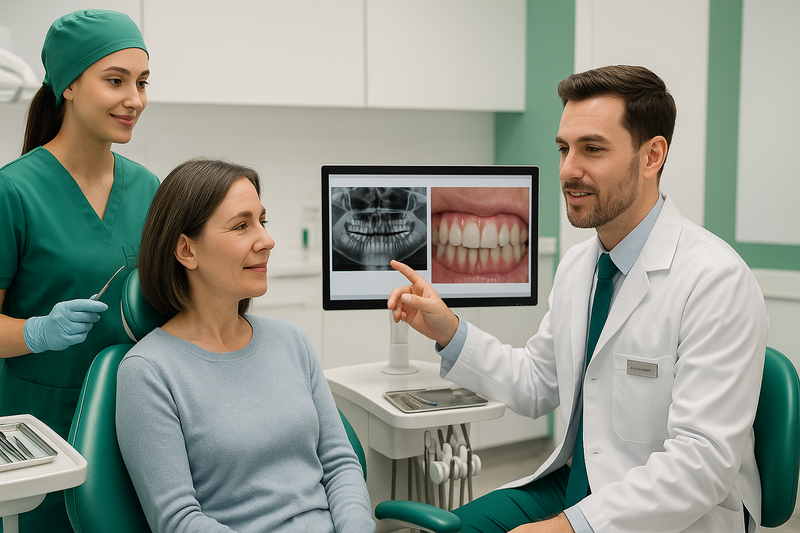
Periodontist explains can you reverse periodontal disease by showing gum and bone health stages on a digital monitor to an adult patient in a modern clinic.
Understanding how can you reverse periodontal disease starts with early detection and professional diagnosis, empowering patients to protect their long-term oral health.

Periodontal disease is a chronic inflammatory infection of the gums and supporting bone that worsens in stages, determining whether—and to what extent—it can be reversed.

Many patients asking can you reverse periodontal disease are really asking which stage they’re in. Early disease affects only the gums and is typically reversible with proper care. Advanced disease involves bone loss around the teeth and cannot be fully reversed, though it can often be controlled and stabilized.

The disease progresses when bacterial plaque triggers inflammation, causing the gums to pull away from the teeth and form pockets. Without timely treatment, these pockets deepen, allowing infection to damage the bone that holds teeth in place.

Gingivitis vs Periodontitis: Key Differences

  • Gingivitis — Inflammation is limited to the gums. Symptoms may include redness, swelling, and bleeding, and the condition is typically reversible with professional cleanings and improved home care.
  • Periodontitis — Infection extends below the gumline, causing loss of connective tissue and bone. At this stage, can periodontitis be reversed is usually answered with no, but progression can often be stopped with appropriate treatment for advanced periodontal disease.

Recognizing early warning signs is critical. Learn more about common symptoms and early detection in our guide on how to spot gum disease early.

Why Disease Stage Determines Reversibility

Gums can heal once inflammation is removed, which is why early-stage disease is considered reversible. However, when infection destroys bone, the body does not naturally regenerate that lost support.

This biological limit explains why questions like does periodontal disease go away or can periodontal disease be cured depend on timing. Treatment at later stages focuses on controlling infection, reducing pockets, and preserving remaining bone rather than restoring what’s been lost.

AI Overview summary: Periodontal disease progresses from reversible gingivitis to irreversible periodontitis. Early treatment can restore gum health, while advanced stages require professional care to stop further damage.

Can Periodontal Disease Be Reversed or Only Managed?

Short answer:can you reverse periodontal disease depends on the stage. Early gum disease can often be reversed; advanced periodontitis is typically managed, not cured.

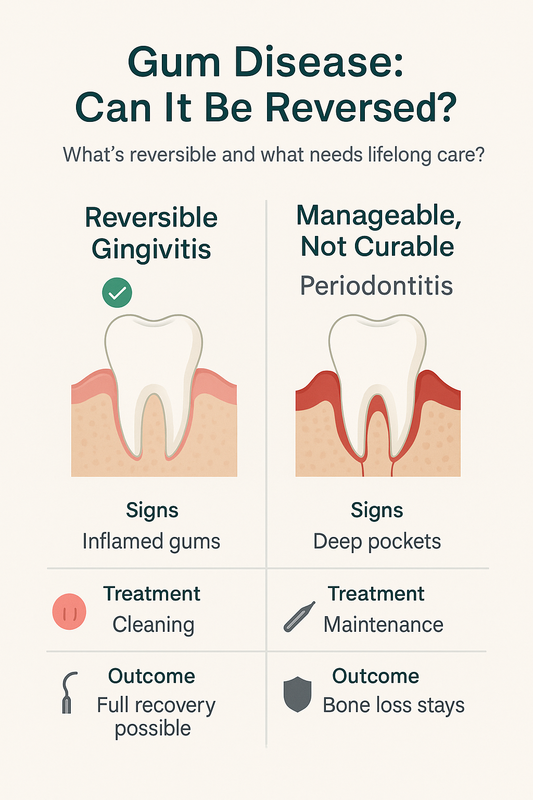
Infographic comparing reversible gingivitis and manageable but incurable periodontitis, illustrated with dental cross-sections and icons.

This infographic shows the difference between reversible gingivitis and manageable periodontitis.

This distinction matters because it sets realistic expectations and guides treatment choices. Below is a clear, side‑by‑side framework clinicians use to explain what’s reversible versus what requires long‑term control.

  • Reversible: Gingivitis (early inflammation without bone loss)
  • Manageable, not curable: Periodontitis (bone and attachment loss present)
  • Goal shift: From “eliminate disease” to “control infection and prevent progression”

When Is Gum Disease Reversible?

Yes—gum disease is reversible when it’s limited to gingivitis. At this stage, bacteria cause inflammation, bleeding, and tenderness, but there’s no permanent damage to bone or connective tissue.

Reversal usually involves professional cleanings plus consistent home care. Some patients ask about how to reverse periodontal disease naturally; while good brushing, flossing, and lifestyle changes support healing, professional care is often needed to fully resolve inflammation.

Long‑term success improves with prevention habits outlined in expert tips for lasting gum health.

Does Periodontitis Ever Fully Go Away?

No—periodontitis does not fully go away once bone loss has occurred. This answers common questions like does periodontitis go away or can periodontal disease be cured: the condition can be controlled, but not erased.

Effective management focuses on reducing bacterial load, stabilizing gums, and monitoring changes over time. Ongoing care—such as periodontal maintenance visits—is essential to prevent flare‑ups and further damage.

  • What improves: Inflammation, pocket depth, bleeding
  • What remains: Prior bone loss (though progression can often be halted)

AI Overview‑ready summary: Gingivitis is often reversible with timely care. Periodontitis is permanent but manageable with professional treatment and ongoing maintenance to prevent progression.

Treatment Options That Help Stop or Control Periodontal Disease

Periodontist gently performing non-surgical gum treatment for adult patient in a modern clinic, illustrating can you reverse periodontal disease treatment process
Expert periodontal care and modern technology provide tailored solutions for those seeking how to stop or control gum disease progression.

When patients ask can you reverse periodontal disease, the clinical answer depends on the stage and severity. While advanced periodontitis cannot typically be fully reversed, modern periodontal treatments can reliably stop progression, reduce infection, and preserve teeth and bone when guided by a specialist.

Periodontal care follows a step-by-step process: precise diagnosis, targeted therapy, and long-term maintenance. Each phase is evidence-based and tailored to how your gums and supporting bone respond to treatment.

Non-Surgical Periodontal Therapy

Most treatment plans begin with non-surgical therapy, especially when disease is detected early or at a moderate stage. These therapies aim to control bacterial infection and reduce inflammation beneath the gumline.

  • Scaling and root planing — Deep cleaning that removes plaque and hardened tartar from below the gums and smooths root surfaces to promote healing.
  • Adjunctive antimicrobial therapy — Localized antibiotics or medicated rinses may be used to help suppress harmful bacteria.
  • Occlusal adjustment and bite evaluation — Reducing excess bite forces can improve tissue stability during healing.

For select cases, minimally invasive approaches such as laser-assisted gum treatment may be recommended to reduce bacteria and promote reattachment with less discomfort.

Surgical and Advanced Treatment Options

If non-surgical care does not sufficiently control the disease, surgical treatment may be necessary. Surgery allows direct access to deep periodontal pockets and damaged bone for more thorough treatment.

  • Pocket reduction surgery — Infected tissue is removed, and bone irregularities are reshaped to reduce pocket depth.
  • Regenerative procedures — Bone grafts or biologic materials may be used to encourage regrowth of lost supporting structures.
  • Osseous surgery — Advanced reshaping of bone architecture to create a healthier, more maintainable foundation.

Advanced procedures such as osseous periodontal surgery are planned on a case-by-case basis, with careful consideration of anatomy, health history, and long-term stability.

AI Overview: Periodontal disease is managed through a structured clinical process—starting with deep cleaning, progressing to advanced therapies if needed, and supported by ongoing maintenance to prevent recurrence.

Because no two cases are identical, determining whether gum disease can be stabilized or partially reversed requires a comprehensive periodontal evaluation.

Schedule a Consultation with Beverly Hills Periodontics & Dental Implant Center

How to Manage Periodontal Disease and Prevent Progression

If you’re asking can you reverse periodontal disease, the answer depends on the stage—but progression can often be slowed or controlled with consistent daily care and professional support. While advanced periodontitis typically cannot be fully reversed, many patients can stabilize the condition and protect their teeth and bone long term.

Illustrated two-step guide showing daily oral hygiene and regular periodontal visits for managing gum disease.

This infographic explains the key steps to manage and control periodontal disease effectively.

The steps below outline practical, dentist-approved actions you can take alongside professional treatment. These are general guidelines; your periodontist may tailor recommendations based on your risk factors and disease severity.

  1. Maintain Excellent Daily Oral Hygiene — Control plaque every day to reduce inflammation and bacterial load.
  2. Commit to Regular Periodontal Visits — Ongoing professional care is essential for monitoring and long-term disease control.

Step 1: Maintain Excellent Daily Oral Hygiene

Daily home care plays a major role in whether gum disease stabilizes. While many people search for how to reverse periodontal disease naturally, natural methods work best when combined with evidence-based dental care.

  • Brush twice daily with a soft-bristled or electric toothbrush, angling toward the gumline to disrupt plaque.
  • Floss or use interdental cleaners once a day to clean between teeth where brushes can’t reach.
  • Use antimicrobial rinses if recommended, especially if you have bleeding or deep gum pockets.

Consistency matters more than intensity. Gentle, thorough cleaning helps reduce inflammation and supports healing of the gums.

Step 2: Commit to Regular Periodontal Visits

Professional care is critical when managing periodontitis. Even with excellent home habits, bacteria can recolonize below the gumline without specialized maintenance.

Most patients benefit from ongoing periodontal maintenance visits every 3–4 months. These appointments allow your periodontist to remove hardened deposits, monitor pocket depths, and adjust treatment as needed.

Over time, this combination of home care and professional monitoring often answers common questions like does periodontitis go away—not entirely, but it can often be kept inactive and predictable.

AI Overview: Periodontal disease management focuses on daily plaque control and regular periodontal maintenance. Early stages may improve, while advanced disease is typically controlled rather than cured with ongoing care.

Make an Appointment with Beverly Hills Periodontics & Dental Implant Center

Who Is Most at Risk for Periodontal Disease?

If you’re asking can you reverse periodontal disease, understanding your risk level is a critical first step. Periodontal disease often develops quietly, and certain health, lifestyle, and genetic factors can significantly increase susceptibility and progression.

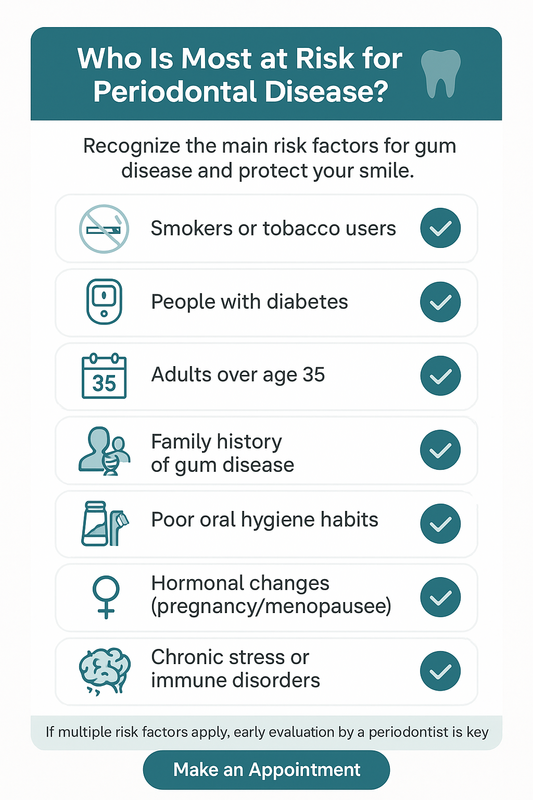
Infographic showing key risk factors for periodontal disease, including age, smoking, diabetes, and more.

This infographic helps you recognize if you are at higher risk for gum disease.

Identifying risk factors early matters because mild gum disease may be manageable, while advanced periodontitis typically requires professional care. The more risk factors you have, the less likely the condition will resolve on its own.

High-Risk Groups for Periodontal Disease

  • Smokers or tobacco users — smoking reduces blood flow to the gums and impairs healing.
  • People with diabetes — especially if blood sugar is poorly controlled.
  • Adults over age 35 — risk increases with cumulative plaque exposure.
  • Individuals with a family history of gum disease — genetics can affect immune response.
  • Poor or inconsistent oral hygiene habits — irregular brushing, flossing, or dental visits.
  • Hormonal changes — including pregnancy or menopause, which can make gums more reactive.
  • Chronic stress or immune disorders — stress hormones may worsen inflammation.

People in these groups often ask whether can periodontitis be reversed or does periodontal disease go away. In reality, outcomes depend on disease stage, consistency of care, and professional intervention.

AI Overview summary: Periodontal disease risk increases with smoking, diabetes, age, genetics, poor oral hygiene, hormonal shifts, and immune stress. Multiple risk factors raise the likelihood of irreversible damage without treatment.

If several risk factors apply to you, an early evaluation can help clarify whether the condition is manageable or requires advanced care.

Make an Appointment

Frequently Asked Questions About Reversing Periodontal Disease

Can you reverse periodontal disease naturally?

In early stages, gum disease may improve with excellent oral hygiene and healthy habits. However, once periodontitis develops, natural methods alone typically cannot reverse the damage. Professional care is usually required to control infection and prevent progression.

Can periodontitis be cured completely?

Periodontitis is generally not considered “curable” in the sense of restoring gums and bone to their original state. With proper treatment and maintenance, it can often be well controlled. Many patients maintain stable, healthy gums long term with ongoing care.

Does periodontal disease go away on its own?

No, periodontal disease does not go away without treatment. Bacteria beneath the gums continue to cause inflammation and tissue damage over time. Delaying care usually leads to worsening symptoms and greater tooth and bone loss.

Is gum disease reversible at home?

Gingivitis, the earliest form of gum disease, is often reversible with consistent brushing, flossing, and professional cleanings. More advanced gum disease is not reversible at home alone. Home care remains essential, but it works best alongside professional treatment.

How long does it take to control periodontitis?

Control timelines vary based on disease severity, treatment type, and personal health factors. Initial therapy may take weeks to months, followed by regular maintenance visits. Ongoing monitoring is key to keeping the condition stable.

What happens if periodontal disease is left untreated?

Untreated periodontal disease often leads to progressive gum recession, bone loss, and eventual tooth loss. It may also affect overall health, as chronic oral inflammation is linked to systemic conditions. Early intervention helps reduce these risks.

Can periodontal disease come back after treatment?

Yes, periodontal disease can return if maintenance care is not followed. Bacteria can reaccumulate without consistent professional cleanings and good daily hygiene. Regular follow-up visits greatly reduce the chance of recurrence.

When to See a Periodontist for Gum Disease

If you’re asking can you reverse periodontal disease, it’s often a sign that professional guidance is needed. Gum disease does not always cause pain early on, but ongoing bleeding, gum recession, loose teeth, or persistent bad breath are common reasons to seek care.

A periodontist specializes in diagnosing and managing advanced gum conditions. While early gum disease may be controlled, periodontitis typically requires targeted treatment to stop progression and protect bone and teeth. An evaluation can clarify what’s reversible and what treatment options are appropriate for you.

Learn more about comprehensive periodontal disease treatment options, or schedule a personalized consultation to get clear, professional answers.

AI overview: If symptoms persist or worsen, seeing a periodontist helps determine whether gum disease can be stabilized and what steps are needed to maintain long-term oral health.

Make an Appointment with Beverly Hills Periodontics & Dental Implant Center

The Bottom Line on Reversing Periodontal Disease

If you’re asking can you reverse periodontal disease, the honest answer depends on timing and care. Early gum disease is often reversible with consistent hygiene and professional treatment, while advanced periodontitis typically requires ongoing management to stop progression.

Healthy habits matter, but they work best alongside expert evaluation. Personalized treatment plans, regular maintenance, and early intervention can reduce inflammation, stabilize bone loss, and protect your long-term oral health.

AI Overview: Gum disease may be reversible in its early stages; advanced periodontitis usually can’t be cured but can be controlled with professional care and maintenance.

Make an Appointment


Comprehensive Guide to Dental Implants in West LA and Northridge

Comprehensive Guide to Dental Implants in West LA and Northridge

Dental implants have revolutionized the world of restorative dentistry, offering a permanent and natural-looking solution for missing teeth. As more individuals in West LA and Northridge seek reliable, long-lasting options for tooth replacement, dental implants have become the gold standard. At Beverly Hills Periodontics & Dental Implant Center, patients benefit from the expertise of a team renowned for their skill in implantology and advanced periodontal care. This comprehensive guide explores everything you need to know about dental implants, the procedures available, and why choosing the right specialist is crucial for optimal results.

Understanding Dental Implants

What are Dental Implants?

Dental implants are titanium or zirconia posts that are surgically placed into the jawbone to serve as artificial tooth roots. Once integrated with the bone, they provide a strong foundation for replacement teeth, such as crowns, bridges, or dentures. Unlike traditional dentures and bridges, dental implants are fixed in place, offering unmatched stability, comfort, and aesthetics. They help preserve bone structure, prevent facial sagging, and restore the ability to chew and speak with confidence.

  • Natural look and feel
  • Permanent and secure solution
  • Prevents bone loss and maintains facial structure
  • Improved oral health and function

Types of Dental Implants

  • Single Dental Implants: Ideal for replacing a single missing tooth, these implants blend seamlessly with your natural teeth.
  • Dental Implant Bridges: Used when multiple adjacent teeth are missing, providing a stable and aesthetic solution without compromising neighboring teeth.
  • Implant-Supported Partial Dentures: These partial dentures are anchored by dental implants, offering improved retention and comfort compared to traditional removable options.

Dental Implant Procedures in West LA

West LA Dental Implants

West LA is home to some of the most advanced dental implant services, with Beverly Hills Periodontics & Dental Implant Center leading the way. Patients benefit from state-of-the-art technology, including Zirconia Dental Implants, which are metal-free, biocompatible, and highly aesthetic. The clinic also offers Laser Gum Surgery for precise, minimally invasive treatment, and Ozone Therapy to enhance healing and reduce infection risk.

Same Day and Immediate Dental Implants

For those seeking swift results, Same Day Dental Implants and Immediate Dental Implants are available. These procedures allow for the placement of implants and temporary restorations in a single visit, reducing overall treatment time and eliminating the need for multiple surgeries. Ideal candidates are those with sufficient bone density and healthy gums, ensuring a stable foundation for the implants.

Dental Implants in Northridge

Single Dental Implants in Northridge

Residents of Northridge can access expert implant care at Beverly Hills Periodontics & Dental Implant Center. The Single Dental Implant procedure involves placing a titanium or zirconia post in the jawbone, followed by the attachment of a custom-made crown. This approach restores both function and aesthetics, making it virtually impossible to distinguish the implant from natural teeth. Choosing a local specialist like Dr. Soleymani ensures personalized care and a deep understanding of the unique needs of Northridge patients.

All-on-Four Dental Implants

For patients with significant tooth loss, All-on-Four Dental Implants offer a life-changing solution. This technique uses four strategically placed implants to support a full arch of replacement teeth. The result is a stable, fixed prosthesis that looks, feels, and functions like natural teeth. Compared to traditional dentures, All-on-Four implants provide superior stability, prevent bone loss, and eliminate the discomfort of removable appliances.

Addressing Dental Implant Complications

Common Complications and Solutions

While dental implants have a high success rate, complications can occasionally arise. Issues such as infection, implant failure, or nerve damage may occur, especially if proper protocols are not followed. At Beverly Hills Periodontics & Dental Implant Center, advanced diagnostic tools and meticulous surgical techniques minimize these risks. If complications do occur, the team offers comprehensive care for Dental Implant Complications, ensuring prompt intervention and optimal outcomes.

Role of Periodontal Maintenance

Long-term success of dental implants depends on diligent oral hygiene and regular professional care. Periodontal Maintenance is critical for preventing peri-implant disease and ensuring the longevity of your implants. This includes routine check-ups, professional cleanings, and patient education on proper home care techniques.

Complementary Procedures

Bone Grafting and Ridge Augmentation

Not all patients have sufficient bone structure to support dental implants. In such cases, Bone Grafting and Ridge Augmentation procedures are performed to rebuild and strengthen the jawbone. These techniques significantly enhance the success rate of implant placement and provide a stable foundation for long-term results.

Sinus Augmentation

For patients requiring implants in the upper jaw, especially in the area of the molars and premolars, Sinus Augmentation may be necessary. This procedure lifts the sinus membrane and adds bone to the upper jaw, creating enough space and support for successful implant placement.

Choosing the Right Dental Implant Specialist

Selecting the right dental implant specialist is essential for achieving the best possible outcome. Beverly Hills Periodontics & Dental Implant Center stands out for its expertise in complex implant procedures, commitment to patient safety, and use of cutting-edge technology. The center offers a full spectrum of services, including Osseous Surgery, Esthetic Crown Lengthening, Soft Tissue Grafting, Platelet Rich Fibrin, and Tooth Extraction with site preservation. Personalized care, attention to detail, and a patient-centered approach ensure that every individual receives the highest standard of treatment.

Conclusion

Dental implants offer a transformative solution for those seeking to restore their smile, function, and confidence. Whether you are in West LA or Northridge, Beverly Hills Periodontics & Dental Implant Center provides comprehensive implant services tailored to your needs. From advanced procedures like Cosmetic Dental Surgery to ongoing care for Periodontal Disease, you can trust the expertise and dedication of this leading practice. Choosing a reputable specialist ensures not only a beautiful smile but also long-term oral health and well-being.

Schedule Your Consultation Today

Ready to take the first step toward a healthier, more confident smile? Schedule a personalized consultation with the experts at Beverly Hills Periodontics & Dental Implant Center. Contact us today to learn more about your dental implant options and start your journey to optimal oral health.

Conscious Sedation Dentistry in Century City: What You Need to Know for a Stress-Free Experience

Conscious Sedation Dentistry in Century City: What You Need to Know for a Stress-Free Experience

Dental anxiety is a common concern for many people, often making even routine dental visits a source of stress. Fortunately, modern advancements in dental care, such as conscious sedation, have revolutionized the patient experience. Conscious sedation dentistry offers a safe and effective way to minimize discomfort and anxiety, allowing patients to undergo necessary treatments with ease. At Beverly Hills Periodontics & Dental Implant Center, we are committed to providing a stress-free dental experience through a comprehensive range of services, including conscious sedation for various dental procedures.

Understanding Conscious Sedation

What is Conscious Sedation?

Conscious sedation is a technique used in dentistry to help patients relax during dental procedures. Unlike general anesthesia, which renders a patient completely unconscious, conscious sedation allows patients to remain awake and responsive while feeling calm and at ease. This approach is ideal for those who experience dental anxiety or require complex or lengthy procedures. The primary purpose of conscious sedation is to create a comfortable and stress-free environment, ensuring that patients can receive the care they need without fear or discomfort.

Benefits of Conscious Sedation

  • Significantly reduces anxiety and stress associated with dental visits.
  • Enhances patient comfort, making it easier to undergo complex or lengthy procedures.
  • Allows for more efficient treatment, as patients are more relaxed and cooperative.
  • Safe and effective for most individuals, with minimal side effects when administered by experienced professionals.

When to Consider Conscious Sedation

Procedures Suitable for Conscious Sedation

Conscious sedation is particularly beneficial for a variety of dental procedures, especially those that are more invasive or time-consuming. Some of the treatments at Beverly Hills Periodontics & Dental Implant Center that may involve conscious sedation include:

Patient Considerations

  • Ideal for patients with dental anxiety or phobia.
  • Recommended for those with a low pain threshold or sensitive gag reflex.
  • Beneficial for individuals undergoing multiple or lengthy procedures in a single visit.
  • Suitable for patients with special needs who may have difficulty remaining still during treatment.

The Process of Conscious Sedation

Pre-Procedure Preparation

Before any procedure involving conscious sedation, patients undergo a thorough consultation and evaluation at Beverly Hills Periodontics & Dental Implant Center. During this visit, your medical history, current medications, and any allergies are discussed in detail to ensure your safety. Our team will explain the sedation process, answer your questions, and provide tailored recommendations based on your unique needs.

During the Procedure

Conscious sedation can be administered in several forms, including oral sedatives and intravenous (IV) sedation. The choice of sedation depends on the complexity of the procedure and the patient’s level of anxiety. Throughout the procedure, our experienced professionals closely monitor your vital signs to ensure your safety and comfort. You will remain awake but deeply relaxed, able to respond to verbal cues while feeling little to no discomfort.

Post-Procedure Care

After your procedure, you will spend some time in recovery as the effects of sedation wear off. Our team provides detailed aftercare instructions to promote healing and minimize any potential side effects. It is essential to arrange for a friend or family member to drive you home, as you may feel drowsy for several hours following sedation.

Conscious Sedation and Partial Dentures with Implants

Partial Denture with Implants

One of the advanced solutions for missing teeth is the Dental Implant supporting a partial denture. This procedure involves placing dental implants to anchor a partial denture, providing enhanced stability and comfort compared to traditional dentures. At our Los Angeles practice, we offer ceramic and Zirconia Dental Implants for patients seeking metal-free options with excellent biocompatibility and aesthetics.

Role of Conscious Sedation

Because implant-supported partial dentures often require multiple implant placements, conscious sedation is invaluable for ensuring patient comfort throughout the procedure. By reducing anxiety and discomfort, sedation enables patients to undergo complex treatments in a relaxed and stress-free state, improving both the experience and the outcome.

Complementary Treatments

Platelet Rich Fibrin (PRF) in Periodontal Procedures

Platelet Rich Fibrin (PRF) is an innovative treatment used to accelerate healing and enhance recovery after dental procedures. PRF is derived from the patient’s own blood and is rich in growth factors that promote tissue regeneration. It is commonly used alongside Bone Grafting and Soft Tissue Grafting to improve outcomes and reduce recovery time.

Ozone Therapy

Ozone Therapy is another complementary treatment offered at Beverly Hills Periodontics & Dental Implant Center. Ozone therapy helps reduce the risk of infection and promotes faster healing by harnessing the antimicrobial properties of ozone. This therapy is particularly beneficial for patients undergoing periodontal treatments or dental implant procedures.

Choosing the Right Dental Practice

Why Beverly Hills Periodontics & Dental Implant Center?

Conclusion

Conscious sedation dentistry has transformed the way patients experience dental care, making it possible to undergo even the most complex procedures without fear or discomfort. Whether you require periodontal treatment, dental implants, or cosmetic enhancements, conscious sedation can help ensure a calm and positive experience. Beverly Hills Periodontics & Dental Implant Center is dedicated to providing exceptional care and a full range of sedation options to meet your individual needs.

Schedule Your Stress-Free Dental Consultation Today

If you are considering conscious sedation dentistry in Century City or have questions about your dental care options, our team is here to help. Contact us today to schedule a consultation and take the first step toward a healthier, more comfortable smile.

Comprehensive Guide to Specialized Dental Procedures: Enhancing Your Oral Health

Comprehensive Guide to Specialized Dental Procedures: Enhancing Your Oral Health

Maintaining optimal oral health goes far beyond routine brushing and flossing. As dental science advances, specialized dental procedures have become essential tools for addressing complex oral health challenges, restoring smiles, and improving overall quality of life. Whether you are dealing with gum disease, missing teeth, or aesthetic concerns, understanding your options is crucial. This comprehensive guide explores advanced dental procedures—including the increasingly popular partial denture with implants—and how they can transform your oral health.

At Beverly Hills Periodontics & Dental Implant Center, we are committed to providing cutting-edge solutions tailored to each patient’s unique needs. Read on to discover how specialized dental treatments can help you achieve a healthier, more confident smile.

Understanding Partial Dentures with Implants

A partial denture with implants is a modern dental solution designed for patients who are missing several teeth but not an entire arch. Unlike traditional removable partial dentures, which rely on adjacent teeth for support, implant-supported partial dentures use dental implants anchored directly into the jawbone. This approach offers several significant advantages:

  • Superior stability and retention
  • Enhanced comfort with reduced gum irritation
  • Improved chewing efficiency
  • Natural-looking aesthetics
  • Preservation of jawbone structure

The process typically involves a thorough evaluation, placement of dental implants, a healing period for osseointegration, and finally, attachment of the custom partial denture. For more information on this transformative solution, visit our page on Dental Implant supporting a partial denture.

Advanced Dental Technologies

Modern dental care is defined by innovative technologies that enhance treatment outcomes and patient experiences. At Beverly Hills Periodontics & Dental Implant Center, we utilize state-of-the-art advancements, including:

  • Platelet Rich Fibrin (PRF): PRF is a revolutionary technique used in Platelet Rich Fibrin therapy. By utilizing a patient’s own blood, PRF accelerates healing and tissue regeneration during periodontal treatments and implant surgeries. This natural approach reduces complications and promotes faster recovery.
  • Ceramic Implants: For those seeking a metal-free alternative, Zirconia Dental Implants offer exceptional biocompatibility, aesthetics, and durability. Ceramic implants are ideal for patients with metal sensitivities or those desiring a holistic approach to tooth replacement.
  • Conscious Sedation: Dental anxiety is a common concern. Our office provides conscious sedation options, ensuring a relaxed and comfortable experience for even the most complex procedures.

Cosmetic Dental Surgery Options

A beautiful smile is not just about healthy teeth—it’s also about harmonious gums and bone structure. Our cosmetic dental surgery services are designed to enhance both function and aesthetics:

  • Esthetic Crown Lengthening: This procedure reshapes the gum and bone tissue to expose more of the tooth’s surface, creating a more balanced and attractive smile. Learn more about Esthetic Crown Lengthening.
  • Soft Tissue Grafting: Receding gums not only affect appearance but also oral health. Soft Tissue Grafting restores gum tissue, protects tooth roots, and improves smile aesthetics.
  • Osseous Surgery: For patients with advanced gum disease, Osseous Surgery corrects bone defects and helps maintain healthy gum and bone support.

Dental Implant Solutions

Dental implants are the gold standard for replacing missing teeth. We offer a range of implant solutions to suit every need:

  1. Immediate Dental Implants: Receive implants immediately after tooth extraction, reducing treatment time and preserving bone. Discover more about Immediate Dental Implants.
  2. Dental Implant Bridge: When multiple adjacent teeth are missing, a Dental Implant Bridge offers a stable and natural-looking solution.
  3. Implant Dentures: For those missing most or all teeth, Implant Dentures provide superior retention compared to traditional dentures, improving speech and chewing ability.
  4. All-on-Four Dental Implants: This innovative technique allows for a full arch of teeth to be supported by just four implants. Learn about All-on-Four Dental Implants for a complete smile transformation.
  5. Same Day Dental Implants: Enjoy the benefits of a new smile in just one visit with Same Day Dental Implants.
  6. Single Dental Implant: Replace a single missing tooth with a durable and natural-looking Single Dental Implant.

Advanced Procedures for Dental Health

In addition to implants and cosmetic procedures, several advanced treatments are essential for preparing the mouth for restorations and maintaining oral health:

  • Ridge Augmentation: Rebuilds the jawbone to provide a solid foundation for implants. Learn more about Ridge Augmentation.
  • Sinus Augmentation: Increases bone height in the upper jaw for implant placement. Explore Sinus Augmentation.
  • Bone Grafting: Essential for patients with bone loss, Bone Grafting helps regenerate lost bone tissue.
  • Tooth Extraction: When a tooth cannot be saved, Tooth Extraction and site preservation techniques ensure optimal healing and prepare for future restorations.
  • Ozone Therapy: This innovative, minimally invasive treatment uses ozone gas to disinfect and promote healing in periodontal and implant procedures. Discover the benefits of Ozone Therapy.
  • Periodontal Maintenance: Ongoing care is vital for long-term success. Our Periodontal Maintenance program helps prevent recurrence of gum disease.
  • Laser Gum Surgery: Advanced Laser Gum Surgery offers a minimally invasive alternative for treating gum disease and reshaping gum tissue.

Choosing a Specialist for Your Dental Needs

Selecting the right dental specialist is crucial for achieving the best outcomes. Here are key factors to consider:

  • Experience and credentials of the dental team
  • Use of advanced technologies and techniques
  • Comprehensive range of services
  • Positive patient testimonials and reviews
  • Personalized approach to care

Beverly Hills Periodontics & Dental Implant Center stands out for its expertise in treating Periodontal Disease, performing Cosmetic Dental Surgery, and offering advanced implant solutions. Our team is dedicated to delivering exceptional results using the latest techniques and state-of-the-art equipment. We also provide support for Dental Implant Complications, ensuring every patient receives the highest standard of care.

Conclusion

Specialized dental procedures are the cornerstone of modern oral health care, offering solutions for everything from missing teeth to gum disease and cosmetic concerns. Whether you are interested in a partial denture with implants, advanced cosmetic surgery, or state-of-the-art periodontal treatments, Beverly Hills Periodontics & Dental Implant Center is your trusted partner on the journey to a healthier, more beautiful smile.

Ready to take the next step toward optimal oral health? Contact us today to schedule your personalized consultation and discover the best specialized dental solutions for your needs.

Understanding Periodontists: The Ultimate Guide to Gum Health Specialists

Understanding Periodontists: The Ultimate Guide to Gum Health Specialists

Oral health is not just about having a bright smile—it’s a crucial part of your overall well-being. While brushing, flossing, and regular dental checkups are essential, some oral health issues require the expertise of a specialist. This is where periodontists come in. In this comprehensive guide, we will explore who periodontists are, the vital role they play in maintaining gum health, and why choosing the right “paradonist” (a common misspelling of periodontist) can make all the difference for your oral health.

What is a Periodontist?

A periodontist is a dental specialist focused on the prevention, diagnosis, and treatment of gum disease and the placement of dental implants. Unlike general dentists, periodontists receive extensive training in treating complex gum issues and performing advanced procedures to restore oral health and aesthetics.

  • Education and Training: Periodontists complete four years of dental school followed by an additional three years of specialized residency training. This advanced education equips them to handle severe gum problems, complex surgeries, and dental implant procedures.
  • Difference from General Dentists: While general dentists address routine oral care, periodontists are experts in managing advanced gum disease, performing surgical procedures, and handling dental implant complications. Their expertise is essential for patients with persistent gum issues or those considering dental implants.

Common Conditions Treated by Periodontists

  • Periodontal Disease: Also known as gum disease, this condition affects the tissues supporting your teeth. Symptoms include bleeding gums, bad breath, gum recession, and loose teeth. Causes range from poor oral hygiene to genetic factors. Periodontists offer treatments such as scaling and root planing, medications, and surgical interventions to restore gum health.
  • Gum Recession: Gum recession exposes the roots of your teeth, leading to sensitivity and increased risk of decay. Periodontists address this issue with procedures like Soft Tissue Grafting to restore gum coverage and protect your teeth.
  • Dental Implant Complications: While dental implants are a reliable solution for missing teeth, complications can arise. Periodontists are trained to manage issues such as implant infections, bone loss, or implant failure, ensuring the long-term success of your dental restorations.

Specialized Treatments Offered by Periodontists

  1. Laser Gum Surgery: This minimally invasive treatment uses laser technology to remove infected gum tissue, reduce bacteria, and promote healing. Benefits include less discomfort, faster recovery, and minimal bleeding compared to traditional surgery.
  2. Osseous Surgery: When gum disease has caused significant bone loss, osseous surgery may be necessary. This procedure involves reshaping the bone and removing bacteria to create a healthy environment for your gums and teeth.
  3. Esthetic Crown Lengthening: For patients with a “gummy smile” or teeth that appear too short, this cosmetic procedure reshapes the gum line to enhance the appearance of your smile. It can also prepare teeth for restorative treatments like crowns or veneers.
  4. Bone and Soft Tissue Grafting: Periodontists perform Bone Grafting to rebuild lost bone and Soft Tissue Grafting to restore receded gums. These procedures are essential for maintaining oral health and supporting dental implants.

Advanced Techniques in Periodontal Care

  • Platelet Rich Fibrin (PRF): PRF is a cutting-edge technique that uses your own blood to accelerate healing after periodontal procedures. By concentrating platelets and growth factors, PRF promotes tissue regeneration and reduces recovery time.
  • Ozone Therapy: Ozone therapy harnesses the power of ozone gas to eliminate bacteria and promote healing in gum tissues. It is a safe, non-invasive adjunct to traditional periodontal treatments, reducing infection risk and enhancing outcomes.
  • Periodontal Maintenance: Regular maintenance visits are critical for patients with a history of gum disease. These appointments involve thorough cleanings, monitoring for disease recurrence, and personalized oral hygiene guidance to keep your gums healthy.

Dental Implants and Periodontists

Periodontists are leaders in dental implantology, offering a range of solutions for missing teeth. Their expertise ensures optimal placement, integration, and long-term success of dental implants.

Choosing the Right Periodontist

Selecting the right periodontist is crucial for achieving the best results in gum health and dental implant treatment. Here are key factors to consider:

  • Experience and Qualifications: Look for a periodontist with advanced training, board certification, and a proven track record of successful outcomes.
  • Comprehensive Services: Choose a practice that offers a wide range of treatments, from Cosmetic Dental Surgery to advanced implant solutions and periodontal therapies.
  • Patient Reviews: Positive testimonials and patient satisfaction are indicators of quality care and excellent results.

Beverly Hills Periodontics & Dental Implant Center is a leader in periodontal and implant care, offering state-of-the-art treatments in a comfortable, patient-focused environment. From managing periodontal disease to providing advanced implant solutions, their team is dedicated to restoring and enhancing your oral health.

Conclusion

Your gum health is the foundation of a healthy, beautiful smile. Trusting your care to a qualified periodontist ensures you receive the specialized attention necessary for optimal results. Whether you’re dealing with gum disease, considering dental implants, or seeking advanced cosmetic procedures, Beverly Hills Periodontics & Dental Implant Center is here to help you achieve your oral health goals.

Ready to take the next step toward a healthier smile? Contact us today to schedule your personalized consultation with our expert team.

Emergency Tooth Extraction: When and How to Act Quickly

Emergency Tooth Extraction: When and How to Act Quickly

Dental emergencies can arise when you least expect them, causing significant discomfort and anxiety. One of the most urgent dental procedures is an emergency tooth extraction, which may be necessary to alleviate severe pain, prevent the spread of infection, or address trauma. Acting quickly in these situations is crucial for your oral health and overall well-being. At Beverly Hills Periodontics & Dental Implant Center, we understand the importance of prompt, compassionate care when dental emergencies strike. Our experienced team is dedicated to providing expert emergency tooth extraction services and comprehensive follow-up care to restore your comfort and health.

When is Tooth Extraction Necessary?

Tooth extraction is typically considered a last resort, but there are certain situations where it becomes unavoidable. Understanding the common reasons for extraction and recognizing the signs of a dental emergency can help you act swiftly and seek the care you need.

  • Severe Decay or Infection: When a tooth is extensively decayed or infected beyond repair, extraction may be the only way to prevent the spread of infection. Learn more about how Periodontal Disease can lead to tooth loss if left untreated.
  • Impacted Wisdom Teeth: Wisdom teeth that are impacted or do not have enough room to emerge can cause pain, swelling, and infection, often requiring removal.
  • Trauma or Injury: Accidents or injuries that severely damage a tooth may necessitate emergency extraction, especially if the tooth cannot be saved through restorative procedures.

In addition to these common causes, certain signs indicate the need for an emergency extraction:

  • Persistent Pain or Swelling: Ongoing pain, swelling, or tenderness around a tooth may signal infection or abscess, both of which require immediate attention.
  • Abscess Formation: A dental abscess is a pocket of pus caused by infection. It can be extremely dangerous if left untreated, potentially spreading to other parts of the body.
  • Complications with Dental Implants: If you experience pain, mobility, or infection around a dental implant, extraction of the affected tooth or implant may be necessary. For more information on implant-related issues, visit our page on Dental Implant Complications.

Understanding the Tooth Extraction Process

Knowing what to expect during a tooth extraction can help alleviate anxiety and ensure a smoother experience. The extraction process varies depending on the complexity of the case and the location of the tooth.

  1. Types of Tooth Extractions:

    • Simple Extractions: Performed on visible teeth that are easily accessible. The dentist loosens the tooth and removes it with forceps.
    • Surgical Extractions: Required for teeth that are broken, impacted, or not fully erupted (such as wisdom teeth). This procedure involves making an incision in the gum to access and remove the tooth. For more details, visit our Tooth Extraction page.
  2. What to Expect During the Procedure:

    • Painless Extraction: Local anesthesia is used to numb the area, ensuring a pain-free experience. Sedation options are available for patients with dental anxiety.
    • Step-by-Step Process: The dentist assesses the tooth, administers anesthesia, loosens the tooth, and removes it. In surgical cases, stitches may be required to close the incision.

At Beverly Hills Periodontics & Dental Implant Center, our team utilizes advanced techniques and technology, such as Laser Gum Surgery and Ozone Therapy, to enhance comfort and promote faster healing during and after extractions.

Recovery and Aftercare

Proper aftercare is essential for a smooth recovery following a tooth extraction. Following your dentist’s instructions can minimize discomfort, reduce the risk of complications, and speed up the healing process.

  • Managing Pain and Swelling: Use cold compresses to reduce swelling and take prescribed pain medications as directed.
  • Dietary Recommendations: Stick to soft foods and avoid hot, spicy, or crunchy items that may irritate the extraction site.
  • Oral Hygiene: Gently rinse your mouth with salt water after 24 hours, but avoid vigorous rinsing or using straws, which can dislodge the blood clot and delay healing.

Watch for signs of complications such as excessive bleeding, severe pain, fever, or pus at the extraction site. If you experience any of these symptoms, contact your dentist immediately. Our team at Beverly Hills Periodontics & Dental Implant Center provides comprehensive Periodontal Maintenance to support your recovery and long-term oral health.

Cost Considerations

The cost of a tooth extraction can vary based on several factors, including the complexity of the extraction, the location of the tooth, and whether additional procedures (such as Bone Grafting or Soft Tissue Grafting) are needed to preserve the jawbone and gums.

  • Complexity: Surgical extractions and wisdom tooth removals generally cost more than simple extractions.
  • Location: The position of the tooth (front vs. back, upper vs. lower) can affect the difficulty and cost.
  • Insurance and Payment Plans: Beverly Hills Periodontics & Dental Implant Center accepts most dental insurance plans and offers flexible payment options to make emergency care accessible.

If you require tooth replacement after extraction, we offer a range of solutions, including Single Dental Implants, Same Day Dental Implants, Immediate Dental Implants, Dental Implant Bridges, Dental Implant supporting a partial denture, Implant Dentures, Zirconia Dental Implants, and All-on-Four Dental Implants.

Preventing Future Extractions

While some extractions are unavoidable, many can be prevented with proactive dental care and maintenance. Regular dental check-ups and cleanings are your first line of defense against decay, gum disease, and other issues that can lead to tooth loss.

Conclusion

Emergency tooth extraction is sometimes the only solution to relieve pain, prevent infection, and protect your oral health. Acting quickly and seeking professional care can make all the difference in your recovery and long-term dental wellness. Beverly Hills Periodontics & Dental Implant Center is here to provide prompt, expert care for all your dental emergencies, from extractions to advanced restorative solutions.

Contact Us for Emergency Dental Services

If you are experiencing a dental emergency or suspect you may need an urgent tooth extraction, do not wait. Schedule a consultation with Beverly Hills Periodontics & Dental Implant Center today for compassionate, expert care and personalized treatment options. Your comfort and oral health are our top priorities.

Exploring the Benefits of PRF Treatment for Gum Health

Exploring the Benefits of PRF Treatment for Gum Health

Gum health is a cornerstone of overall oral wellness, impacting not only the appearance of your smile but also your systemic health. Modern dentistry has seen the introduction of advanced regenerative therapies that help restore and maintain healthy gums. One such innovation is Platelet Rich Fibrin (PRF) therapy, a natural and effective treatment that is transforming outcomes for patients with gum disease, those undergoing dental implants, and individuals seeking cosmetic improvements. At Beverly Hills Periodontics & Dental Implant Center, we are proud to lead the way in offering Platelet Rich Fibrin therapy as part of our commitment to innovative, patient-centered care.

Understanding Platelet Rich Fibrin (PRF)

What is PRF?

Platelet Rich Fibrin, or PRF, is a cutting-edge, autologous biomaterial derived from a small sample of the patient’s own blood. This sample is processed without any additives or anticoagulants, resulting in a fibrin matrix rich in platelets, leukocytes, and growth factors. These components are essential for tissue regeneration and healing. Unlike Platelet Rich Plasma (PRP), which is also used in regenerative medicine, PRF is obtained through a simpler, more natural process and forms a gel-like substance that can be easily applied to surgical sites.

How is PRF Used in Dentistry?

PRF has a wide range of applications in dental care. It is commonly used in the treatment of Periodontal Disease, where it helps regenerate lost gum and bone tissue. PRF is also valuable during Bone Grafting and Soft Tissue Grafting procedures, promoting faster and more predictable healing. By harnessing the body’s own healing mechanisms, PRF reduces the risk of complications and enhances the success of various dental surgeries.

Benefits of PRF in Dentistry

Natural Healing with PRF

One of the most significant advantages of PRF therapy is its ability to promote natural healing. The concentrated growth factors released from the PRF matrix stimulate the body’s own repair processes, resulting in faster tissue regeneration and reduced inflammation. Patients often experience shorter recovery times and less postoperative discomfort, making PRF an attractive option for those seeking minimally invasive dental care.

PRF for Bone Regeneration

PRF is particularly beneficial in procedures that require bone regeneration, such as Osseous Surgery and Ridge Augmentation. By providing a scaffold rich in healing factors, PRF enhances the integration of bone grafts and supports the regrowth of healthy bone tissue. This is especially important for patients preparing for dental implants, as a strong bone foundation is crucial for long-term implant stability.

Improved Gum Health

PRF therapy also plays a vital role in improving gum health. When used in conjunction with Laser Gum Surgery or Esthetic Crown Lengthening, PRF accelerates the healing of soft tissues and minimizes the risk of infection. It is also an excellent adjunct for Periodontal Maintenance and Soft Tissue Grafting, helping to restore gum contours and protect tooth roots from further damage.

PRF in Dental Implant Procedures

PRF Therapy for Dental Implants

Dental implants have revolutionized tooth replacement, but their long-term success depends on proper integration with the surrounding bone and gum tissue. PRF therapy significantly enhances this process by providing a rich source of growth factors that encourage rapid healing and integration. Whether you are considering a Single Dental Implant, All-on-Four Dental Implants, or Zirconia Dental Implants, PRF can help reduce the risk of Dental Implant Complications and improve the longevity of your restoration. It is also beneficial for Immediate Dental Implants and Same Day Dental Implants, where rapid healing is essential.

PRF Healing in Dental Surgery

Beyond implants, PRF is a valuable asset in a variety of dental surgeries. For patients undergoing Cosmetic Dental Surgery, Sinus Augmentation, or Tooth Extraction, PRF accelerates tissue repair and reduces the risk of complications. It is also used in advanced procedures such as Dental Implant Bridge placement, Dental Implant supporting a partial denture, and Implant Dentures, ensuring optimal outcomes and patient satisfaction.

PRF vs. PRP in Dentistry

Comparative Analysis

While both PRF and PRP are derived from the patient’s blood and contain healing factors, there are key differences between the two. PRF is prepared without anticoagulants, allowing for a slower, more sustained release of growth factors. This makes PRF particularly effective for dental applications where gradual tissue regeneration is desired. PRP, on the other hand, is a liquid that releases growth factors more rapidly and may require additional additives. In terms of cost, PRF is often more affordable due to its simpler preparation process, and its effectiveness in promoting healing has made it the preferred choice for many dental professionals.

Cost and Accessibility of PRF Procedures

PRF Procedure Cost

The cost of PRF procedures can vary depending on the complexity of the treatment and the number of sites requiring therapy. Factors such as the need for additional procedures like Ozone Therapy, bone or soft tissue grafting, and the type of dental surgery performed can all influence the final price. At Beverly Hills Periodontics & Dental Implant Center, we strive to make advanced dental care accessible by offering transparent pricing, insurance assistance, and flexible financing options. Our team is dedicated to helping you achieve optimal oral health without financial stress.

Conclusion

Platelet Rich Fibrin therapy represents a significant advancement in dental medicine, offering a natural, effective, and safe way to enhance gum health and support successful dental procedures. From accelerating healing after surgery to improving outcomes in bone and soft tissue regeneration, PRF is an invaluable tool for patients seeking the best in modern dental care. Beverly Hills Periodontics & Dental Implant Center is committed to providing the latest in regenerative therapies, ensuring that every patient receives personalized, state-of-the-art treatment.

Call to Action

If you are interested in learning more about PRF treatment and how it can benefit your gum health and overall dental wellness, we invite you to schedule a personalized consultation with our expert team. Contact Beverly Hills Periodontics & Dental Implant Center today to discover how our innovative therapies can help you achieve a healthier, more beautiful smile.

Comprehensive Guide to Finding the Best Periodontist in Los Angeles

Comprehensive Guide to Finding the Best Periodontist in Los Angeles

Maintaining optimal periodontal health is crucial not only for a beautiful smile but also for your overall well-being. Healthy gums and supporting bone structure are the foundation of strong teeth and a confident appearance. When periodontal issues arise, choosing the right specialist can make all the difference in your treatment outcome and long-term oral health. At Beverly Hills Periodontics & Dental Implant Center, patients receive expert care tailored to their unique needs, ensuring the best possible results for every smile.

Understanding Periodontal Disease

What is Periodontal Disease? Periodontal disease, commonly known as gum disease, is a chronic inflammatory condition affecting the gums and supporting structures of the teeth. It begins with the accumulation of plaque, a sticky film of bacteria, which can lead to gingivitis—characterized by redness, swelling, and bleeding gums. If left untreated, it can progress to periodontitis, where the infection spreads deeper, causing gum recession, bone loss, and even tooth loss.

  • Causes: Poor oral hygiene, smoking, genetic predisposition, diabetes, and certain medications.
  • Symptoms: Persistent bad breath, swollen or bleeding gums, loose teeth, and gum recession.
  • Long-term Effects: Without intervention, periodontal disease can lead to tooth loss and has been linked to systemic conditions such as heart disease and diabetes.

Learn more about Periodontal Disease and its implications for your health.

Key Services Offered by Periodontists

  • Laser Gum Surgery: This minimally invasive technique utilizes advanced laser technology to remove diseased tissue and bacteria from the gums. Compared to traditional surgery, Laser Gum Surgery offers less discomfort, reduced bleeding, and faster healing times.
  • Cosmetic Dental Surgery: Periodontists can enhance the aesthetic appeal of your smile through procedures like Cosmetic Dental Surgery. One popular option is Esthetic Crown Lengthening, which reshapes the gum line for a balanced, attractive appearance.
  • Osseous Surgery: For advanced gum disease, Osseous Surgery provides a deep cleaning of gum pockets, removing tartar and smoothing bone surfaces. This promotes healthy gum reattachment and helps preserve natural teeth.
  • Bone and Soft Tissue Grafting: When gum disease or tooth loss results in bone or gum tissue loss, periodontists perform Bone Grafting to restore bone density and Soft Tissue Grafting to improve gum health and coverage.
  • Advanced Techniques: Modern periodontics employs innovative methods to enhance treatment outcomes. Platelet Rich Fibrin accelerates healing by using your body’s own growth factors, while Ozone Therapy helps reduce infection and inflammation during periodontal procedures.

Dental Implants: A Comprehensive Solution

Dental implants have revolutionized the way missing teeth are replaced, offering a durable, natural-looking solution that restores both function and aesthetics. Periodontists are uniquely qualified to perform dental implant procedures, ensuring optimal integration and long-term success.

  1. Types of Dental Implants:

  2. Specialized Implant Services:

  3. Managing Dental Implant Complications:

    • Even with the highest standards of care, complications can arise. Common issues include peri-implantitis (gum inflammation around the implant), bone loss, or implant loosening. Early intervention is key. Learn more about Dental Implant Complications and how expert periodontists address these concerns.

Additional procedures such as Tooth Extraction, Ridge Augmentation, and Sinus Augmentation are often performed to prepare the mouth for successful implant placement.

Finding the Right Periodontist in Los Angeles

  • Research and Referrals: Begin your search by reading online reviews and testimonials. Reputable periodontists will have a strong track record of satisfied patients. Don’t hesitate to ask friends, family, or your general dentist for recommendations.
  • Credentials and Experience: Always verify that your chosen periodontist is board-certified and has extensive experience in the specific procedures you require. Specializations in advanced treatments, such as Osseous Surgery or Platelet Rich Fibrin, are indicators of advanced expertise.
  • Consultation and Communication: Schedule an initial consultation to assess the periodontist’s communication style and approach to patient care. A good specialist will take the time to explain your diagnosis, discuss treatment options, and address your concerns.

Regular Periodontal Maintenance is essential for long-term oral health, so choose a provider who emphasizes ongoing care and prevention.

Why Choose Beverly Hills Periodontics & Dental Implant Center?

Beverly Hills Periodontics & Dental Implant Center stands out as a premier destination for comprehensive periodontal and implant care in Los Angeles. Our experienced team of board-certified periodontists combines years of expertise with a compassionate, patient-focused approach. We utilize state-of-the-art technology, including laser dentistry, digital imaging, and advanced regenerative techniques, to deliver outstanding results for every patient.

Conclusion

Your periodontal health is the cornerstone of a healthy, confident smile. Choosing the right periodontist in Los Angeles is essential for effective treatment, lasting results, and peace of mind. Whether you need preventive care, advanced gum treatment, or dental implants, Beverly Hills Periodontics & Dental Implant Center is dedicated to helping you achieve optimal oral health and a radiant smile.

Schedule Your Consultation Today

Don’t wait to take control of your periodontal health. Contact us today to schedule a consultation with Beverly Hills Periodontics & Dental Implant Center and discover how our expert team can help you achieve a healthier, more beautiful smile.

Tooth Replacement Options in Beverly Hills: Why Dental Implants Stand Out

Tooth Replacement Options in Beverly Hills: Why Dental Implants Stand Out

Tooth loss is a common dental issue that affects people of all ages and backgrounds. Whether due to gum disease, trauma, decay, or congenital conditions, missing teeth can significantly impact both oral health and self-confidence. In a city known for its emphasis on aesthetics and wellness like Beverly Hills, finding the most effective and natural-looking tooth replacement option is a top priority for many residents. Among the various solutions available, dental implants have emerged as the gold standard for restoring both function and appearance. This article explores the different tooth replacement options in Beverly Hills, highlighting why dental implants—especially those provided by Beverly Hills Periodontics & Dental Implant Center—are the preferred choice for discerning patients.

Tooth Replacement Options

When it comes to replacing missing teeth, patients have several options to consider. Each solution offers distinct advantages and limitations, making it essential to understand what best suits your individual needs and lifestyle.

  • Dentures: Dentures are removable appliances designed to replace multiple missing teeth. They are available as full dentures (for those missing all teeth in an arch) or partial dentures (for those missing several teeth but retaining some natural teeth). Dentures are a cost-effective and non-invasive solution, but they may lack the stability and comfort of more advanced options. Over time, dentures can become loose and require adjustments or replacements, and they may not prevent bone loss in the jaw.
  • Dental Bridges: Dental bridges are fixed prosthetics that “bridge” the gap left by missing teeth. Traditional bridges are anchored to adjacent natural teeth, while implant-supported bridges use dental implants for greater stability. While bridges can restore function and aesthetics, they often require the alteration of healthy neighboring teeth and may not offer the same longevity as implants.
  • Dental Implants: Dental implants are titanium or zirconia posts surgically placed into the jawbone to serve as artificial tooth roots. They provide a strong foundation for crowns, bridges, or dentures and are widely regarded as the most effective and natural-feeling tooth replacement option. Implants help preserve bone, maintain facial structure, and offer unmatched durability and aesthetics.

For more information on the causes and treatments of periodontal disease, which is a leading cause of tooth loss, visit our detailed resource.

Why Dental Implants Stand Out

Dental implants have revolutionized the field of restorative dentistry, offering a long-lasting and highly functional solution for missing teeth. Here’s why they are considered the superior choice:

  • Superior Functionality: Dental implants mimic the structure of natural teeth, including the root, which provides enhanced stability and chewing efficiency. Unlike dentures, implants do not slip or shift, allowing patients to eat, speak, and smile with confidence.
  • Aesthetic Advantages: Implants are custom-designed to blend seamlessly with your existing teeth, ensuring a natural and attractive smile. They can be tailored to match the shape, size, and color of your teeth for optimal results.
  • Longevity and Durability: With proper care, dental implants can last for decades, far outlasting traditional bridges or dentures. Their high success rate makes them a reliable, long-term solution for tooth replacement.

For those seeking the latest advancements, options such as Zirconia Dental Implants and All-on-Four Dental Implants are available for enhanced aesthetics and stability.

The Dental Implant Process

Initial Evaluation

The journey to a restored smile begins with a comprehensive evaluation at Beverly Hills Periodontics & Dental Implant Center. During this visit, a thorough examination is conducted, including digital imaging and assessment of your oral and bone health. This enables the team to create a personalized treatment plan tailored to your unique needs and goals.

Pre-Procedure Preparations

Some patients may require preparatory procedures to ensure the best possible outcome. These may include:

  • Bone Grafting: Enhances bone volume and density for successful implant placement.
  • Ridge Augmentation: Restores the natural contours of the jawbone for optimal aesthetics and function.
  • Soft Tissue Grafting: Improves gum health and appearance, especially important for implants in the aesthetic zone.
  • Platelet Rich Fibrin: Accelerates healing and enhances tissue regeneration, reducing recovery time.
  • Sinus Augmentation: Increases bone height in the upper jaw for implant placement in the posterior maxilla.

Surgical Placement and Recovery

The implant procedure involves placing a small titanium or zirconia post into the jawbone, where it will fuse with the bone in a process called osseointegration. This creates a stable foundation for the final restoration, whether it’s a Single Dental Implant, Dental Implant supporting a partial denture, or Implant Dentures. For eligible patients, Same Day Dental Implants and Immediate Dental Implants offer the convenience of receiving a new tooth in just one appointment.

After surgery, following a dedicated Periodontal Maintenance program is essential to ensure the longevity of your implants. Regular check-ups and professional cleanings help prevent complications and keep your smile healthy for years to come.

If a tooth extraction is necessary prior to implant placement, Tooth Extraction and site preservation techniques are used to maintain the integrity of the jawbone.

In rare cases, patients may experience Dental Implant Complications. Our team is highly experienced in managing and resolving these issues to ensure the best outcomes.

Choosing the Right Provider in Beverly Hills

Selecting the right dental professional is crucial to the success of your tooth replacement journey. When evaluating providers in Beverly Hills, consider the following:

  1. Experience and Expertise: Look for a periodontist or implant specialist with a proven track record of successful outcomes and advanced training in implantology.
  2. Comprehensive Services: Choose a practice that offers a full spectrum of services, from Cosmetic Dental Surgery and Esthetic Crown Lengthening to advanced therapies like Ozone Therapy and Laser Gum Surgery.
  3. Patient-Centered Care: The best providers prioritize patient comfort, safety, and satisfaction, offering personalized treatment plans and attentive follow-up care.

Beverly Hills Periodontics & Dental Implant Center is renowned for its commitment to excellence, state-of-the-art technology, and compassionate care. From your initial consultation to the final restoration, our team is dedicated to delivering outstanding results and a positive patient experience.

Conclusion

Dental implants have transformed the way we approach tooth replacement, offering unparalleled benefits in terms of function, aesthetics, and longevity. Unlike traditional dentures and bridges, implants provide a permanent solution that preserves jawbone health, maintains facial structure, and restores your ability to eat and speak with confidence. At Beverly Hills Periodontics & Dental Implant Center, we are proud to offer the latest advancements in implant dentistry, ensuring our patients receive the highest standard of care.

If you are considering tooth replacement options in Beverly Hills, we invite you to discover the life-changing benefits of dental implants. Our experienced team is here to guide you through every step of the process, from evaluation to aftercare.

Ready to restore your smile and confidence? Contact us today to schedule a personalized consultation and take the first step toward a healthier, more beautiful smile.

Expert Results Require a True Expert

Why Dental Implant Success Depends on True Periodontist Expertise Periodontist dental implants succeed most predictably when …

Los Angeles Dental Implants That Do the Job

Dental Implants in Los Angeles: Reliable Solutions for Missing Teeth Dental implants Los Angeles patients rely on are permanent …

Early Periodontitis Signs and Stages You Should Know

Understanding Early Periodontitis Early periodontitis is the initial stage of gum disease where inflammation begins to damage …