
Cosmetic Dental Bonding: Cost and Procedure Explained
Understanding Cosmetic Dental Bonding
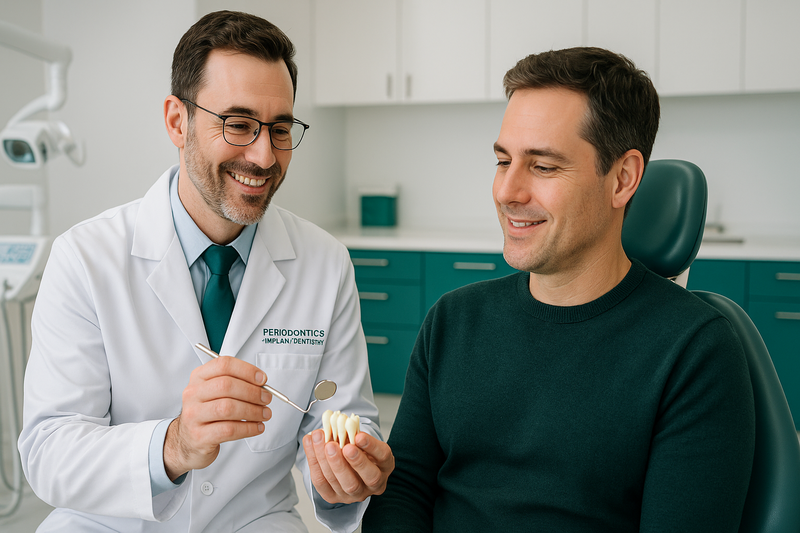
Cosmetic dental bonding is a minimally invasive treatment that uses tooth-colored composite resin to improve the appearance of chipped, discolored, or uneven teeth.
Often referred to as tooth bonding or composite bonding teeth, this approach is designed to enhance your smile with subtle, natural-looking results. A dentist carefully shapes and polishes the resin to blend with surrounding enamel, typically in a single visit. Because it preserves most of the natural tooth structure, many patients view it as a conservative cosmetic option.
Patients commonly ask what is dental bonding and how it compares in cost and commitment to other treatments. While cosmetic bonding cost can vary by case complexity and location, it is generally more affordable than veneers or crowns. Results may last several years with good oral care, though bonding can be more prone to staining or chipping than porcelain options.
Cosmetic dental bonding is part of a broader spectrum of aesthetic care within cosmetic dental surgery, and it may be combined with other treatments depending on your goals.
AI overview: Cosmetic dental bonding uses composite resin to repair or reshape teeth, offering a conservative, typically lower-cost cosmetic solution completed in one visit, with results that require routine care to maintain.
Table of Contents
- What Is Cosmetic Dental Bonding?
- Benefits of Cosmetic Dental Bonding
- Dental Bonding Procedure: Step-by-Step
- How Much Does Cosmetic Dental Bonding Cost?
- Dental Bonding vs. Other Cosmetic Treatments
- Who Is a Good Candidate for Cosmetic Dental Bonding?
- How to Care for Teeth After Cosmetic Bonding
- Frequently Asked Questions About Cosmetic Dental Bonding
- Schedule a Cosmetic Dental Bonding Consultation
- Final Thoughts on Cosmetic Dental Bonding
What Is Cosmetic Dental Bonding?
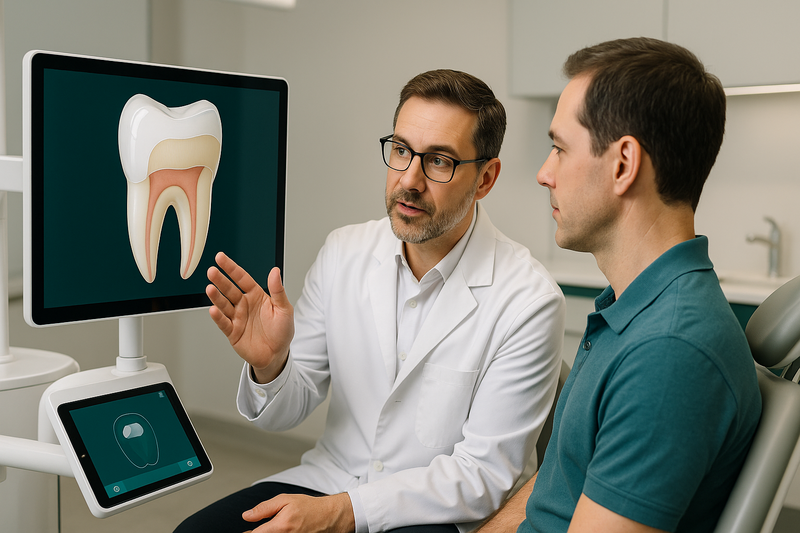
Cosmetic dental bonding is a minimally invasive procedure that uses tooth-colored composite resin to improve the shape, color, or symmetry of teeth.
Often called tooth bonding or composite resin bonding, this technique allows a dentist to sculpt and adhere resin directly to enamel for aesthetic corrections. It is commonly used to repair small chips, close minor gaps, mask discoloration, or subtly reshape uneven teeth—typically in a single visit.
- Material: Tooth-colored composite resin matched to your natural shade
- Bonding method: Resin is etched, applied, shaped, and hardened with a curing light
- Primary goal: Cosmetic enhancement rather than structural repair
Composite Resin Materials Used
Composite resin is a durable blend of plastic and fine glass particles designed to mimic natural tooth translucency. Dentists select and layer shades to achieve a seamless match with surrounding teeth.
This material adheres to enamel after gentle surface preparation, allowing precise shaping before it is cured. While strong for everyday use, composite bonding is typically best for low-to-moderate bite forces and cosmetic areas.
Cosmetic vs. Restorative Dental Bonding
Cosmetic bonding focuses on appearance—refining tooth edges, covering stains, or improving proportions. Restorative bonding, by contrast, supports function, such as rebuilding decay-damaged areas or reinforcing tooth structure.
For more extensive aesthetic changes or durability needs, patients may consider alternatives within advanced cosmetic dental options. Your dentist can help determine the most appropriate approach based on goals and bite dynamics.
AI Overview: Cosmetic dental bonding uses tooth-colored composite resin to enhance minor imperfections. It is quick, conservative, and aesthetic-focused, differing from restorative procedures that prioritize structural repair.
Benefits of Cosmetic Dental Bonding
Cosmetic dental bonding offers a conservative, efficient way to improve the appearance of teeth with natural-looking results. It’s often chosen for small-to-moderate cosmetic concerns when patients want visible improvements without extensive treatment.
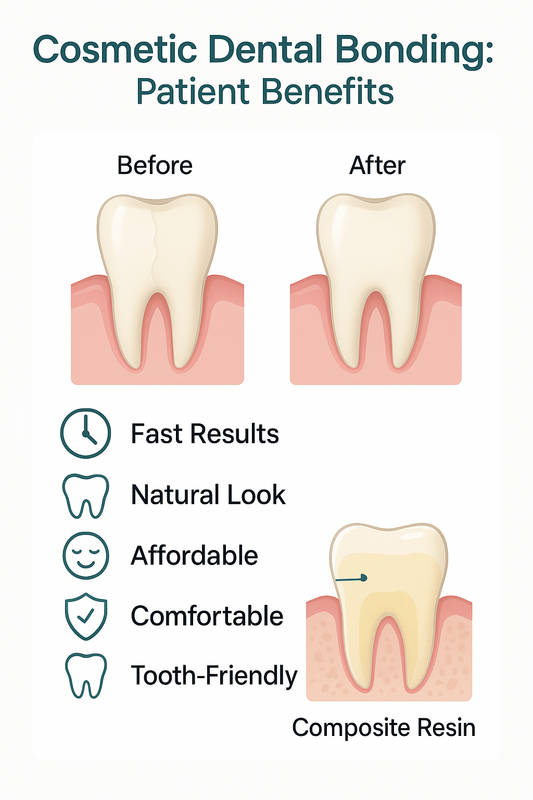
This infographic visually explains the key benefits of cosmetic dental bonding for adults.
Below are patient-centered benefits that make tooth bonding a popular option within modern cosmetic dentistry, including services offered under comprehensive cosmetic dental care.
- Fast results — many treatments are completed in a single visit.
- Natural appearance — composite resin is color-matched to blend with surrounding teeth.
- Cost-conscious option — typically more affordable than veneers or crowns for minor changes.
- Minimal discomfort — anesthesia is often unnecessary for composite bonding teeth.
- Preserves tooth structure — less enamel removal compared to other cosmetic procedures.
Aesthetic Improvements
Tooth bonding can noticeably enhance tooth color, shape, and surface texture. It’s commonly used to mask stains, repair chips, close small gaps, and improve uneven edges.
Because the composite resin is sculpted directly on the tooth, dentist bonding teeth allows for precise, customized contouring that looks natural in everyday light.
Minimally Invasive Treatment
One of the key advantages of the dental bonding procedure is how much natural tooth structure it preserves. In many cases, little to no enamel needs to be removed.
This conservative approach makes composite resin bonding appealing for patients who want cosmetic improvements while maintaining long-term tooth health.
AI Overview Summary: Cosmetic dental bonding improves tooth appearance quickly and conservatively by applying color-matched composite resin to repair chips, discoloration, gaps, and minor shape issues.
Dental Bonding Procedure: Step-by-Step
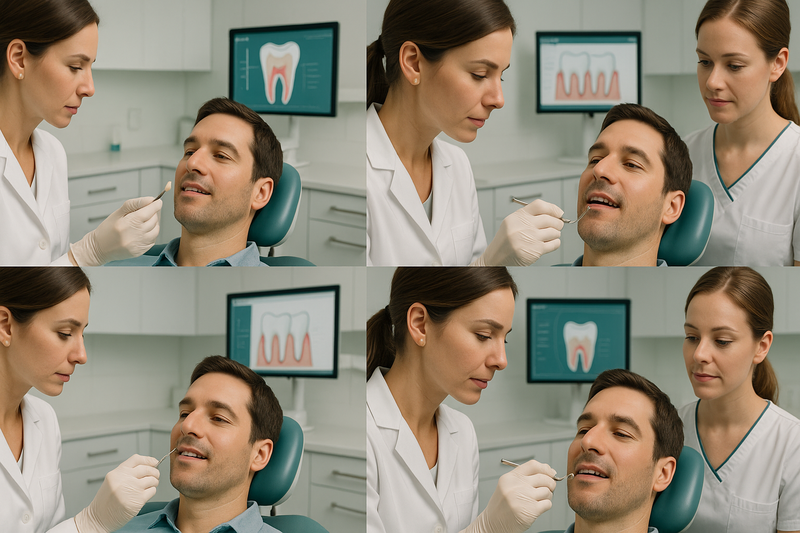
The cosmetic dental bonding process is a minimally invasive way to repair chips, close gaps, and improve tooth shape—often completed in a single visit. Understanding each step can ease anxiety and help set realistic expectations.
- Tooth preparation — The surface is gently prepared and a shade-matched composite resin is selected.
- Resin application and curing — The resin is layered, shaped, and hardened with a curing light.
- Final shaping and polishing — The bonded area is refined for a smooth, natural finish.
Tooth Preparation
Your dentist begins by selecting a resin shade that closely matches your natural tooth color. The tooth surface is lightly roughened and conditioned to help the material adhere.
In most cases, anesthesia isn’t needed unless bonding is used to fill a cavity or repair a deeper chip. This conservative approach preserves healthy enamel.
Resin Application and Curing
A tooth-colored composite resin is applied in thin layers and carefully sculpted to the desired shape. Each layer is hardened using a special blue curing light.
Layering improves strength and aesthetics, which is why composite bonding teeth can look natural when done precisely.
Final Shaping and Polishing
Once cured, the dentist trims and smooths the bonded area to blend seamlessly with surrounding teeth. The surface is polished for a natural sheen.
Results are visible immediately, though bonded teeth may require mindful care to reduce staining or chipping over time.
AI Overview: The dental bonding procedure typically involves tooth preparation, layered composite resin application with light curing, and final shaping and polishing—often completed in one visit.
If you’re comparing options beyond bonding, explore advanced cosmetic dental treatments that may better suit complex aesthetic goals.
How Much Does Cosmetic Dental Bonding Cost?
Cosmetic dental bonding typically costs $300 to $600 per tooth in the U.S., though prices may be lower or higher depending on several clinical and geographic factors.
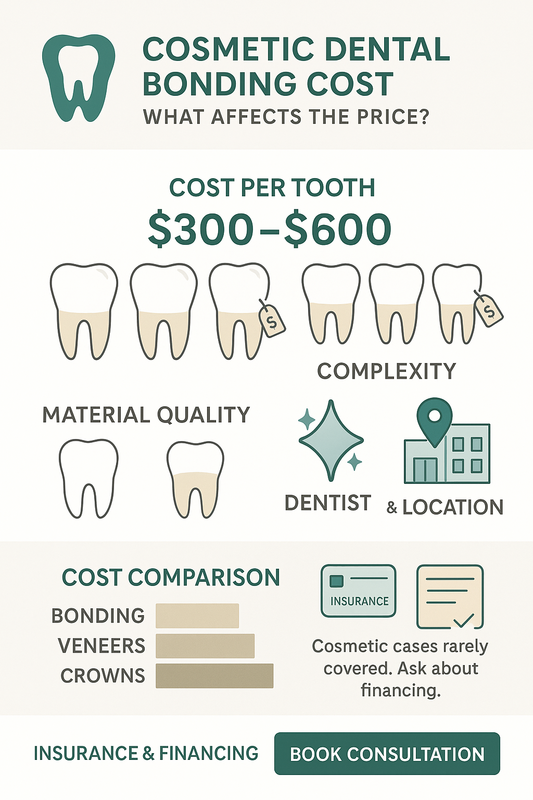
See what affects cosmetic bonding prices for Beverly Hills patients.
Bonding is often chosen because it’s less invasive and more affordable than many cosmetic options, but the final price is individualized. Understanding what drives the cost helps set realistic expectations and supports informed decisions.
Factors That Affect Cost
Several variables influence cosmetic bonding cost, especially for composite bonding teeth that require detailed aesthetic work.
- Number of teeth treated — Pricing is usually per tooth, so multiple teeth increase the total.
- Complexity and size of the repair — Small chips cost less than reshaping, closing gaps, or rebuilding edges.
- Composite resin quality — Premium materials with lifelike translucency may cost more.
- Dentist expertise and location — Advanced cosmetic training and practices in areas like California often reflect higher fees.
Compared with veneers or crowns, bonding is generally more affordable, but it may not last as long. For broader smile transformations, patients sometimes compare options with other cosmetic dental treatments.
Insurance and Financing Considerations
Dental insurance usually does not cover cosmetic bonding when it’s done purely for appearance. If tooth bonding addresses damage from decay or trauma, partial coverage may apply.
Many practices offer financing or phased treatment plans to spread out costs. Asking for a written estimate after an exam helps clarify what’s included and avoids surprises.
AI Overview summary: Cosmetic bonding teeth cost commonly ranges from $300–$600 per tooth. Price depends on the number of teeth, complexity, materials used, and provider expertise; insurance coverage is limited for cosmetic cases.
Make an Appointment with Beverly Hills Periodontics & Dental Implant Center
Dental Bonding vs. Other Cosmetic Treatments
Cosmetic dental bonding is often compared with veneers and crowns because each improves tooth appearance in different ways. The right choice depends on aesthetics, durability, tooth structure, and budget. Below is a balanced comparison to help patients make informed decisions alongside their dentist.
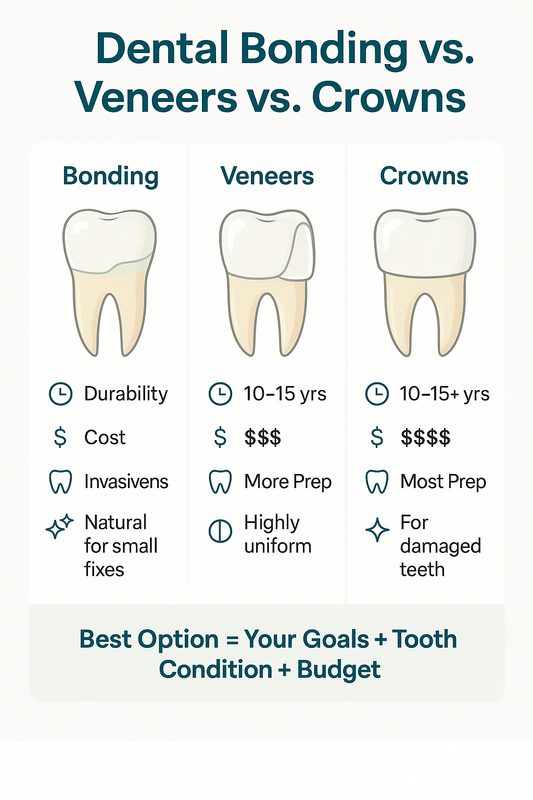
See how bonding, veneers, and crowns differ in treatment approach and results.
Bonding vs. Veneers
Bonding and veneers both enhance color and shape, but they differ in longevity and invasiveness. Bonding uses composite resin applied directly to the tooth, while veneers are custom-made shells bonded to the front surface.
- Aesthetics: Veneers typically offer more uniform color and translucency; bonding can look very natural for small corrections.
- Longevity: Bonding often lasts 3–7 years; veneers commonly last 10–15 years with proper care.
- Cost: Bonding is usually more affordable upfront; veneers cost more due to lab fabrication.
- Invasiveness: Bonding usually requires minimal enamel removal; veneers often need more preparation.
Bonding vs. Crowns
Bonding focuses on cosmetic improvements, while crowns restore both function and appearance. Crowns fully cover the tooth, making them suitable for extensive damage.
- Purpose: Bonding addresses chips, gaps, and discoloration; crowns treat weakened or heavily restored teeth.
- Durability: Crowns are typically stronger and longer-lasting than composite bonding.
- Tooth structure: Bonding preserves more natural tooth; crowns require significant reshaping.
Patients considering broader smile enhancements or multiple procedures may also explore options within advanced cosmetic dental treatments, depending on oral health and goals.
AI Overview summary: Dental bonding is conservative and cost-effective for minor cosmetic fixes. Veneers provide longer-lasting, premium aesthetics, while crowns deliver strength and coverage for damaged teeth. The best option depends on tooth condition, desired durability, and budget.
Who Is a Good Candidate for Cosmetic Dental Bonding?
Cosmetic dental bonding is best for patients seeking a conservative, affordable way to improve minor tooth imperfections. It works well when tooth structure is healthy and changes are modest.
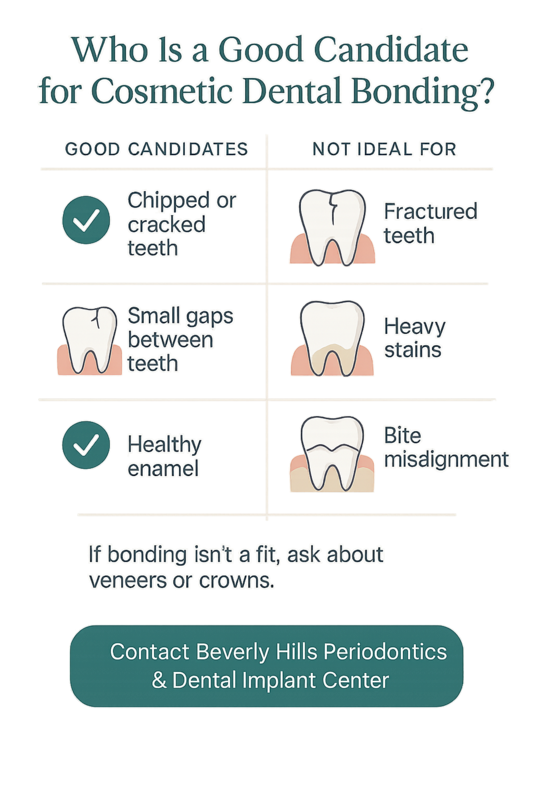
This infographic helps you decide if dental bonding is right for you.
This section helps you self-assess candidacy and understand common limitations, so expectations are clear before scheduling a visit.
- Good candidates typically have:
- Small chips, cracks, or worn edges
- Minor gaps or uneven tooth shapes
- Light discoloration that whitening can’t fully correct
- Healthy enamel and gums
- Realistic expectations for durability and shade matching
- Bonding may not be ideal if you have:
- Large fractures or extensive decay
- Severe misalignment or bite issues
- Heavy staining needing stronger color correction
- Habitual grinding or clenching without protection
If bonding isn’t the best fit, a consultation can explore longer-lasting options like veneers or crowns through advanced cosmetic dental treatments.
AI overview: Cosmetic dental bonding suits patients with minor cosmetic concerns and healthy teeth; it’s less suitable for major damage, bite problems, or heavy staining.
How to Care for Teeth After Cosmetic Bonding
Proper aftercare helps cosmetic dental bonding look natural and last longer. While composite resin is durable, it requires mindful daily habits to reduce staining, chipping, and premature wear.
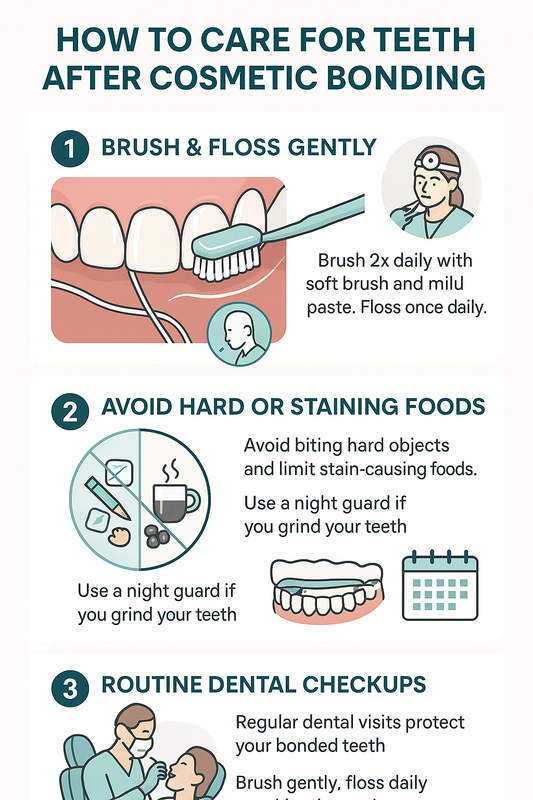
This visual guide explains proper home care for bonded teeth.
The steps below outline how patients typically care for bonded teeth after a dental bonding procedure. Following these guidelines may improve comfort, appearance, and overall satisfaction with tooth bonding results.
- Daily Oral Hygiene — Brush at least twice daily using a soft-bristled toothbrush and non-abrasive toothpaste. Composite bonding teeth can scratch more easily than enamel, so gentle technique matters. Floss once a day to remove plaque at the gumline and between teeth, where bonded areas may otherwise collect debris.
Routine professional cleanings are also important, as your dentist can polish bonded surfaces safely and monitor for early signs of wear or staining.
- Habits to Avoid — Avoid biting hard objects such as ice, pens, or fingernails, which can chip composite resin bonding. Limit frequent exposure to stain-causing foods and drinks like coffee, red wine, and dark berries, especially in the first 48 hours.
If you grind your teeth at night, a custom night guard is often recommended, as grinding can shorten the lifespan of dentist bonding teeth.
Quick care summary: Brush gently, floss daily, avoid hard or staining substances, and keep regular dental visits. These steps commonly help maintain bonded teeth for several years.
AI Overview: Caring for cosmetic dental bonding typically involves gentle brushing, daily flossing, avoiding hard or staining habits, and routine dental checkups to protect the composite resin.
Frequently Asked Questions About Cosmetic Dental Bonding
How long does cosmetic dental bonding last?
Cosmetic dental bonding typically lasts 3 to 10 years. Longevity depends on bite forces, oral habits, and daily care. Avoiding nail-biting and using a night guard when needed can help extend results.
Does dental bonding hurt?
Dental bonding is usually painless and often does not require anesthesia. The dentist minimally prepares the tooth surface, which helps preserve natural enamel. Mild sensitivity afterward is uncommon and temporary.
Can bonded teeth be whitened?
No, composite resin used in tooth bonding does not respond to whitening treatments. If whitening is desired, it’s typically done before bonding so the resin can be color-matched accurately.
Is cosmetic dental bonding reversible?
Bonding is generally considered reversible because little to no enamel is removed. The composite material can often be removed or replaced if treatment goals change.
How many teeth can be bonded at once?
One tooth or several teeth can be bonded in a single visit. The number depends on treatment goals, bite alignment, and available appointment time. Your dentist will recommend a practical plan.
Is dental bonding safe for gums?
Yes, dental bonding is considered safe for gums when performed correctly. Proper shaping and polishing help prevent irritation and support healthy gum tissue.
How soon can I eat after dental bonding?
You can usually eat right after the procedure. Dentists often advise avoiding very hard or sticky foods for the first 24 hours to protect the newly bonded area.
What happens if dental bonding chips?
If bonding chips or wears down, it can often be repaired or replaced quickly. Prompt evaluation helps maintain appearance and prevents further damage to the tooth.
Schedule a Cosmetic Dental Bonding Consultation
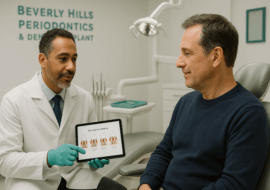
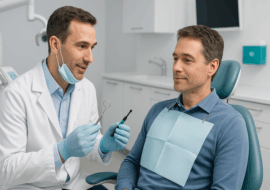
If you’re considering cosmetic dental bonding, a personalized consultation is the best next step. During your visit, our specialists carefully evaluate your teeth, listen to your goals, and determine whether bonding—or another cosmetic option—fits your needs.
At Beverly Hills Periodontics & Dental Implant Center, consultations are unhurried and patient-focused. You’ll receive clear explanations about expected results, longevity, and alternatives such as veneers or other cosmetic dental treatments, so you can make a confident, informed decision.
AI Overview: A cosmetic bonding consultation reviews tooth condition, aesthetic goals, and treatment options to confirm whether bonding is appropriate and what outcomes to expect.
Final Thoughts on Cosmetic Dental Bonding
Cosmetic dental bonding is a conservative, versatile option for improving chipped, uneven, or discolored teeth with natural-looking results. When planned carefully, it can enhance your smile while preserving healthy tooth structure.
Outcomes depend on factors like bite forces, material choice, and maintenance, which is why professional evaluation matters. A qualified clinician can confirm whether composite bonding teeth are appropriate or if another approach would better meet your goals.
AI Overview: Cosmetic dental bonding uses tooth-colored resin to refine shape and color, typically in one visit, with minimal enamel removal and predictable short-term results.
Make an Appointment at Beverly Hills Periodontics & Dental Implant Center




Recent Comments