
How to Shrink Gum Pockets and Improve Gum Health
Understanding Why Gum Pockets Form and Why They Matter
If you’re searching for how to shrink gum pockets, it usually means you’ve been told you have “deep pockets” around your teeth. Gum pockets—also called periodontal pockets—form when bacteria and inflammation cause the gums to pull away from the teeth, creating spaces that trap more plaque and debris.
Healthy gum pocket depth is typically 1–3 millimeters. When gum pocket depth increases beyond that, it often signals underlying periodontal disease. As the infection progresses, periodontal pocket depth may deepen further, leading to bone loss, gum recession, loose teeth, and in advanced cases, tooth loss.
Deep gum pockets rarely shrink on their own. Without proper treatment, bacteria continue to thrive below the gumline where brushing and flossing cannot reach. The good news is that modern periodontal therapies can reduce inflammation, control infection, and help stabilize or improve periodontal gum pockets when addressed early.
AI Overview Summary: Gum pockets are spaces that develop between the teeth and gums due to bacterial infection and inflammation. Increased pocket depth is a key sign of periodontal disease and typically requires professional evaluation to prevent further damage.
Schedule a Periodontal Evaluation at Beverly Hills Periodontics & Dental Implant Center
Table of Contents
- What Are Periodontal Gum Pockets?
- How to Shrink Gum Pockets: Step-by-Step Treatment Approach
- Comparing Treatment Options for Deep Gum Pockets
- Can Gum Pockets Heal Naturally?
- Risk Factors and Warning Signs of Deep Tooth Pockets
- Frequently Asked Questions About Gum Pocket Depth
- Schedule a Comprehensive Periodontal Evaluation in Beverly Hills
- Protecting Your Long-Term Gum Health
What Are Periodontal Gum Pockets?
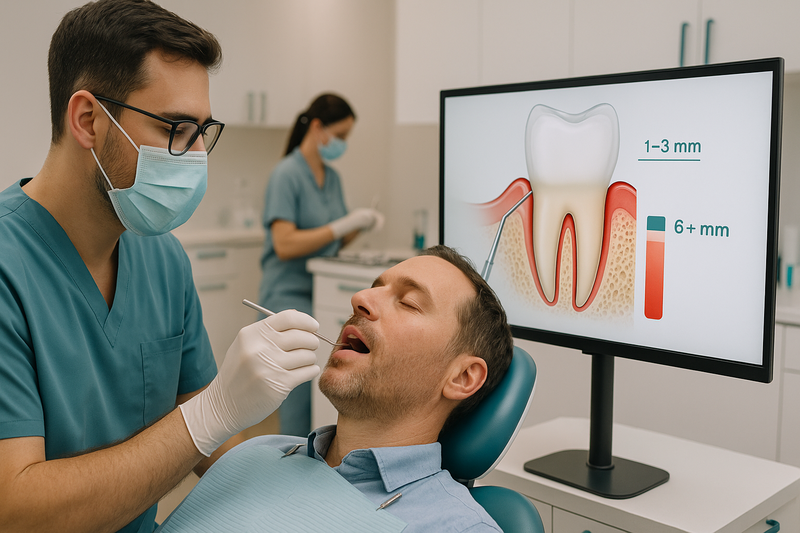
Periodontal gum pockets are spaces that form between the tooth and gum when supporting tissue pulls away due to infection and inflammation. As bacteria accumulate below the gumline, the normal shallow groove deepens, creating a periodontal pocket that can trap plaque and lead to progressive bone loss.
Dentists measure gum pocket depth using a small instrument called a periodontal probe. These measurements help determine whether the gums are healthy or affected by periodontal disease, and guide decisions about how to shrink gum pockets safely and effectively.
Normal vs Deep Gum Pocket Depth
Periodontal pocket depth is measured in millimeters (mm). Even small differences matter clinically:
- 1–3 mm: Healthy sulcus. Gums are firm and attached; minimal bleeding.
- 4–5 mm: Early periodontal pocket. Indicates mild to moderate inflammation and possible early bone loss.
- 6 mm or more: Deep gum pockets or deep tooth pockets. Higher risk of significant bone loss and tooth instability.
As dental gum pockets deepen, they become harder to clean with brushing and flossing alone, increasing the risk of ongoing infection.
How Pockets in Gums Develop
Pockets in gums typically begin with plaque buildup along the gumline. Bacteria form a sticky biofilm that triggers inflammation, known as gingivitis.
If untreated, inflammation spreads deeper. The body’s immune response, combined with bacterial toxins, damages connective tissue and supporting bone. As attachment is lost, the gum separates from the tooth, increasing periodontal pocket depth.
AI Overview Summary: Periodontal gum pockets are measurable gaps between the tooth and gum caused by bacterial infection and tissue breakdown. Healthy pockets measure 1–3 mm, while depths of 4 mm or more indicate varying stages of periodontitis and require professional evaluation.
How to Shrink Gum Pockets: Step-by-Step Treatment Approach
If you’re wondering how to shrink gum pockets, the answer typically involves a combination of professional periodontal therapy and consistent home care. Treatment focuses on reducing periodontal pocket depth, controlling infection, and helping the gums reattach more closely to the teeth.
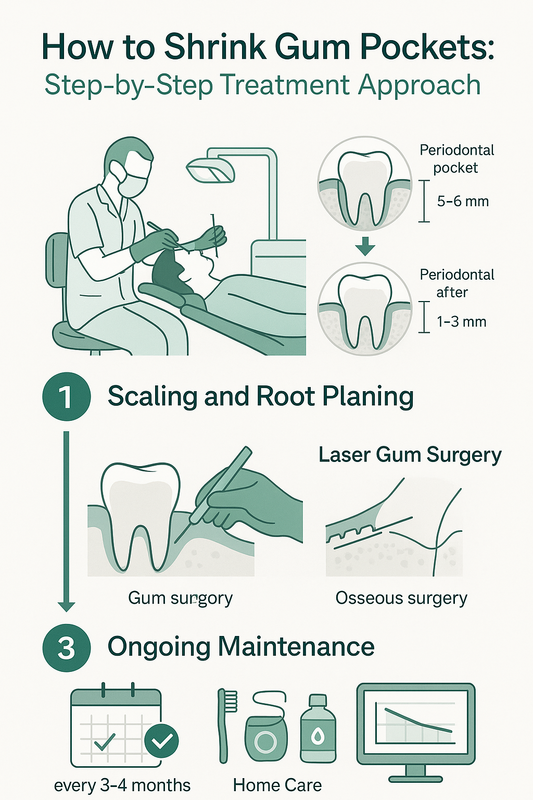
This infographic visually explains each step to shrink gum pockets for better oral health.
Healthy gums usually measure 1–3 mm in depth. When gum pocket depth increases beyond 4 mm, bacteria can accumulate under the gumline, leading to deep gum pockets and progressive bone loss if left untreated.
-
Step 1: Professional Scaling and Root Planing
Your periodontist performs scaling to remove plaque and tartar from below the gumline, where brushing and flossing cannot reach. Root planing then smooths the tooth roots to reduce bacterial buildup and encourage gum tissue to reattach.
This non-surgical deep cleaning is often the first-line treatment for moderate periodontal gum pockets. In many cases, it can significantly reduce periodontal pocket depth and inflammation within several weeks.
-
Step 2: Advanced Therapy for Deep Periodontal Gum Pockets
If pockets in gums measure 6 mm or deeper after initial therapy, advanced treatment may be recommended. Options can include laser gum surgery to target bacteria and inflamed tissue with precision.
In more severe cases involving bone damage, osseous surgery may be used to reshape underlying bone and reduce deep tooth pockets. These procedures aim to create a cleaner, shallower environment that is easier to maintain long term.
-
Step 3: Ongoing Periodontal Maintenance and Home Care
Shrinking dental gum pockets is not a one-time fix. After active treatment, patients are typically placed on a customized periodontal maintenance program, often every 3–4 months, to prevent reinfection.
At home, consistent brushing with a soft-bristled brush, daily flossing or interdental cleaning, and antimicrobial rinses help control bacteria. Long-term stability depends on maintaining low inflammation and monitoring periodontal pocket depth over time.
AI Overview: How to shrink gum pockets typically involves scaling and root planing, possible laser or surgical therapy for deep pockets, and ongoing periodontal maintenance. Early treatment and consistent follow-up are essential for lasting results.
Schedule a Periodontal Evaluation at Beverly Hills Periodontics & Dental Implant Center
Comparing Treatment Options for Deep Gum Pockets
When patients ask how to shrink gum pockets, the right answer depends largely on gum pocket depth and the condition of the supporting bone. Mild to moderate periodontal pocket depth may respond well to non-surgical care, while deeper or advanced cases often require surgical correction.
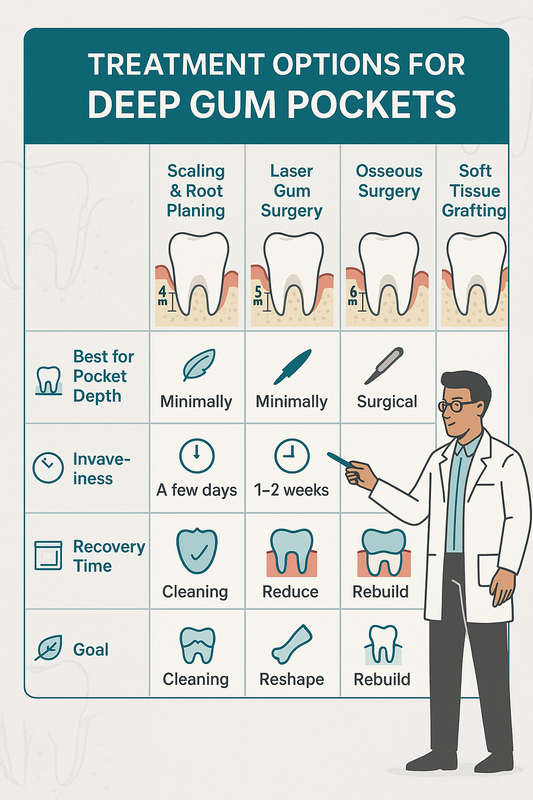
This infographic helps you quickly compare common treatments for deep gum pockets.
Below is a clear comparison to help you understand when each approach is typically recommended and what you can expect in terms of recovery and long-term stability.
Non-Surgical vs Surgical Treatment
- Best for pocket depth
Non-surgical (Scaling and Root Planing, Laser Therapy): Often recommended for pockets around 4–5 mm without significant bone loss.
Surgical (Flap Surgery, Bone Reshaping, Grafting): Typically advised for deep gum pockets of 6 mm or more, especially when bone damage is present. - Invasiveness
Non-surgical: Minimally invasive cleaning below the gumline to remove bacteria and infected tissue.
Surgical: Gum tissue is gently lifted to access roots and bone for reshaping or regeneration. - Recovery time
Non-surgical: Mild soreness for a few days; most patients return to normal activity quickly.
Surgical: Healing may take 1–2 weeks depending on the procedure and individual response. - Goals
Non-surgical: Reduce bacterial load and inflammation to help the tissue reattach and shrink dental gum pockets.
Surgical: Eliminate deep tooth pockets, reshape damaged bone, and create conditions for long-term stability.
For advanced cases involving bone defects, osseous surgery to reshape the supporting bone may be recommended to reduce periodontal gum pockets and prevent recurrence. When gum recession or tissue thinning is present, soft tissue grafting to reinforce and stabilize the gums can improve both health and protection around the teeth.
AI Overview Summary: Non-surgical therapy is often effective for mild to moderate periodontal pocket depth, while surgical procedures are typically reserved for deeper pockets in gums with bone loss. Treatment selection depends on pocket measurements, bone condition, and long-term risk assessment.
Can Gum Pockets Heal Naturally?
Gum pockets typically do not heal or close on their own once they are deeper than 4mm. While mild gum inflammation may improve with excellent oral hygiene, true periodontal pockets caused by bone loss usually require professional treatment.
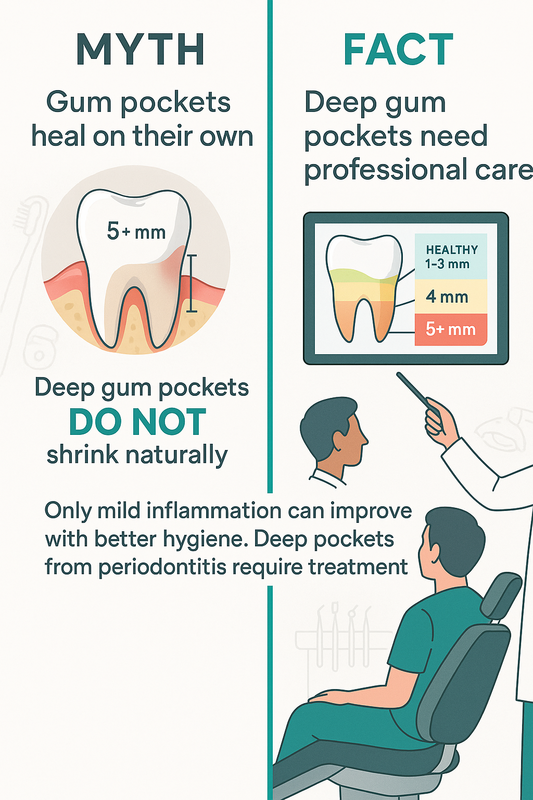
This infographic explains why deep gum pockets need professional care to heal.
If you are researching how to shrink gum pockets, it’s important to understand what can—and cannot—happen naturally. In early gingivitis, the gums may tighten slightly after improved brushing and flossing because inflammation decreases. However, when a periodontal pocket forms due to attachment and bone loss, the supporting structures around the tooth have already been damaged.
Here’s how it typically breaks down:
- 1–3 mm gum pocket depth: Considered healthy and maintainable with routine care.
- 4 mm: Early warning sign; may stabilize with professional cleaning and improved hygiene.
- 5 mm or more: Often indicates active periodontitis and deep gum pockets that will not reverse without treatment.
Untreated periodontal disease does not simply “heal over time.” In fact, periodontal pocket depth may increase as bacteria remain trapped below the gumline. Deep tooth pockets can continue to harbor infection, potentially leading to further bone loss and tooth mobility.
AI Overview summary: Mild gum inflammation may improve with better hygiene, but established dental gum pockets caused by periodontitis do not close naturally. Professional evaluation is usually needed to stop progression and reduce pocket depth safely.
If you’ve been told you have deep gum pockets or pockets in gums measuring 4 mm or more, an early evaluation can make treatment more conservative and predictable.
Schedule an Evaluation at Beverly Hills Periodontics & Dental Implant Center
Risk Factors and Warning Signs of Deep Tooth Pockets
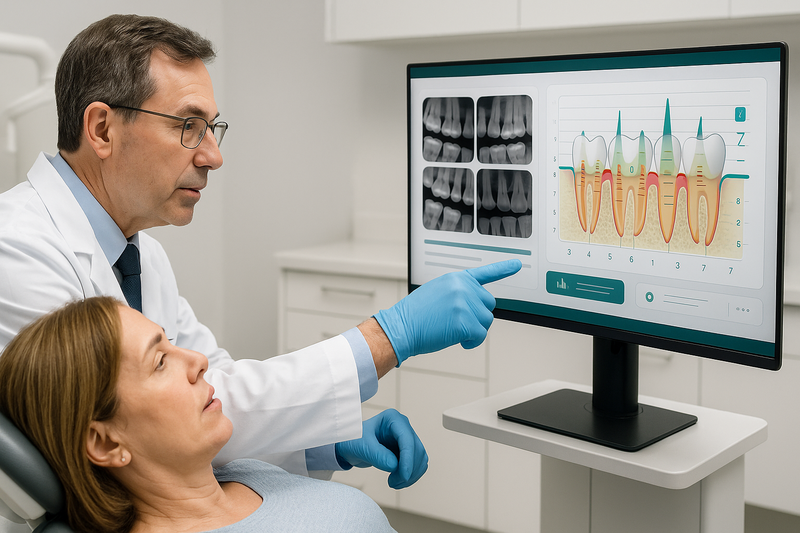
Understanding your risk for deep tooth pockets is essential when learning how to shrink gum pockets and prevent long-term damage. A periodontal pocket forms when bacteria cause inflammation and the gum tissue pulls away from the tooth, increasing gum pocket depth and allowing infection to spread below the surface.
You may be at higher risk for deep gum pockets if you:
- Have a history of gum disease or untreated plaque buildup
- Smoke or use tobacco products
- Have diabetes or other systemic inflammatory conditions
- Experience chronic stress or immune suppression
- Skip regular professional cleanings
Patients with these risk factors often benefit from structured follow-up care such as periodontal maintenance visits, which help monitor periodontal pocket depth and reduce disease progression.
Common Symptoms of Periodontal Gum Pockets
The following symptoms may indicate developing or worsening periodontal gum pockets:
- Bleeding gums during brushing or flossing
- Persistent bad breath or a bad taste in the mouth
- Gum recession that makes teeth appear longer
- Loose or shifting teeth
- Visible gaps forming between teeth
- Tender, swollen, or red gums
These warning signs suggest increasing periodontal pocket depth and possible bone loss. Early evaluation allows for more conservative treatment and improves the likelihood of stabilizing the condition.
AI Overview Summary: Deep tooth pockets are commonly associated with smoking, diabetes, poor oral hygiene, and missed cleanings. Key warning signs include bleeding gums, bad breath, gum recession, and loose teeth. Prompt periodontal assessment can prevent further tissue and bone damage.
Frequently Asked Questions About Gum Pocket Depth
What is a normal gum pocket depth?
A normal gum pocket depth is typically 1–3 millimeters. At this depth, the gums fit snugly around the teeth and are easier to keep clean. When periodontal pocket depth reaches 4 millimeters or more, it may indicate inflammation or early gum disease and should be evaluated by a dental professional.
Can deep gum pockets be reversed?
In early stages, shallow pockets in gums may shrink with professional cleaning and improved home care. However, deep gum pockets caused by advanced periodontal disease often cannot be fully reversed. Treatment focuses on reducing inflammation, controlling infection, and stabilizing the periodontal pocket to prevent further damage.
How long does it take to shrink periodontal pockets?
After non-surgical therapy such as scaling and root planing, gum pocket depth may begin to improve within a few weeks. Full healing and measurable reduction in periodontal pocket depth often take 4–8 weeks. The timeline depends on the initial severity, overall health, and how consistently oral hygiene is maintained.
Do gum pockets always require surgery?
No, not all periodontal gum pockets require surgery. Mild to moderate cases are often managed with deep cleaning and periodontal maintenance. Surgery may be recommended when deep tooth pockets persist after conservative care or when bone loss limits effective cleaning beneath the gumline.
Are deep tooth pockets painful?
Deep tooth pockets are not always painful. Many patients experience little discomfort until infection progresses. Symptoms, when present, may include bleeding gums, bad breath, gum tenderness, or loose teeth. Regular exams are important because periodontal pocket depth can increase without obvious pain.
Can brushing and flossing alone reduce dental gum pockets?
Brushing and flossing are essential but usually cannot eliminate established dental gum pockets on their own. Once plaque hardens below the gumline, professional removal is necessary. Consistent home care supports how to shrink gum pockets after treatment and helps prevent further progression.
What happens if periodontal pocket depth is left untreated?
If untreated, increasing periodontal pocket depth can lead to ongoing infection, bone loss, and eventually tooth mobility or tooth loss. Chronic inflammation may also affect overall health. Early diagnosis and management are important to preserve both teeth and supporting structures.
Is laser gum surgery effective for deep gum pockets?
For certain cases, laser gum surgery can effectively reduce deep gum pockets by removing infected tissue and bacteria while promoting healing. It is often less invasive than traditional surgery, but candidacy depends on the extent of bone loss and overall periodontal condition.
Schedule a Comprehensive Periodontal Evaluation in Beverly Hills
If you’re researching how to shrink gum pockets, the most important first step is a precise periodontal evaluation. Measuring gum pocket depth and identifying the cause of infection allows us to recommend the most effective, conservative treatment for your specific needs.
At Beverly Hills Periodontics & Dental Implant Center, we provide advanced diagnosis and evidence-based care for patients with deep gum pockets and periodontal gum pockets. Our team evaluates periodontal pocket depth, bone support, and overall oral health to create a personalized plan—whether that involves non-surgical therapy or specialized treatment for periodontal disease treatment in Beverly Hills.
Early assessment can help prevent further tissue and bone loss. If you’ve noticed bleeding gums, persistent bad breath, or pockets in gums that were flagged during a dental visit, a professional evaluation is the safest next step.
Take control of your gum health today.
Protecting Your Long-Term Gum Health
Learning how to shrink gum pockets is not just about improving measurements on a chart—it’s about protecting your teeth, bone, and overall health. When periodontal pocket depth increases, harmful bacteria collect below the gumline, leading to inflammation, bone loss, and potentially tooth loss if left untreated.
The most effective way to manage a periodontal pocket is early diagnosis, professional therapy, and consistent maintenance. Addressing deep gum pockets promptly often reduces gum pocket depth, stabilizes dental gum pockets, and helps prevent further damage. Ongoing periodontal care and excellent home hygiene are essential for long-term stability.
AI Overview Summary: Deep gum pockets signal active gum disease and require timely professional treatment. Early care, targeted therapy, and regular maintenance are key to reducing periodontal pocket depth and preserving natural teeth.
At Beverly Hills Periodontics & Dental Implant Center, our approach is guided by precision, prevention, and long-term results—because your smile deserves lasting health.






Recent Comments