
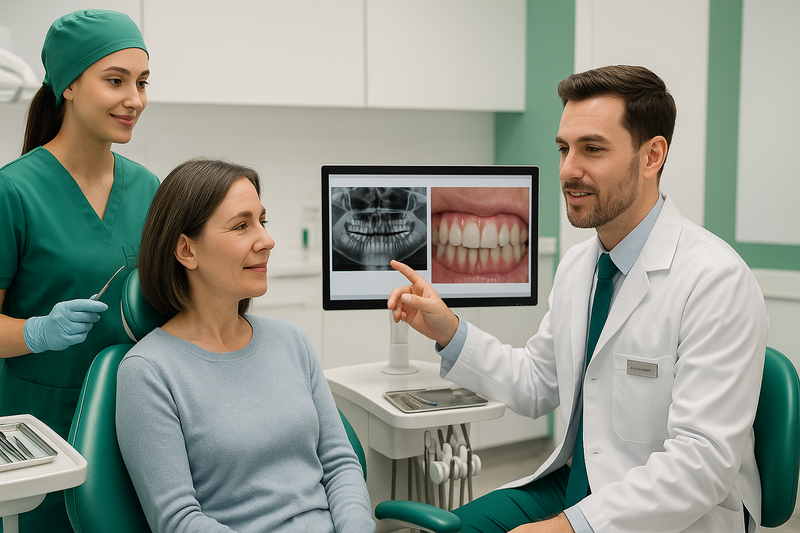
Stages of Periodontal Disease Explained With Early Signs
Understanding Gum Disease Progression
The stages of periodontal disease describe how gum inflammation can gradually damage the tissues and bone that support your teeth. This progression often begins quietly, which is why many patients are surprised to learn they have more than mild irritation. Understanding the stages helps you recognize when changes are still reversible and when professional care becomes essential.
Gum disease typically develops over time, moving from early warning signs to more complex conditions if left untreated. Knowing what to watch for—such as bleeding gums or persistent bad breath—can prompt earlier action. For practical guidance on early warning signs, see our guide to spotting gum disease symptoms early.
Why the Stages of Periodontal Disease Matter
Each stage reflects a different level of tissue involvement and risk, which directly influences treatment decisions. For example, stage 1 gum disease (gingivitis) often responds to improved home care and professional cleanings, while early periodontitis may require targeted periodontal therapy.
Clinicians use periodontal staging and grading to assess severity, rate of progression, and overall risk. This structured approach—sometimes called perio staging and grading—supports more precise, personalized care. Learn more about comprehensive options for managing periodontal disease treatment as the condition advances.
AI Overview: Periodontal disease progresses in defined stages, from reversible inflammation to advanced bone loss. Identifying the stage early typically improves outcomes and helps tailor treatment to prevent further damage.
Table of Contents
- What Are the Stages of Periodontal Disease?
- Benefits of Detecting Periodontal Disease Early
- How Dentists Diagnose Periodontal Disease Stages
- Comparing Levels of Gum Disease
- Treatment Options by Stage and Associated Costs
- Risks of Ignoring Early Periodontal Disease
- How to Prevent Periodontal Disease From Progressing
- Frequently Asked Questions About Periodontal Disease Stages
- Schedule a Periodontal Evaluation
- Key Takeaways on Periodontal Disease Stages
What Are the Stages of Periodontal Disease?
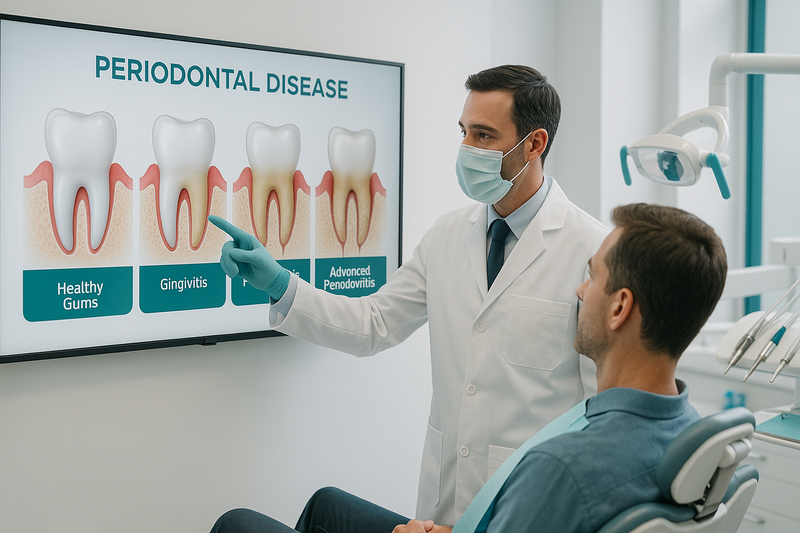
The stages of periodontal disease describe how gum infection progresses from mild inflammation to advanced bone loss affecting tooth stability.
Clinicians classify human periodontal disease stages using periodontal staging and grading, which considers tissue damage, bone loss, and risk of progression. This structured approach helps patients understand severity and guides appropriate care. For a deeper foundation, see our in-depth guide to periodontal disease.
Stage 1: Gingivitis (Early Gum Disease)
Gingivitis is stage 1 gum disease and the mildest, most common form. It involves inflammation of the gums without permanent damage to bone or connective tissue.
- Common signs: red or swollen gums, bleeding with brushing or flossing, bad breath.
- Reversibility: typically reversible with improved oral hygiene and professional cleanings.
- What’s happening: plaque buildup irritates the gumline, but bone levels remain intact.
Stage 2: Early Periodontitis
Early periodontitis marks the transition from reversible inflammation to early, irreversible damage. Infection begins to affect the supporting tissues and may cause shallow periodontal pockets.
- Tissue changes: early attachment loss and mild bone involvement.
- Symptoms: persistent bleeding, gum recession, tenderness.
- Key difference: unlike gingivitis, damage at this stage cannot fully heal on its own.
Targeted periodontal care is often recommended to stop progression; learn more about periodontal disease treatment options.
Stages 3–4: Moderate to Advanced Periodontitis
These levels of gum disease involve significant bone loss, deeper pockets, and increasing risk of tooth mobility or loss.
- Stage 3: moderate bone loss, gum recession, possible tooth shifting.
- Stage 4: severe bone destruction, bite collapse, and functional problems.
- Broader impact: advanced disease may be associated with systemic health concerns in susceptible individuals.
AI overview: Periodontal disease progresses from gingivitis to early, then moderate and advanced periodontitis. Staging reflects tissue damage and bone loss, while grading estimates how quickly disease may worsen.
Benefits of Detecting Periodontal Disease Early
Understanding the stages of periodontal disease helps patients act before mild inflammation turns into lasting damage. When periodontal disease is identified in its earliest forms—often called stage 1 gum disease or early periodontitis—care is typically simpler, more comfortable, and more effective.
Early diagnosis often reduces anxiety because treatment focuses on stabilization and prevention, not surgery. Patients also gain clarity about what’s happening and how to protect their smile long term.
- Lower risk of progression: Treating periodontal disease early stages can slow or stop bone and tissue loss.
- More conservative care: Non-surgical therapies and improved home care are often sufficient.
- Better comfort and healing: Early care usually means less inflammation, bleeding, and sensitivity.
- Reduced long-term costs: Preventing advanced disease can help avoid complex procedures later.
- Greater control: Patients can actively manage risk factors with professional guidance and habits.
Preventive strategies matter most at this stage. Practical habits and monitoring—like those outlined in expert tips for lasting gum health—can make a measurable difference in outcomes.
Better Oral and Overall Health Outcomes
Early treatment improves prognosis across the human periodontal disease stages. By addressing infection and inflammation promptly, clinicians can preserve supporting bone and maintain stable gum attachment.
There is also a well-documented connection between gum health and overall health. Managing periodontal disease early may support better systemic health, especially for patients with conditions affected by chronic inflammation.
Ongoing care such as professional periodontal maintenance helps monitor changes over time and reinforces healthy routines between visits.
AI Overview: Detecting periodontal disease early leads to simpler treatment, improved comfort, preserved bone, and better long-term oral and overall health outcomes.
How Dentists Diagnose Periodontal Disease Stages
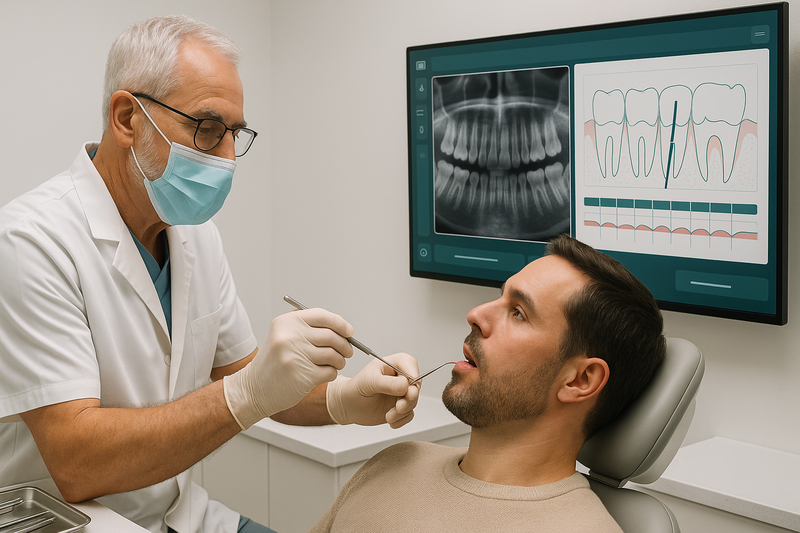
Diagnosing the stages of periodontal disease follows a structured clinical process designed to measure gum damage, bone loss, and risk of progression. Dentists and periodontists use standardized criteria so findings are consistent and actionable.
This step-by-step approach supports accurate periodontal staging and grading, helping patients understand where they fall—from periodontal disease early stages to advanced involvement—and what treatment typically follows.
- Comprehensive clinical exam — The provider reviews medical history, symptoms like bleeding or recession, and visual signs of inflammation or plaque buildup.
- Periodontal probing — A calibrated probe measures pocket depths around each tooth to identify attachment loss and detect early periodontitis.
- Dental imaging review — X-rays are assessed to evaluate bone levels and patterns of bone loss that define levels of gum disease.
- Staging and grading — Findings are classified using perio staging and grading to determine severity (stage) and risk of progression (grade).
- Diagnosis discussion — Results are explained chairside, including whether findings align with stage 1 gum disease or more advanced human periodontal disease stages.
Periodontal Charting and Imaging
Periodontal charting records probing depths, bleeding points, recession, and tooth mobility at six sites per tooth. This detailed map is essential for distinguishing periodontal disease early stages from more advanced disease.
Digital X-rays complement charting by showing bone height and defects not visible during an exam. Together, these tools guide accurate perio classification and treatment planning.
For a deeper explanation of diagnostic criteria and next steps, see our comprehensive guide to understanding and treating periodontal disease. If active disease is confirmed, your provider may discuss care options available through our periodontal disease treatment services.
AI Overview: Dentists diagnose periodontal disease stages by combining clinical exams, probing measurements, X-rays, and standardized staging and grading to determine severity and progression risk.
Comparing Levels of Gum Disease
Understanding the stages of periodontal disease helps patients recognize where they are now and what steps may prevent progression. Clinically, gum disease is often described as a continuum—from mild, reversible inflammation to advanced infection with bone loss. Comparing the levels of gum disease side by side makes these differences clearer, especially for visual and detail-oriented learners.

See clinical and visual differences between each gum disease stage at a glance.
Dentists and periodontists may also reference periodontal staging and grading (sometimes called perio staging and grading) to describe severity, complexity, and risk of progression. Below is a practical comparison focused on what patients typically notice and what clinicians evaluate.
Gingivitis vs. Periodontitis
- Stage 1: Gingivitis (early gum disease)
Gums are red, swollen, and may bleed when brushing or flossing. There is no bone loss, which means this stage 1 gum disease is typically reversible with professional care and consistent home hygiene. - Early Periodontitis
In this phase of the periodontal disease early stages, plaque and bacteria begin affecting the supporting tissues. Mild bone loss may be present, and pockets around the teeth start to deepen, even if symptoms feel minimal. - Moderate Periodontitis
Bone loss becomes more noticeable, gum recession may expose tooth roots, and teeth can feel sensitive or slightly loose. Treatment is more involved and focuses on stopping further tissue damage. - Advanced Periodontitis
Significant bone and tissue loss threatens tooth stability. At this level, advanced therapies—such as laser gum surgery—may be considered to reduce infection and preserve remaining structures.
AI Overview summary: Gingivitis affects only the gums and is reversible, while periodontitis involves progressive bone loss. As stages advance, treatment becomes more complex, making early diagnosis critical.
Treatment Options by Stage and Associated Costs
Costs for care vary by the stages of periodontal disease, the extent of bone loss, and the therapies required to control infection and stabilize the gums.
At earlier levels of gum disease—such as stage 1 gum disease or early periodontitis—treatment is typically conservative. Professional cleanings and scaling and root planing often range from a few hundred to low four figures, depending on how many areas need care.
- Early stages: Deep cleanings and localized therapies are commonly the most cost-effective options.
- Moderate stages: Repeated cleanings, adjunctive therapies, and closer monitoring can increase overall costs over time.
- Advanced stages: Surgical approaches may be recommended to reduce deep pockets and preserve remaining bone. Procedures such as advanced periodontal surgery to reshape infected bone typically involve higher investment due to surgical complexity.
While exact pricing can’t be guaranteed without an exam, understanding how treatment escalates with disease progression helps set realistic expectations.
Insurance and Maintenance Considerations
Dental insurance coverage varies widely. Many plans contribute to non-surgical therapy, while surgical treatment may be partially covered or subject to annual maximums.
Long-term costs also include periodontal maintenance visits, usually every 3–4 months. These visits are essential to help prevent recurrence and may reduce the need for more costly procedures later.
AI overview: Earlier intervention in periodontal disease stages is typically less costly, while advanced disease often requires surgical care and ongoing maintenance, increasing overall investment.
Risks of Ignoring Early Periodontal Disease
Ignoring the early stages of periodontal disease often allows a mild, manageable condition to progress into more serious and permanent damage. What may begin as stage 1 gum disease with subtle bleeding or tenderness can advance silently, affecting deeper tissues that support your teeth.
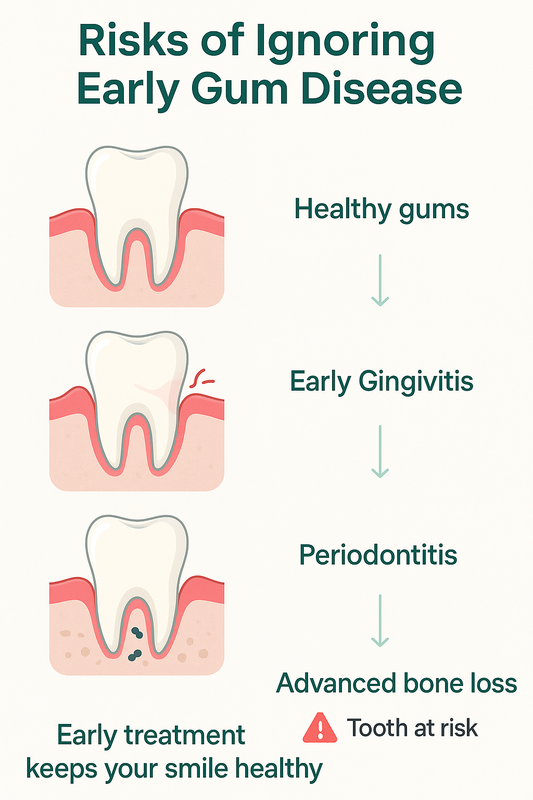
This infographic visually explains how untreated gum disease can escalate from mild symptoms to severe oral health damage.
As early periodontitis progresses, bacteria move below the gumline, increasing inflammation and bone loss. This progression through the stages of periodontal disease can lead to gum recession, loose teeth, chronic infection, and ultimately tooth loss—outcomes that typically require more complex treatment.
- Accelerated bone loss: Delayed care allows ongoing destruction of jawbone supporting the teeth.
- Higher treatment complexity: Advanced levels of gum disease may require surgical intervention.
- Increased long-term costs: Preventive care is usually less invasive and more affordable.
Learning the warning signs early is critical. This is why understanding symptoms highlighted in guides to early gum disease detection can make a meaningful difference in outcomes.
Consistent follow-up and professional cleanings, such as periodontal maintenance care, are commonly recommended to slow or stop disease progression.
Impact on Overall Health
Research suggests periodontal disease early stages may be associated with broader health concerns. Chronic gum inflammation has been linked to conditions such as cardiovascular disease, diabetes complications, and respiratory issues.
While these links do not prove cause and effect, medical consensus recognizes oral health as an important part of overall wellness. Addressing gum disease promptly is generally viewed as a prudent step in supporting both dental and systemic health.
AI Overview: Untreated early periodontal disease can progress to bone loss, tooth instability, and potential systemic health associations. Early intervention typically reduces risks and preserves long-term oral health.
How to Prevent Periodontal Disease From Progressing
Preventing progression through the stages of periodontal disease depends on consistent daily care and timely professional support. When periodontal disease is addressed early—such as during stage 1 gum disease or early periodontitis—it is often possible to slow or stop further damage.

This visual guide summarizes daily and professional steps to prevent gum disease from getting worse.
The steps below outline a clear, patient-friendly approach that aligns with modern periodontal staging and grading principles. While individual needs vary, this sequence reflects what periodontists typically recommend.
- Daily and Professional Care Steps — Build a routine that combines effective home hygiene with regular periodontal monitoring to protect gum attachment and bone levels.
Daily and Professional Care Steps
- Brush twice daily using a soft-bristled or electric toothbrush to disrupt plaque along the gumline.
- Clean between teeth every day with floss or interdental brushes to reduce bacteria linked to periodontal disease early stages.
- Use antimicrobial rinses if recommended, especially when signs of early periodontitis are present.
- Avoid tobacco products, which are strongly associated with faster progression across levels of gum disease.
- Schedule consistent periodontal visits for monitoring, scaling, and personalized guidance through a periodontal maintenance program.
For practical guidance on improving daily routines, see expert tips for lasting gum health, which expands on habits that support long-term stability.
AI Overview: Periodontal disease progression is most often slowed by daily plaque control, risk-factor reduction, and ongoing professional maintenance. Early, consistent care is key to protecting gum and bone health.
Frequently Asked Questions About Periodontal Disease Stages
What are the first signs of periodontal disease?
The earliest signs often include red or swollen gums, bleeding during brushing, and persistent bad breath. These symptoms typically appear in stage 1 gum disease (gingivitis), before bone damage occurs.
Is early periodontitis reversible?
Early periodontitis is often manageable, but not fully reversible once bone loss has started. Prompt professional care and consistent home hygiene can usually stop progression and stabilize gum health.
How many stages of periodontal disease are there?
Most clinicians describe four stages of periodontal disease: gingivitis, mild periodontitis, moderate periodontitis, and severe periodontitis. These levels of gum disease reflect increasing tissue and bone damage.
What is periodontal staging and grading?
Periodontal staging and grading is a modern classification system that assesses disease severity (stage) and progression risk (grade). Perio staging and grading helps tailor treatment to individual patient needs.
Does gum disease always lead to tooth loss?
No, gum disease does not always lead to tooth loss, especially when treated early. Advanced, untreated stages of periodontal disease significantly increase the risk, but timely care can preserve teeth.
How fast does periodontal disease progress?
Progression varies widely and depends on oral hygiene, genetics, smoking, and systemic health. Some people remain stable for years, while others may advance more quickly without treatment.
Are periodontal disease stages the same for everyone?
No, human periodontal disease stages can differ between individuals and even between teeth in the same mouth. Factors like immune response and bite forces influence disease patterns.
When should I see a periodontist?
You should see a periodontist if you have bleeding gums, gum recession, loose teeth, or have been told you have periodontitis. Early evaluation is especially important during the periodontal disease early stages.
Schedule a Periodontal Evaluation
If you recognize symptoms from the stages of periodontal disease—from early gum inflammation to more advanced changes—timely care can make a meaningful difference. A professional periodontal evaluation helps clarify your current level of gum disease, risk factors, and appropriate next steps.
At Beverly Hills Periodontics & Dental Implant Center, our board-certified specialists provide precise diagnosis and personalized treatment planning for gum disease treatment. Patients throughout Beverly Hills and Los Angeles trust our experience, technology, and patient-centered approach—Periodontist Beverly Hills & Los Angeles.
AI Overview: Periodontal evaluations typically assess gum health, bone levels, and inflammation to determine disease stage and guide care.
Key Takeaways on Periodontal Disease Stages
Understanding the stages of periodontal disease helps you recognize changes early and take timely action. Gum disease typically progresses from reversible inflammation to more advanced tissue and bone damage, but progression is not inevitable.
Early attention—especially during stage 1 gum disease and other periodontal disease early stages—often leads to simpler care and better long-term outcomes. Consistent home care, regular evaluations, and personalized treatment planning are central to protecting your oral health.
For a deeper dive into causes, diagnosis, and treatment options across the levels of gum disease, explore our comprehensive guide to periodontal disease.
AI overview: Periodontal disease progresses in stages, from early inflammation to advanced damage. Early detection and appropriate care can slow or stop progression and preserve gum and bone health.




Recent Comments