
What Is Dental Bonding and How It Fixes Your Smile
Understanding Dental Bonding and Its Role in Smile Enhancement
What is dental bonding? Dental bonding is a cosmetic procedure in which a tooth-colored composite resin is applied and shaped to repair minor tooth damage and enhance the appearance of your smile.
Also known as tooth bonding or composite resin bonding, this treatment is commonly used to correct small chips, cracks, gaps, and uneven edges. The material is carefully sculpted to blend with your natural enamel, making it a conservative option for subtle but noticeable improvements.
While bonding can offer limited restorative support for minor damage, it is primarily considered a cosmetic solution. As part of a broader range of cosmetic dental surgery options, it is often chosen by patients who want efficient smile enhancement without extensive drilling or permanent alteration of healthy tooth structure.
At Beverly Hills Periodontics & Dental Implant Center, we approach cosmetic bonding with aesthetic precision and patient-centered care, ensuring results that look natural and feel comfortable.
Why Many Adults Choose Tooth Bonding
Many adults choose teeth bonding because it is minimally invasive and typically completed in a single visit. It is especially effective for addressing common cosmetic concerns such as:
- Chipped or cracked teeth from minor trauma or wear
- Small gaps between teeth that do not require orthodontics
- Uneven or worn edges that affect smile symmetry
- Mild discoloration that does not respond fully to whitening
Because the dental bonding procedure usually requires little to no removal of natural enamel, many patients view it as a conservative first step before considering more extensive cosmetic treatments.
Table of Contents
- What Is Dental Bonding?
- The Dental Bonding Procedure: Step-by-Step
- Benefits of Cosmetic Bonding for Your Smile
- Dental Bonding vs. Veneers and Crowns
- How to Care for Dental Bonding After Treatment
- Is Dental Bonding Right for You?
- Frequently Asked Questions About Dental Bonding
- Schedule Your Dental Bonding Consultation in Beverly Hills or Los Angeles
What Is Dental Bonding?
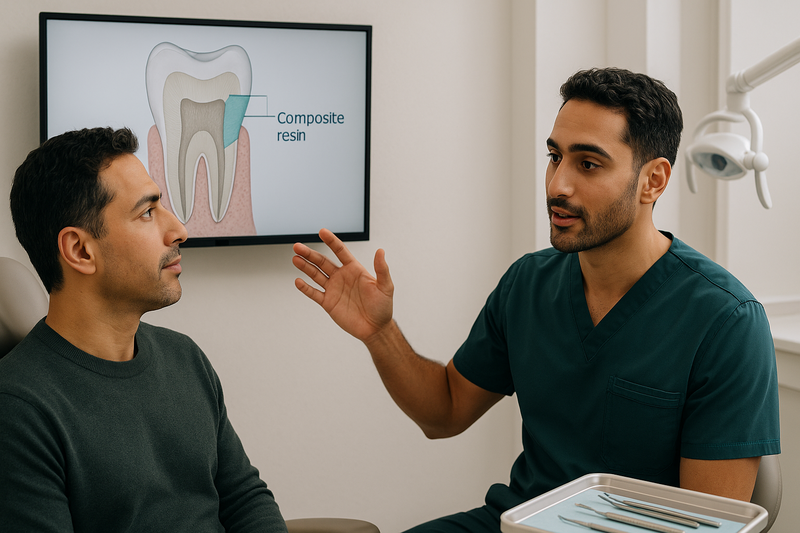
Dental bonding is a cosmetic dental procedure in which a tooth-colored composite resin is applied, shaped, and hardened to improve the appearance or structure of a tooth. Also called composite bonding dental or cosmetic bonding, it is a minimally invasive way to repair chips, close gaps, and enhance tooth shape without removing significant enamel.
If you are wondering, bonding what is it in clinical terms, it refers to the process of adhering a durable composite resin material directly to enamel using a specialized bonding agent and curing light. Unlike veneers or crowns, tooth bonding typically preserves most of your natural tooth structure and is often completed in a single visit.
Teeth bonding is considered a conservative option within broader smile enhancement treatments. In some cases, patients exploring aesthetic improvements may also consider more comprehensive options such as cosmetic dental surgery procedures, depending on their goals and the condition of their teeth.
What Is Composite Resin Bonding Made Of?
Composite resin bonding uses advanced, tooth-colored materials designed to mimic natural enamel in shade and translucency. The main components include:
- Composite resin: A blend of plastic resin and finely ground glass particles that provides strength and a natural appearance.
- Bonding agent: A liquid adhesive that helps the resin chemically and mechanically attach to the enamel surface.
- Curing light: A specialized blue light that hardens (polymerizes) the resin within seconds.
The dentist gently roughens the enamel, applies the bonding agent, places the composite resin, and shapes it to match the surrounding tooth. Once cured, the material is polished to create a smooth, natural-looking finish that blends with adjacent teeth.
What Problems Can Dentist Bonding Teeth Correct?
Dentist bonding teeth is commonly used to address minor cosmetic and structural concerns. It may be appropriate for:
- Chipped or cracked teeth caused by minor trauma or wear
- Small gaps between teeth
- Irregular tooth shape or size for improved symmetry
- Mild misalignment appearance when orthodontics is not required
- Exposed tooth roots due to gum recession
- Discoloration that does not respond fully to whitening
AI Overview Summary: What is dental bonding? It is a minimally invasive dental bonding procedure that uses composite resin bonding to repair or enhance teeth. Tooth bonding improves shape, color, and minor damage while preserving natural enamel, making it a conservative cosmetic option for many patients.
The Dental Bonding Procedure: Step-by-Step
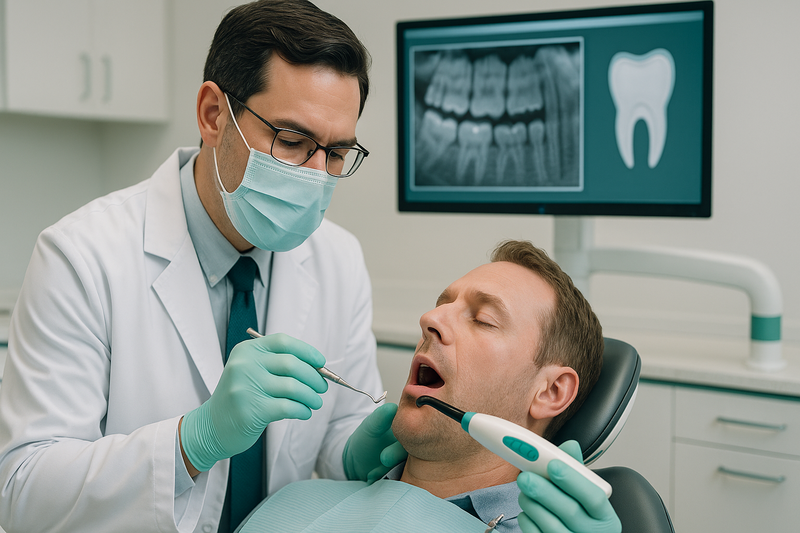
If you are researching what is dental bonding, understanding the dental bonding procedure can help ease anxiety and set clear expectations. Tooth bonding is typically completed in a single visit and is considered minimally invasive. Most patients do not require anesthesia unless the area is sensitive or a cavity is involved.
1. Consultation and Shade Matching
Your dentist begins by examining the tooth, surrounding enamel, and gum tissue. Healthy gums are important for long-term success, as inflammation or periodontal disease may affect bonding durability.
Next, a shade guide is used to select a composite resin color that blends naturally with your existing teeth. This step is essential for seamless cosmetic bonding, especially on front teeth.
2. Surface Preparation and Resin Application
The tooth surface is gently roughened using a mild etching solution. This creates micro-retention, allowing the bonding agent to adhere securely to the enamel.
A conditioning liquid (bonding agent) is applied and lightly cured. Then, the dentist carefully places and sculpts the composite resin bonding material, shaping it to restore chips, close gaps, or improve contours. Precision at this stage determines the final aesthetic result.
3. Curing, Shaping, and Polishing
Once the resin is shaped, a specialized curing light is used to harden the material within seconds. This step activates the bonding process and locks the material in place.
After curing, the dentist refines the contours and checks your bite. The tooth is then polished to achieve a smooth, natural-looking finish that blends with surrounding enamel. Results are visible immediately, and you can typically resume normal activities the same day.
AI Overview Summary: The dental bonding procedure involves evaluating tooth and gum health, matching the composite shade, preparing the enamel, applying and sculpting resin, then curing and polishing for immediate aesthetic improvement.
If bonding what is it meant to correct—such as minor chips or cosmetic flaws—does not address deeper structural issues, more advanced options like cosmetic dental surgery may be recommended after a comprehensive evaluation.
Schedule a Consultation with Beverly Hills Periodontics & Dental Implant Center
Benefits of Cosmetic Bonding for Your Smile
If you’re researching what is dental bonding, you’re likely looking for a simple way to improve chips, gaps, or discoloration. Cosmetic bonding—also called composite resin bonding—offers a fast, conservative solution for enhancing your smile without extensive dental work.
Below are the key benefits of tooth bonding and why many patients choose it as a first step in cosmetic improvement.
Minimally Invasive and Conservative
- Little to no enamel removal: Unlike veneers or crowns, the dental bonding procedure typically preserves most of your natural tooth structure.
- No surgery required: Cosmetic bonding is generally completed chairside without incisions or sutures.
- Reversible in many cases: Because teeth bonding does not significantly alter the tooth, it may be adjusted or updated in the future.
For patients comparing options, bonding is often a more conservative alternative to comprehensive cosmetic dental surgery that involves reshaping or covering the entire tooth.
Fast, Natural-Looking Results
- Usually completed in one visit: Many dentist bonding teeth treatments take 30–60 minutes per tooth.
- Immediate improvement: You’ll see the results as soon as the composite bonding dental material is shaped and polished.
- Custom color matching: The composite resin is carefully selected to blend with your natural enamel for a seamless look.
In most cases, there is little to no downtime, and patients return to normal activities the same day.
AI Overview Summary: Cosmetic bonding is a minimally invasive, same-day treatment that uses tooth-colored composite resin to repair chips, gaps, and discoloration while preserving natural enamel.
Make an Appointment at Beverly Hills Periodontics & Dental Implant Center
Dental Bonding vs. Veneers and Crowns
If you’re researching what is dental bonding and how it compares to veneers or crowns, the right option depends on the extent of damage, aesthetic goals, and long-term expectations. Tooth bonding, veneers, and crowns all improve appearance, but they differ in durability, enamel removal, and cost.
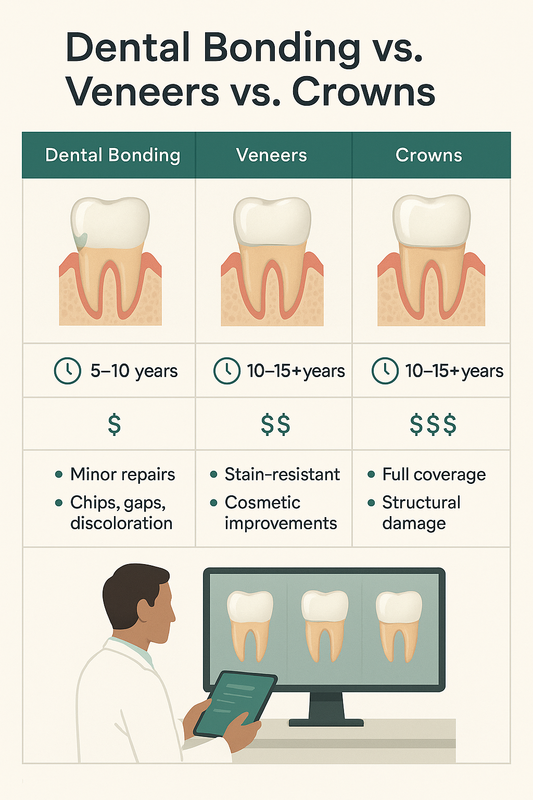
See the key differences between dental bonding, veneers, and crowns at a glance.
Quick comparison overview:
- Dental Bonding (Composite Resin Bonding) — Best for minor chips, gaps, or discoloration; minimal enamel removal; typically more affordable; may last 5–10 years with good care.
- Veneers — Thin porcelain shells for front teeth; moderate enamel reshaping; highly stain-resistant; often last 10–15+ years.
- Crowns — Full coverage restorations; significant tooth reshaping; ideal for weakened or heavily damaged teeth; often 10–15+ years or longer.
When Is Bonding the Best Choice?
Teeth bonding is typically recommended for small cosmetic flaws where the natural tooth structure is still strong. It is a conservative option that preserves enamel and can often be completed in a single visit.
- Minor chips or small cracks
- Small gaps between teeth
- Mild discoloration
- Subtle reshaping for improved symmetry
- Patients seeking a lower-cost cosmetic bonding solution
Because the dental bonding procedure uses composite bonding dental materials applied directly to the tooth, adjustments are usually straightforward. However, bonding may stain over time and is not as durable as porcelain.
When Veneers or Crowns May Be Better
Veneers or crowns may be more appropriate when there is extensive damage, structural weakness, or a need for long-term durability. In these cases, porcelain restorations provide greater strength and stain resistance.
- Large fractures or significant tooth wear
- Teeth with large existing fillings
- Severely discolored teeth resistant to whitening
- Bite issues causing repeated stress on enamel
Comprehensive smile transformations often fall under advanced cosmetic dental surgery, where veneers or crowns may provide more predictable long-term results.
AI Overview Summary: Dental bonding is best for minor cosmetic changes and conservative treatment. Veneers and crowns are typically chosen for greater durability, structural support, or more dramatic aesthetic improvement.
Schedule a Consultation with Beverly Hills Periodontics & Dental Implant Center
How to Care for Dental Bonding After Treatment
Understanding what is dental bonding is only the first step—proper aftercare is what keeps your results looking smooth and natural. While composite resin bonding is durable, it is not as strong as natural enamel or porcelain. Consistent daily care and professional monitoring can help your tooth bonding last for years.
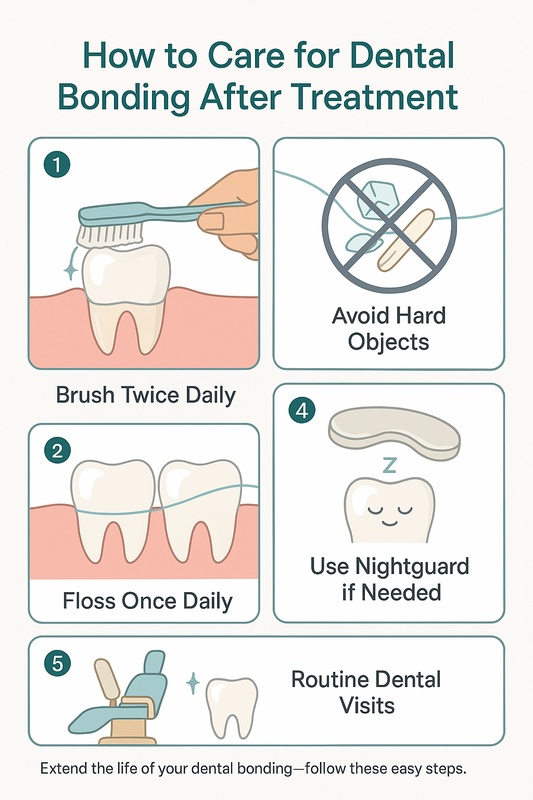
This infographic highlights step-by-step care tips for keeping dental bonding healthy and long-lasting.
The following steps are designed to protect your cosmetic bonding, reduce staining, and prevent chips or premature wear.
-
Daily Maintenance Steps
Brush twice daily using a soft-bristled toothbrush and non-abrasive toothpaste. Gentle brushing helps protect the polished surface of composite bonding dental materials.
Floss once a day to remove plaque between teeth and along the gumline. Healthy gums support long-lasting teeth bonding and reduce the risk of edge staining.
Avoid biting hard objects such as ice, pens, or fingernails. These habits can chip or crack the bonded area. If you grind your teeth at night, your dentist may recommend a custom nightguard.
-
Professional Checkups and Polishing
Schedule routine dental exams so your provider can evaluate the integrity of the dental bonding procedure. Small chips or rough edges can often be smoothed or repaired quickly when caught early.
Professional cleanings help remove surface stains from coffee, tea, or wine. Periodic polishing also maintains the shine and color match of your composite resin bonding.
In short, consistent home care plus regular professional evaluations are the most reliable ways to extend the life of your bonding what is it restoration and protect your smile investment.
Schedule a Visit with Beverly Hills Periodontics & Dental Implant Center
Is Dental Bonding Right for You?
If you’re researching what is dental bonding and wondering whether it fits your smile goals, the answer depends on your oral health, cosmetic concerns, and expectations. Tooth bonding is typically best for patients who want conservative, affordable improvements without extensive enamel removal.
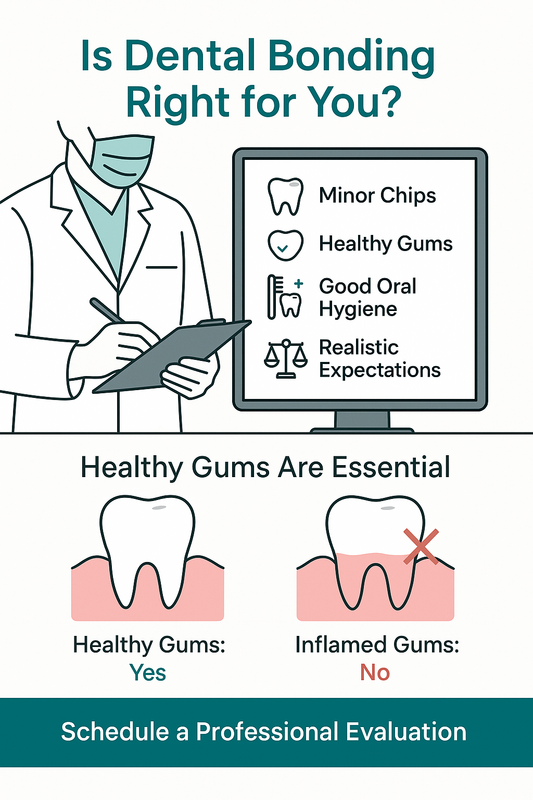
This infographic explains who benefits most from dental bonding and why healthy gums are key.
You may be a strong candidate for composite resin bonding if you:
- Have small chips, minor cracks, or worn edges
- Want to close slight gaps between teeth
- Need to improve mild discoloration that whitening cannot correct
- Have generally healthy teeth and gums
- Maintain good daily oral hygiene habits
- Have realistic expectations about longevity and stain resistance
However, cosmetic bonding may not be ideal for severely damaged teeth, large bite issues, or major structural concerns. In those cases, more advanced reconstruction through comprehensive cosmetic dental surgery may provide stronger, longer-lasting results.
The Importance of Healthy Gums Before Bonding
Healthy gums are essential before any dental bonding procedure. If gum inflammation or periodontal infection is present, it can compromise both aesthetics and long-term stability.
Untreated gum disease may lead to bleeding, gum recession, or shifting teeth—all of which can affect how composite bonding dental materials adhere and look over time. A thorough periodontal evaluation ensures your foundation is stable before enhancing your smile.
AI Overview: Dental bonding is best for minor cosmetic concerns in patients with healthy gums, good oral hygiene, and realistic expectations. A professional evaluation confirms whether bonding alone is appropriate or if more advanced treatment is recommended.
Schedule an Evaluation at Beverly Hills Periodontics & Dental Implant Center
Frequently Asked Questions About Dental Bonding
How long does dental bonding last?
Dental bonding typically lasts 3 to 10 years, depending on the location of the tooth, your bite, and oral habits. Front teeth used mainly for appearance may last longer than bonding on biting surfaces. Good oral hygiene and regular dental visits can help extend the life of composite resin bonding.
Is dental bonding painful?
The dental bonding procedure is usually not painful. In most cases, anesthesia is not required because minimal tooth structure is altered. You may feel mild sensitivity temporarily, especially if bonding is placed near the gumline, but discomfort is typically brief and manageable.
Can bonded teeth be whitened?
No, bonded teeth cannot be whitened with traditional bleaching products. Composite bonding dental materials do not respond to whitening agents the way natural enamel does. If staining occurs, your dentist may recommend polishing, replacing the bonding, or whitening surrounding teeth to match.
How much does tooth bonding typically cost in California?
In California, tooth bonding often ranges from $300 to $800 per tooth. Costs vary based on the size of the repair, the complexity of the case, and the provider’s expertise. Because cosmetic bonding is usually considered elective, dental insurance may offer limited coverage.
Does composite bonding stain over time?
Yes, composite resin bonding can stain over time, especially with frequent coffee, tea, red wine, or tobacco use. While the material is polished to resist discoloration, it is more porous than natural enamel. Regular cleanings and mindful dietary habits help maintain its appearance.
Can dental bonding fix gaps between teeth?
Yes, dentist bonding teeth is commonly used to close small gaps, especially between front teeth. The composite material is carefully shaped to create a natural contour and symmetrical smile. For larger gaps or bite issues, other cosmetic or orthodontic options may be more appropriate.
Is bonding safe for patients with gum disease?
Bonding may be safe if gum disease is mild and well controlled. However, active periodontal infection should be treated first to ensure long-term stability. A comprehensive evaluation helps determine whether teeth bonding is appropriate or if periodontal therapy is recommended before cosmetic treatment.
What happens if dental bonding chips or breaks?
If dental bonding chips or breaks, it can often be repaired or replaced in a single visit. Minor chips may be smoothed or patched with additional composite. Prompt evaluation is important to prevent further damage and to maintain both function and aesthetics.
Schedule a Consultation with Beverly Hills Periodontics & Dental Implant Center
Schedule Your Dental Bonding Consultation in Beverly Hills or Los Angeles
If you’ve been researching what is dental bonding and wondering whether it’s right for your smile, the next step is a personalized consultation. At Beverly Hills Periodontics & Dental Implant Center, we evaluate your teeth, bite, and gum health to determine whether tooth bonding or another cosmetic option will best achieve your goals.
Our team combines periodontal expertise with aesthetic precision, ensuring your dental bonding procedure supports both long-term oral health and natural-looking results. For patients seeking comprehensive smile enhancement, we also offer advanced cosmetic dental surgery options tailored to your needs.
During your visit, we’ll discuss expectations, materials such as composite resin bonding, and how to maintain your results. You’ll leave with a clear, customized treatment plan and transparent guidance.




Recent Comments