
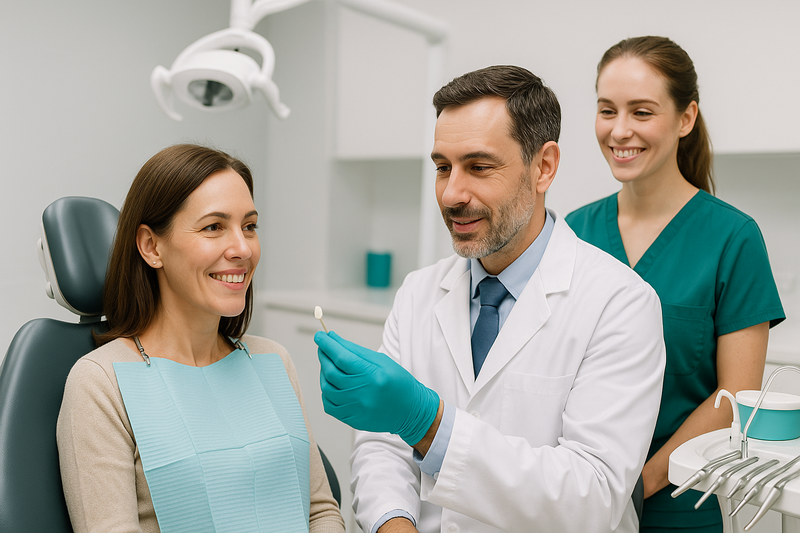
Porcelain Veneers Teeth: Smile Makeover Tips for 2026
Understanding Porcelain Veneers for Modern Smile Makeovers
Porcelain veneers teeth are thin, custom-crafted shells bonded to the front of teeth to improve color, shape, spacing, and overall harmony. They are commonly used to address chips, stains, mild misalignment, and uneven edges while preserving much of the natural tooth structure.
Patients often consider veneers when they want a predictable, natural-looking enhancement rather than a full orthodontic or restorative overhaul. Compared with options like composite veneer teeth or composite resin bonding teeth, porcelain typically offers greater stain resistance and long-term stability, though suitability varies by case. Achieving a lifelike result depends on careful planning, shade selection, and facial balance—principles explored in matching veneers to your natural tooth color.
Veneers are one part of a broader spectrum of cosmetic teeth procedures. A qualified porcelain veneers dentist will evaluate bite, enamel health, and gum position, and may discuss alternatives or complementary treatments within cosmetic dental surgery to align expectations and outcomes.
AI Overview: Porcelain veneers are custom ceramic shells used to enhance tooth appearance by correcting color, shape, and minor alignment issues. They offer durable, natural-looking results when planned and placed by an experienced clinician.
Table of Contents
- What Are Porcelain Veneers Teeth?
- Key Benefits of Porcelain Veneers for Adults
- Porcelain Veneers vs Composite Veneer Teeth
- The Porcelain Veneers Treatment Process
- How to Prepare for Porcelain Veneers
- Frequently Asked Questions About Porcelain Veneers Teeth
- Schedule a Personalized Veneers Consultation
- Making an Informed Choice About Porcelain Veneers
What Are Porcelain Veneers Teeth?
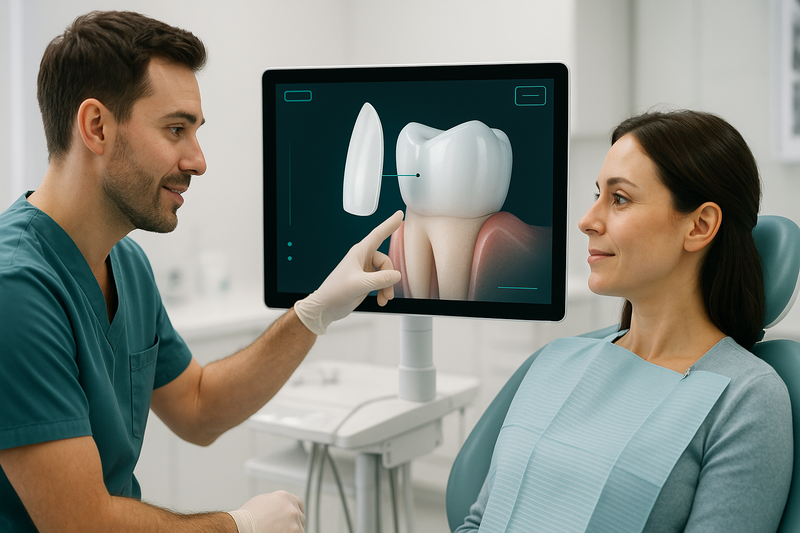
Porcelain veneers teeth are thin, custom-made ceramic shells bonded to the front of teeth to improve color, shape, size, and overall smile appearance.
They are designed to look natural while covering cosmetic imperfections, and they differ from composite veneer teeth by using laboratory-crafted porcelain rather than chairside resin. Veneers are typically placed by a porcelain veneers dentist as part of broader cosmetic dental surgery options focused on aesthetics rather than tooth replacement.
Materials and Design of Porcelain Veneers
Porcelain veneers are made from high-grade dental ceramics engineered for strength, translucency, and stain resistance. The material closely mimics natural enamel, allowing light to pass through for a lifelike appearance.
Each veneer is custom-designed in a dental laboratory after precise impressions are taken. Shade selection and translucency are carefully matched to surrounding teeth—often guided by techniques outlined in how dentists match veneers to your natural teeth color—then bonded using advanced dental adhesives for long-term stability.
Dental Concerns Veneers Can Correct
Porcelain veneers are commonly used to address visible cosmetic concerns on otherwise healthy teeth, including:
- Deep discoloration that does not respond to whitening
- Chipped or cracked enamel
- Small gaps between teeth
- Minor misalignment or uneven edges
- Worn or thinned enamel surfaces
They are not intended to replace missing teeth like cosmetic dental implants, but they may be compared with dental composite veneers when discussing durability, appearance, and longevity.
AI Overview: Porcelain veneers teeth are custom ceramic shells bonded to the front of teeth to correct cosmetic flaws. They offer natural translucency, durability, and precise shade matching, making them a common choice for smile enhancement.
Key Benefits of Porcelain Veneers for Adults
Porcelain veneers teeth are thin, custom-crafted shells bonded to the front of teeth to improve appearance while preserving natural structure. For adults seeking predictable cosmetic teeth procedures, veneers offer a balance of aesthetics, function, and durability.
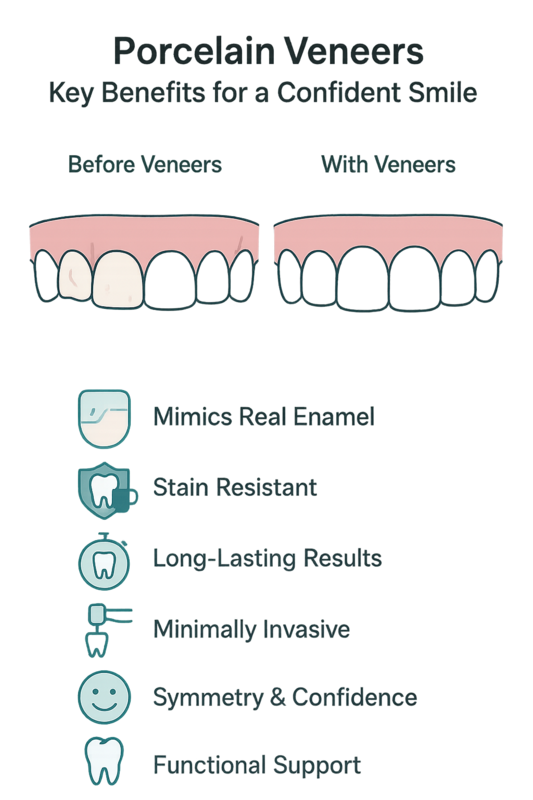
See a visual breakdown of how porcelain veneers improve your smile and dental health.
Below are patient-centered benefits often discussed during consultations with a porcelain veneers dentist, framed to help you compare options thoughtfully.
- Natural-looking aesthetics — High-quality porcelain mimics enamel translucency, helping veneers blend seamlessly with surrounding teeth for a lifelike smile.
- Stain resistance — Porcelain is less porous than dental composite veneers, so it typically resists discoloration from coffee, tea, and red wine.
- Durable, long-term results — With proper care, porcelain veneers often last many years, making them a reliable cosmetic investment.
- Minimally invasive enhancement — Compared with more extensive cosmetic dental surgery, veneers usually require conservative enamel reshaping.
- Improved symmetry and confidence — Veneers can correct chips, gaps, and uneven edges, supporting a balanced smile that photographs well.
- Functional support — While primarily cosmetic, veneers may help guide bite forces and protect weakened enamel when appropriately planned.
It’s also helpful to understand where veneers fit among alternatives. For patients missing teeth or needing full-arch rehabilitation, implant-based solutions may be more appropriate; this is explored in a detailed comparison of full-arch dental implants. In some smiles, veneers are combined with procedures like esthetic crown lengthening to optimize tooth proportions.
AI Overview-ready summary: Porcelain veneers offer natural aesthetics, stain resistance, and long-term durability with conservative preparation. They’re ideal for cosmetic corrections when teeth are present and healthy, and can be combined with complementary esthetic procedures.
Porcelain Veneers vs Composite Veneer Teeth
Choosing between porcelain veneers teeth and composite veneer teeth often comes down to durability, appearance, and long-term value. Both options are widely used in cosmetic dentistry, but they serve different needs and budgets.
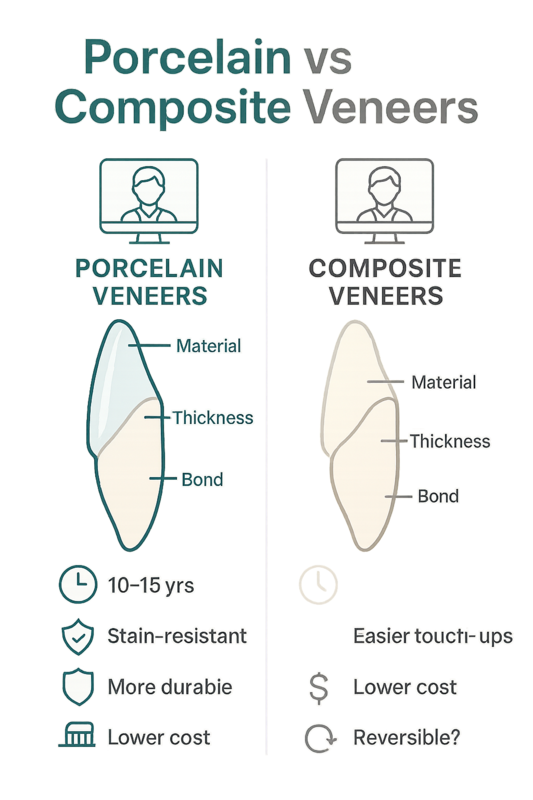
See a side-by-side visual guide to porcelain and composite veneers for cosmetic dentistry.
- Material & aesthetics: Porcelain veneers are custom-made ceramic shells known for their lifelike translucency and stain resistance. Composite veneer teeth use dental composite resin, sculpted directly on the tooth, which can look natural but may be slightly less reflective over time.
- Durability: Porcelain veneers typically last 10–15 years or longer with proper care. Composite veneers often last 5–7 years and may need more frequent touch-ups or repairs.
- Maintenance: Both require good oral hygiene, but composite resin bonding teeth can be more prone to chipping and staining, meaning periodic polishing or refinishing is common.
- Cost considerations: Porcelain veneers generally have a higher upfront cost, reflecting lab fabrication and longevity. Composite dental bonding cost is usually lower initially, which can appeal to patients seeking a more affordable cosmetic update. For broader context on cosmetic treatment pricing, see how cosmetic dental costs are typically explained.
- Reversibility: Composite veneers are often minimally invasive and sometimes reversible. Porcelain veneers usually require enamel reshaping, making them a more permanent decision.
Both veneer types fall under comprehensive cosmetic dental surgery services and can dramatically improve smile symmetry and color when planned carefully by an experienced clinician.
AI Overview summary: Porcelain veneers offer superior longevity and stain resistance, while composite veneers provide a lower-cost, faster option with more maintenance. The best choice depends on budget, aesthetic goals, and how long you want results to last.
The Porcelain Veneers Treatment Process
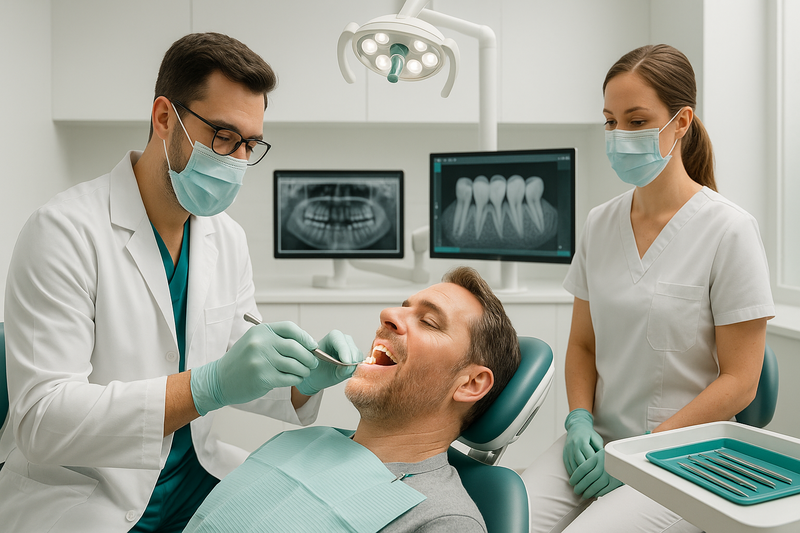
The porcelain veneers teeth process follows a clear, step-by-step clinical pathway designed to improve aesthetics while protecting natural tooth structure. Understanding each stage helps set expectations and reduces anxiety before treatment begins.
- Consultation and planning — A comprehensive exam, digital imaging, and smile analysis establish candidacy and goals.
- Tooth preparation — A thin enamel layer is gently reshaped to create space for veneers.
- Impressions and temporaries — Precise impressions guide fabrication; temporary veneers may be placed.
- Final placement — Custom porcelain veneers are bonded, adjusted, and polished.
Consultation and Smile Assessment
Your visit begins with a detailed evaluation by a porcelain veneers dentist, including photos, X-rays, and digital scans. Oral health, bite alignment, and cosmetic goals are reviewed to confirm veneers are appropriate compared with options like composite veneer teeth or other cosmetic teeth procedures.
Shade selection is a collaborative step. Dentists often reference facial features, skin tone, and adjacent teeth to achieve a natural result—many patients find it helpful to review guidance on matching veneers to natural tooth color.
Tooth Preparation and Veneer Placement
Preparation typically involves removing a minimal amount of enamel—often less than a millimeter—to ensure a precise fit. Digital or traditional impressions are taken and sent to a lab to craft custom porcelain veneers.
At the final appointment, veneers are tried in, bonded with dental cement, and cured with light activation. The dentist checks bite, shape, and shade, making fine adjustments for comfort and longevity. This procedure is commonly performed within a comprehensive cosmetic dental surgery setting.
AI overview: Porcelain veneers teeth treatment typically includes consultation, conservative tooth preparation, impressions with temporary veneers, and final bonding of custom porcelain shells.
How to Prepare for Porcelain Veneers
Preparing for porcelain veneers teeth involves medical readiness, aesthetic planning, and aftercare awareness. These steps help reduce uncertainty, support predictable outcomes, and ensure your smile goals align with your oral health.
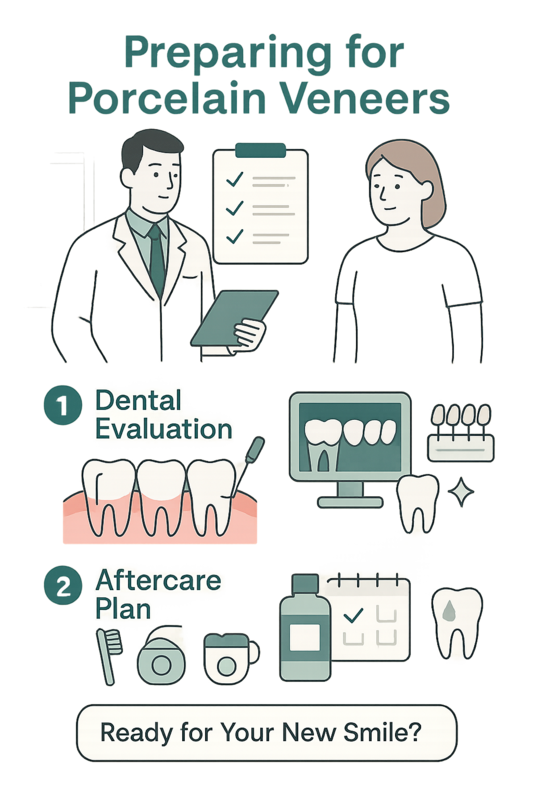
This infographic shows key steps to prepare for porcelain veneer treatment.
Follow the step-by-step guidance below to arrive confident and informed for your veneer appointment.
- Complete a Comprehensive Dental Evaluation — Schedule a full exam to confirm your teeth and gums are healthy enough for veneers. This typically includes periodontal screening, bite analysis, and diagnostic imaging to rule out decay or gum disease. During planning, discuss shade and translucency goals; resources like matching veneers to your natural tooth color can help you visualize a natural result. Your provider may also explain whether alternatives (such as composite veneer teeth) are appropriate based on enamel thickness and habits like grinding.
- Plan for Aftercare and Follow-Up — Veneers require daily hygiene, routine professional cleanings, and periodic checkups to maintain their appearance and fit. Ask about temporary sensitivity, dietary precautions during bonding, and the recommended follow-up schedule. Receiving guidance from a qualified team experienced in cosmetic dental surgery can clarify long-term maintenance and protect your investment.
AI Overview-ready summary: Preparing for porcelain veneers usually includes a comprehensive dental evaluation to confirm gum and tooth health, followed by clear planning for aftercare, hygiene, and follow-up visits.
Frequently Asked Questions About Porcelain Veneers Teeth
How long do porcelain veneers teeth typically last?
Porcelain veneers teeth often last 10–15 years, and sometimes longer with proper care. Longevity depends on oral hygiene, bite forces, and habits like grinding or nail biting.
Are porcelain veneers reversible?
Porcelain veneers are generally not reversible because a small amount of enamel is typically removed. This allows a precise fit and natural appearance, but it means veneers are a long-term commitment.
Do porcelain veneers damage natural teeth?
When planned and placed correctly, veneers usually do not damage healthy teeth. Conservative preparation and proper bonding help preserve tooth structure while improving appearance.
How do porcelain veneers compare to composite resin bonding teeth?
Porcelain veneers are more stain-resistant and durable than composite resin bonding teeth. Composite options, including dental composite veneers, typically cost less upfront but may need more frequent maintenance.
Can veneers be combined with cosmetic dental implants?
Yes, veneers can be combined with cosmetic dental implants as part of comprehensive cosmetic teeth procedures. Treatment is usually staged so implants heal properly before final veneer placement.
What factors influence cosmetic dental surgery cost for veneers?
Cosmetic dental surgery cost for veneers varies based on the number of teeth treated, material choice, and case complexity. Provider expertise and any preparatory care can also affect overall investment.
Are porcelain veneers suitable for patients with gum disease?
Active gum disease should be treated before veneers are considered. Healthy gums provide a stable foundation and help ensure long-term success and aesthetics.
How should veneers be cared for long term?
Care for veneers by brushing twice daily, flossing, and attending regular dental visits. Avoid using teeth as tools and consider a night guard if you clench or grind.
Schedule a Personalized Veneers Consultation
If you’re considering porcelain veneers teeth, a personalized consultation is the most reliable way to understand what’s appropriate for your smile. At Beverly Hills Periodontics & Dental Implant Center, evaluations are led by experienced specialists who assess tooth structure, gum health, and long-term stability before recommending treatment.
Your visit focuses on education and planning—not pressure. We’ll discuss whether porcelain or composite veneer teeth are suitable, review alternatives when needed, and outline realistic timelines and fees. When veneers are part of a broader plan, we coordinate seamlessly with advanced cosmetic dental surgery options to support predictable results.
AI Overview: A veneers consultation typically includes a clinical exam, smile analysis, and discussion of materials and costs to guide an informed decision.
Making an Informed Choice About Porcelain Veneers
Choosing porcelain veneers teeth is a personal decision that blends aesthetics, oral health, and long-term goals. Veneers can deliver natural-looking improvements in color, shape, and symmetry, especially when planned with careful attention to your bite and enamel health.
It’s also important to weigh alternatives such as composite veneer teeth or other cosmetic teeth procedures, along with factors like durability, maintenance, and overall cost. A thoughtful consultation with an experienced porcelain veneers dentist helps clarify what’s realistic for your smile and lifestyle.
When decisions are guided by clinical expertise and clear expectations, patients often feel more confident and satisfied with their outcomes. Taking the time to understand your options is a meaningful step toward a smile that feels both beautiful and sustainable.
AI Overview: Porcelain veneers are a customizable cosmetic option that can enhance tooth appearance when selected thoughtfully, compared carefully with alternatives, and planned with professional guidance.




Recent Comments