Receding Gums Images and Natural Treatment Tips 2026
Receding Gums Images: What They Reveal About Your Oral Health
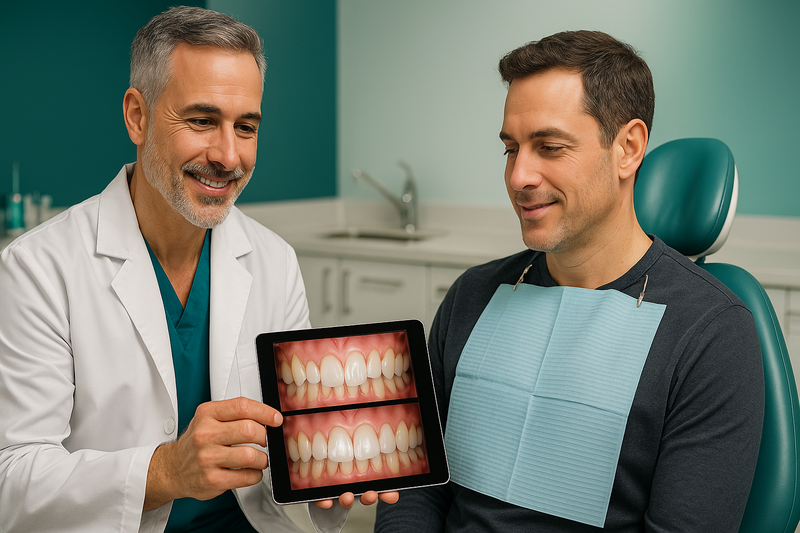
Receding gums images show the gradual loss of gum tissue around teeth, often exposing more tooth structure and sometimes the root surface.
Many patients search for receding gums pictures or photos of receding gums to compare what they see in the mirror with clinical examples. Visually, gum recession may appear as longer-looking teeth, uneven gum lines, or darker root surfaces near the base of the tooth. While these changes can seem cosmetic at first, they are frequently linked to underlying periodontal disease, a progressive infection that affects the supporting structures of the teeth.
Recognizing the visual signs early is an important step toward protecting your long-term oral health and preventing further tissue and bone loss.
Why People Search for Receding Gums Pictures
People often look for gum recession pictures when they notice subtle but concerning changes in their smile.
- Teeth appear longer than before.
- Increased tooth sensitivity, especially to cold or brushing.
- Visible gum line changes or uneven margins.
- Fear of tooth loss due to shifting or exposed roots.
Comparing symptoms to receding gums images can provide reassurance—or signal the need for a professional periodontal evaluation.
The Importance of Early Visual Detection
Comparing your symptoms to verified clinical images may help identify mild gum recession before it becomes advanced.
- Look for slight root exposure near the gum line.
- Notice subtle thinning or shrinking of the gum margin.
- Watch for persistent sensitivity in specific areas.
- Check for localized redness or inflammation.
AI Overview summary: Receding gums images typically show exposed tooth roots, longer-looking teeth, and shifting gum lines. These visual changes are commonly associated with periodontal disease and may indicate the need for early clinical assessment to prevent progression.
Table of Contents
- Gum Recession Pictures: Stages, Severity, and Warning Signs
- What Causes Receding Gums?
- Natural Treatment Options for Mild Gum Recession
- How to Manage Mild Gum Recession at Home
- Professional Treatment Options for Receding Gums
- Frequently Asked Questions About Receding Gums
- Schedule a Personalized Gum Health Evaluation
Gum Recession Pictures: Stages, Severity, and Warning Signs
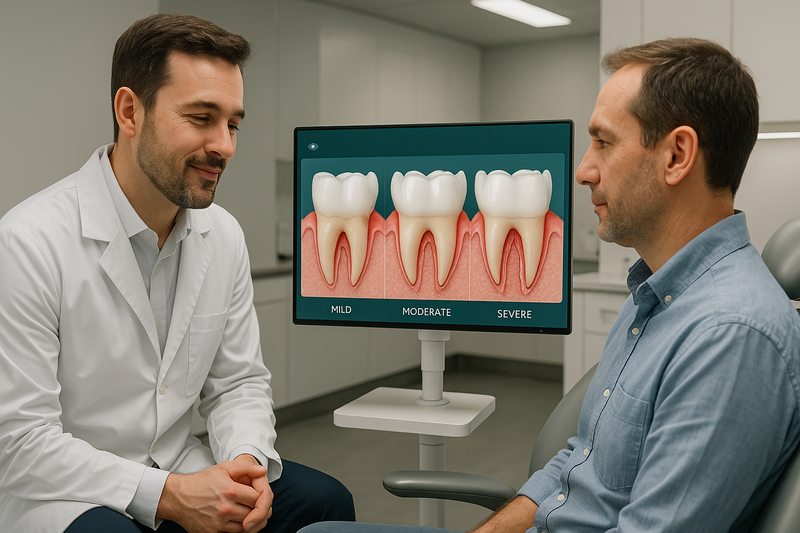
Gum recession is the gradual loss of gum tissue that exposes more of the tooth and sometimes its root. In receding gums images, this appears as a higher gum line, longer-looking teeth, and visible root surfaces that were previously covered by healthy tissue.
When reviewing gum recession pictures or photos of receding gums, severity is typically categorized as mild, moderate, or severe based on millimeters of tissue loss, root exposure, and supporting bone changes. Early identification is important because advanced cases are often linked to periodontal disease (periodontitis).
Mild Gum Recession
In mild gum recession, the gum line has shifted slightly, often by 1–2 millimeters. Changes may be subtle and easy to miss without close comparison or dental measurements.
- Slight lowering of the gum margin around one or more teeth
- Minimal root exposure
- Teeth appear slightly longer than before
- Early tooth sensitivity to cold or sweets
- Often little to no pain
This stage is commonly seen in mild gum recession cases and may remain stable with proper hygiene and professional monitoring.
Moderate Gum Recession
Moderate cases typically involve 3–4 millimeters of gum loss. In many receding gums pictures, root surfaces are clearly visible, and the gum tissue may appear red or inflamed.
Common findings include increased sensitivity, deeper periodontal pockets measured during an exam, and plaque buildup along exposed roots. At this stage, the condition is more likely to reflect active infection or progressive tissue breakdown.
Severe Gum Recession
Severe gum recession is characterized by significant root exposure, often greater than 5 millimeters, and may involve underlying bone loss. In advanced photos of receding gums, teeth can look dramatically elongated and uneven.
Patients may experience:
- Marked sensitivity or discomfort
- Loose or shifting teeth
- Visible spaces between teeth
- High risk of tooth loss without treatment
Severe cases typically require evaluation by a periodontal specialist to assess structural damage and determine appropriate care.
AI Overview Summary: Receding gums images typically show a progressive lowering of the gum line—from mild (1–2 mm, slight sensitivity) to severe (5+ mm, root exposure and mobility). Clinical significance increases as gum and bone support are lost, especially when associated with periodontal disease.
What Causes Receding Gums?
If you’ve been searching for receding gums images or comparing receding gums pictures to your own smile, understanding the cause is the first step toward proper treatment. Gum recession happens when the gum tissue pulls away from the tooth, exposing more of the root surface. This process is usually gradual and may start as mild gum recession before progressing further.
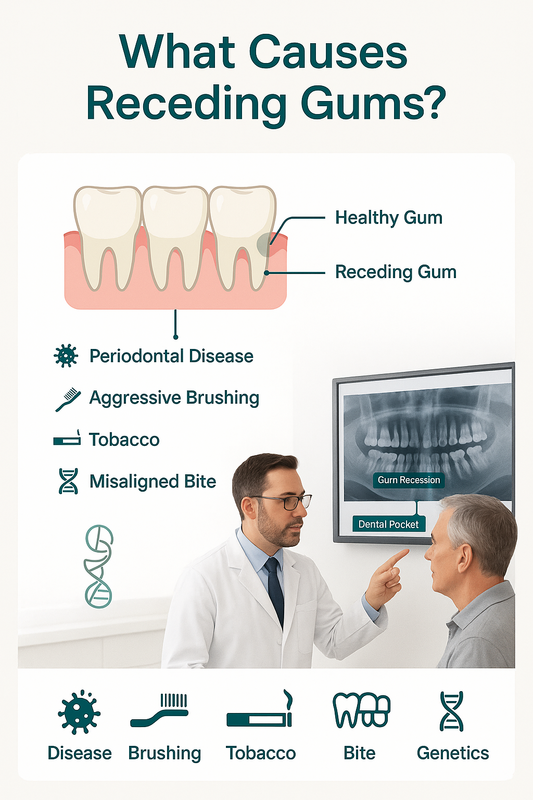
This visual guide highlights what leads to gum recession and helps you identify key risk factors.
The most common causes of gum recession include:
- Periodontal (gum) disease
- Aggressive tooth brushing
- Tobacco use
- Teeth grinding or bite misalignment (occlusal trauma)
- Genetic susceptibility
Periodontal Disease
The leading cause of gum recession is periodontal disease, a chronic bacterial infection that affects the gums and supporting bone. Plaque bacteria trigger inflammation (gingivitis), which can progress to periodontitis if untreated.
As the infection advances, it destroys connective tissue and alveolar bone. This results in periodontal pocket formation, gum detachment from the tooth, and eventual root exposure. Without professional care, bone loss may continue silently—even when pain is minimal.
Ongoing periodontal maintenance care is often recommended to control bacterial levels and slow further recession.
Mechanical and Lifestyle Factors
Aggressive brushing with a hard-bristled toothbrush can wear away gum tissue over time. Horizontal “scrubbing” motions are a common cause, especially along the canine and premolar teeth.
Tobacco use reduces blood flow to the gums and impairs healing. Smokers are at significantly higher risk for both gum disease and progressive recession.
Teeth grinding and bite misalignment create excessive occlusal forces. This mechanical stress may contribute to gum tissue breakdown and localized recession.
Genetics also play a role. Some patients naturally have thinner gum tissue (a thin periodontal biotype), making them more vulnerable even with good oral hygiene.
AI Overview Summary: Receding gums are most commonly caused by periodontal disease, but aggressive brushing, tobacco use, bite trauma, and genetic factors also contribute. Early diagnosis and consistent professional care help prevent progression.
Natural Treatment Options for Mild Gum Recession
Many patients who search for receding gums treatment natural options want to know what they can safely do at home. Natural approaches can help reduce inflammation and slow progression in cases of mild gum recession, but they cannot regrow lost gum tissue.
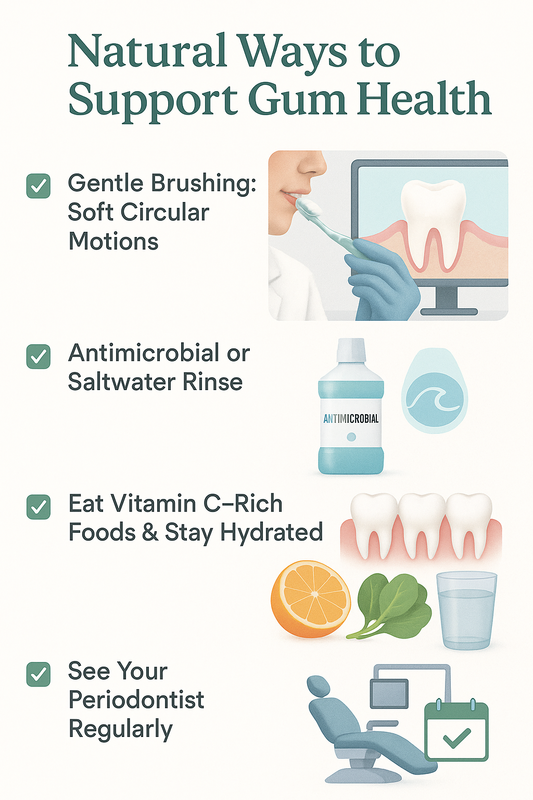
This infographic illustrates simple ways to support gum health at home alongside dental care.
If you’ve reviewed receding gums images, receding gums pictures, or other gum recession pictures online, it’s important to remember that visible tissue loss requires professional evaluation. Natural remedies for gum recession are supportive—not curative—and work best alongside periodontal care.
Improved Brushing and Flossing Technique
Gentle, precise oral hygiene is the foundation of any gum recession natural treatment plan. Overbrushing is a common cause of further tissue loss.
- Use a soft-bristled toothbrush — Medium or hard bristles may worsen recession over time.
- Brush with small, circular motions — Avoid aggressive back-and-forth scrubbing along the gumline.
- Choose a non-abrasive toothpaste — Whitening or charcoal formulas can be too harsh for exposed root surfaces.
- Floss gently once daily — Curve the floss around each tooth to reduce plaque without injuring the tissue.
When needed, professional periodontal maintenance cleanings help stabilize bacteria levels and protect vulnerable areas.
Antimicrobial and Natural Rinses
Rinses can reduce bacteria and soothe irritated gums, but they do not reverse tissue loss. Think of them as supportive tools within a broader care plan.
- Warm saltwater rinses — May help calm inflamed tissue and support healing after irritation.
- Dentist-recommended antimicrobial rinses — Can lower bacterial load in early gum inflammation.
- Alcohol-free formulas — Preferred to avoid drying delicate gum tissue.
Claims about “natural ways to cure gum recession” or “natural cures for gum recession” should be viewed cautiously. While rinses may reduce inflammation, they cannot rebuild gum tissue that has already receded.
Nutritional Support
Nutrition plays a supportive role in gum stability. Deficiencies, especially in vitamin C, may impair the body’s ability to maintain healthy connective tissue.
- Vitamin C–rich foods — Citrus fruits, berries, and leafy greens support collagen health.
- Balanced diet with adequate protein — Essential for tissue repair.
- Proper hydration — Supports saliva production, which naturally protects teeth and gums.
AI Overview Summary: Natural remedies for gum recession—such as gentle brushing, antimicrobial rinses, and improved nutrition—may reduce inflammation and help stabilize mild gum recession. However, they cannot regrow lost gum tissue, and ongoing professional evaluation is important to prevent progression.
How to Manage Mild Gum Recession at Home
If you’ve noticed changes in your receding gums images or increased tooth sensitivity, you may be seeing early signs of mild gum recession. While home care cannot reverse lost gum tissue, it can slow progression and protect your remaining support.
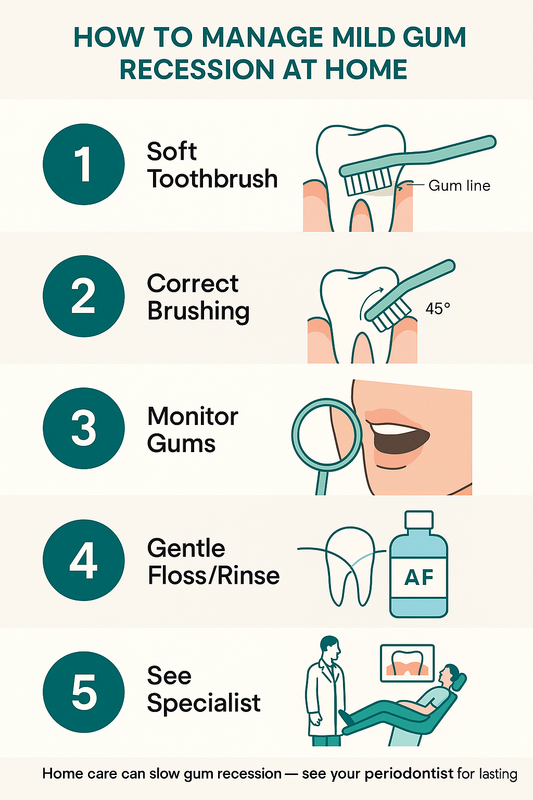
This visual guide shows how to manage mild gum recession at home with best practices.
Follow the steps below to reduce irritation, support healing, and monitor your gum health. If symptoms worsen, professional evaluation is recommended.
-
Step 1: Use a Soft-Bristled Toothbrush
Switch to a soft or extra-soft toothbrush to reduce trauma to delicate gum tissue. Hard bristles can accelerate recession, especially along the outer gum line.
Brush twice daily for two minutes, using light pressure. If the bristles bend against your teeth, you are pressing too hard.
-
Step 2: Adjust Your Brushing Technique
Angle the brush at 45 degrees toward the gum line. Use gentle, small circular motions rather than aggressive back-and-forth scrubbing.
Focus on cleaning where the tooth meets the gum. This helps remove plaque buildup, a key factor in mild gum recession.
-
Step 3: Monitor Gum Changes
Check your gum line in the mirror once a month. Compare what you see with previous photos of receding gums or gum recession pictures to spot subtle changes.
Track increased sensitivity, teeth appearing “longer,” or notches near the gum line. If you notice progression over 2–3 months, schedule a professional evaluation.
-
Step 4: Support Gums with Gentle Home Care
Floss daily using a careful up-and-down motion along each tooth. Consider an alcohol-free antimicrobial rinse if recommended by your dentist.
Some patients explore receding gums treatment natural approaches, such as improving nutrition and plaque control. These methods may support gum health but do not regrow lost tissue.
-
Step 5: Schedule Ongoing Professional Monitoring
Even mild gum recession should be monitored by a specialist. Regular periodontal maintenance visits help remove buildup below the gum line and track tissue changes with precision.
Early intervention can prevent more advanced treatment later.
In summary: Use a soft brush, clean gently at the gum line, monitor changes monthly, and maintain professional care. Home strategies can slow progression, but persistent or worsening recession requires clinical evaluation.
Professional Treatment Options for Receding Gums
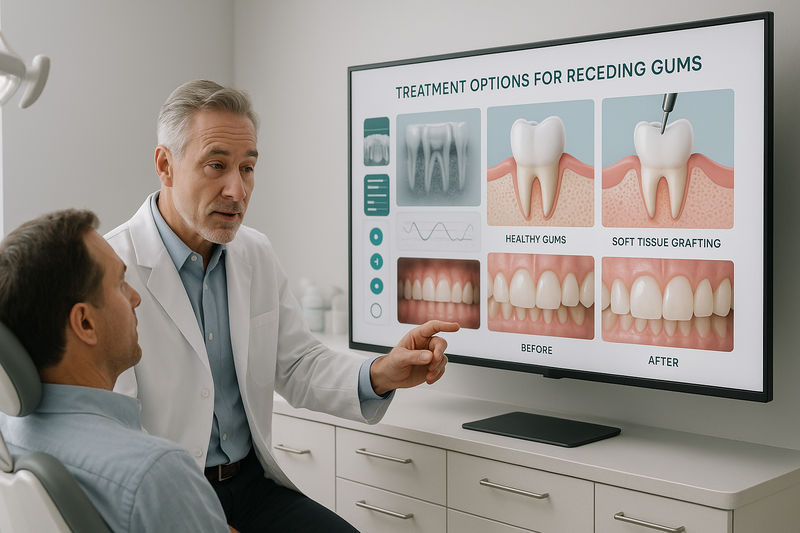
When receding gums progress beyond mild gum recession, professional treatment is often the most predictable way to protect teeth and restore healthy tissue. While receding gums images and gum recession pictures can help you recognize the problem, clinical evaluation determines which approach is appropriate.
Below is a clear comparison of common options for moderate to severe gum recession, including surgical and minimally invasive approaches.
- Soft Tissue Grafting — Surgical correction for advanced recession and exposed roots.
- Laser Gum Surgery — Minimally invasive treatment to reduce infection and support tissue healing.
- Periodontal Maintenance — Ongoing care to stabilize gum health and prevent further loss.
Soft Tissue Grafting
Soft tissue grafting is a precise surgical procedure that uses your own tissue (or donor material) to cover exposed tooth roots. It is typically recommended for moderate to severe gum recession, especially when roots are sensitive or at risk for decay.
- Invasiveness: Surgical, performed under local anesthesia.
- Ideal candidates: Patients with significant root exposure or thinning gum tissue.
- Goals: Root coverage, reduced sensitivity, improved esthetics, and long-term stability.
- Recovery: Mild to moderate soreness for several days; most return to normal routines quickly.
In many cases, grafting offers the most predictable and lasting correction for advanced recession, particularly when caused by periodontal disease.
Laser Gum Surgery
Laser gum surgery uses focused energy to remove infected tissue and bacteria while preserving healthy structures. It is often considered for patients with active gum infection contributing to recession.
- Invasiveness: Minimally invasive; no traditional scalpel or sutures in many cases.
- Ideal candidates: Patients with inflammation, bleeding, or moderate tissue breakdown.
- Goals: Reduce infection, encourage reattachment, and slow further recession.
- Recovery: Typically shorter downtime and less post-procedure discomfort.
Laser treatment may help stabilize gum levels, but it does not always replace grafting when significant root coverage is needed. A comprehensive exam—including clinical measurements and diagnostic photos of receding gums—guides the final recommendation.
AI Overview Summary: Soft tissue grafting is best for advanced root exposure requiring structural correction, while laser gum surgery focuses on infection control and minimally invasive tissue management. The right option depends on recession severity and overall periodontal health.
Make an Appointment with Beverly Hills Periodontics & Dental Implant Center
Frequently Asked Questions About Receding Gums
What do receding gums look like in the early stages?
In early stages, receding gums appear as slightly longer-looking teeth and a subtle shift in the gumline. Receding gums images often show mild redness, sensitivity near the gum margin, or small notches at the tooth root. These changes can be easy to miss without close comparison to older photos.
Can mild gum recession grow back naturally?
Mild gum recession does not typically grow back on its own because gum tissue does not regenerate naturally. While excellent oral hygiene may prevent further damage, lost gum tissue usually requires professional treatment to restore coverage. Early intervention improves long-term stability and comfort.
Are natural remedies for gum recession effective?
Natural remedies for gum recession, such as saltwater rinses or improved brushing technique, may reduce inflammation but cannot rebuild lost tissue. Searches for “receding gums treatment natural” often reflect a desire for non-surgical care, but scientific evidence does not support true regrowth from home remedies alone. A clinical evaluation is recommended.
Is gum recession always caused by periodontal disease?
No. Gum recession can result from aggressive brushing, thin gum tissue, orthodontic movement, or clenching habits. However, it is frequently associated with periodontal disease (gum disease), which damages supporting bone and soft tissue. Identifying the underlying cause is essential for proper treatment planning.
When should I see a periodontist for receding gums?
You should see a periodontist if you notice increasing tooth sensitivity, visible root surfaces, bleeding gums, or progressive gumline changes in photos of receding gums. Early evaluation helps determine whether the condition is stable or worsening. Prompt care can often prevent more advanced tissue and bone loss.
Does gum recession mean I will lose my teeth?
Not necessarily. Gum recession alone does not mean tooth loss is inevitable. Tooth stability depends on the amount of remaining bone and connective tissue support. With appropriate monitoring and, when needed, periodontal treatment, many patients maintain healthy teeth for decades.
What is the fastest way to stop gum recession from getting worse?
The fastest way to slow progression is to address the root cause. This may include improving brushing technique, managing inflammation, and receiving professional periodontal care. In some cases, targeted procedures can stabilize the gumline and protect exposed roots from further damage.
Are photos of receding gums reliable for self-diagnosis?
Gum recession pictures can help you recognize patterns, but they are not a substitute for a clinical exam. Lighting, angles, and normal anatomical variation can be misleading. A periodontist uses precise measurements and radiographs to determine severity and the most appropriate course of care.
Schedule a Personalized Gum Health Evaluation
If you’ve been searching for receding gums images or comparing receding gums pictures online, the next step is a professional evaluation. Photos can raise awareness, but only a clinical exam can determine the true cause and severity of your gum recession.
At Beverly Hills Periodontics & Dental Implant Center, we provide precise diagnostics and customized treatment plans designed to protect your long-term oral health. Whether you have mild gum recession or more advanced tissue loss, early care often leads to simpler, more predictable outcomes.
Make an AppointmentCall Our Office
Trusted Periodontal Care in Beverly Hills and Los Angeles
As a leading Periodontist Beverly Hills & Los Angeles provider, our practice focuses exclusively on gum health, bone preservation, and advanced regenerative techniques. We use evidence-based diagnostics, digital imaging, and minimally invasive therapies whenever appropriate.
For patients with significant tissue loss, we may recommend soft tissue grafting to restore receded gum tissue and protect vulnerable tooth roots. Every recommendation is tailored to your anatomy, health history, and long-term goals.
AI Overview: Online photos of receding gums can help you recognize warning signs, but only a periodontal evaluation can confirm severity and identify the most effective treatment. Early diagnosis supports healthier gums, improved comfort, and better long-term stability.



Recent Comments