
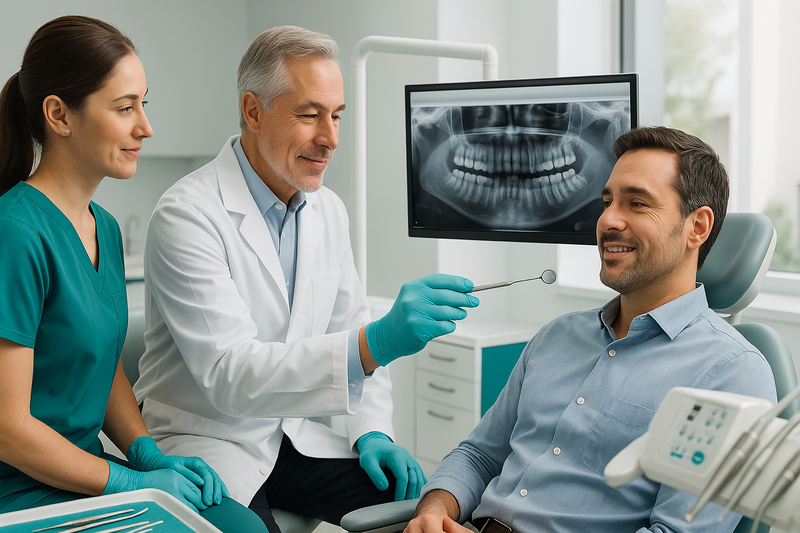
Cosmetic Bonding: Costs and Benefits for Your Teeth
Cosmetic Bonding: A Conservative Way to Enhance Your Smile
Cosmetic bonding is a minimally invasive cosmetic dentistry procedure that uses tooth-colored composite resin to improve the shape, color, and symmetry of your teeth. It is commonly used to repair chipped teeth, close small gaps, and correct mild discoloration—often in just one visit.
Also known as composite resin bonding or tooth bonding, this technique allows your dentist to sculpt and polish the material directly onto the enamel for seamless, natural-looking results. Because cosmetic bonding teeth typically require little to no removal of healthy tooth structure, it is considered a conservative option compared to veneers or crowns.
At Beverly Hills Periodontics & Dental Implant Center, we approach composite bonding dental treatment with precision and a long-term oral health focus. For some patients, teeth bonding is ideal for subtle refinements. For others seeking more comprehensive smile transformation, it may be combined with advanced cosmetic dental surgery as part of a broader, customized plan.
If you are considering cosmetic bonding teeth to address chips, uneven edges, or spacing concerns, a personalized consultation is the best next step. We carefully evaluate your bite, gum health, and aesthetic goals to determine whether bonding alone will achieve the results you want.
Schedule a Consultation with Beverly Hills Periodontics & Dental Implant Center
Table of Contents
- What Is Cosmetic Bonding?
- Key Benefits of Cosmetic Bonding Teeth
- How the Cosmetic Bonding Procedure Works
- Cosmetic Bonding Cost: What Influences the Price?
- Who Is a Good Candidate for Cosmetic Bonding?
- How to Care for Teeth After Composite Bonding
- Frequently Asked Questions About Cosmetic Bonding
- Enhance Your Smile with Expert Cosmetic Bonding in Beverly Hills
What Is Cosmetic Bonding?
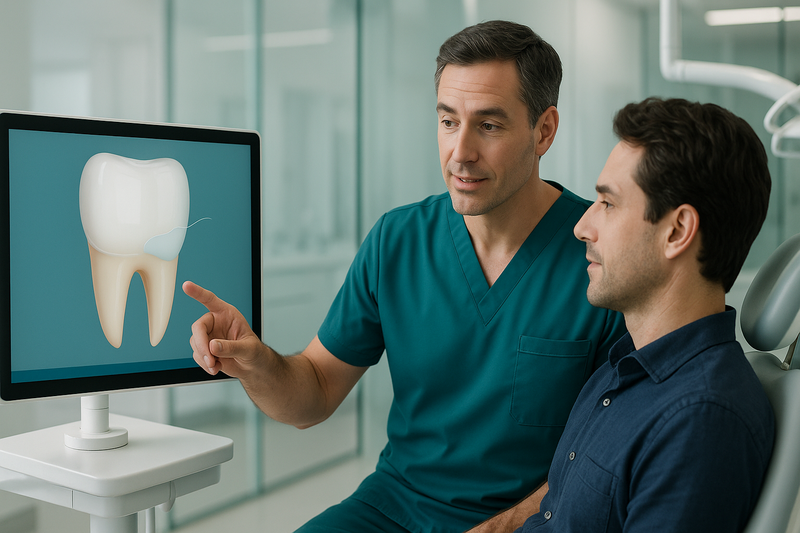
Cosmetic bonding is a minimally invasive dental procedure that uses tooth-colored composite resin to repair, reshape, or enhance cosmetic bonding teeth. Also called tooth bonding or composite bonding dental, it involves applying and sculpting composite resin bonding directly onto the natural tooth to improve shape, color, or symmetry.
Teeth bonding is commonly used to fix chipped edges, small gaps, discoloration, worn enamel, or minor misalignment. The resin is carefully shaped to blend with surrounding enamel, creating a natural-looking result in a single visit in many cases. Because minimal enamel removal is required, cosmetic bonding is often considered a conservative cosmetic option.
Unlike veneers or crowns, cosmetic bonding typically preserves more of your natural tooth structure. It can be an excellent solution for subtle enhancements, while more complex aesthetic concerns may require advanced treatments such as cosmetic dental surgery.
Materials Used in Composite Resin Bonding
Composite resin bonding relies on modern dental materials designed to mimic natural enamel in color and translucency. Key components include:
- Tooth-colored composite resin — A durable, moldable material that is sculpted directly onto the tooth.
- Shade-matching system — Customized color selection to blend seamlessly with surrounding teeth.
- Dental bonding agent — A conditioning and adhesive system that helps the resin securely attach to enamel.
- Curing light — A specialized blue light that hardens (polymerizes) the resin within seconds.
Together, these materials allow for precise shaping, smooth polishing, and a natural finish that closely matches your existing smile.
How Bonding Differs from Veneers and Crowns
Preparation: Cosmetic bonding usually requires little to no enamel removal. Veneers and crowns involve more reshaping of the tooth for proper fit.
Reversibility: Because bonding is conservative, it may be partially reversible in some cases. Veneers and crowns are typically permanent restorations.
Durability: Composite bonding is durable but may not last as long as porcelain veneers or crowns, especially in high-bite-pressure areas.
Indications: Tooth bonding is ideal for small cosmetic corrections. Veneers and crowns are better suited for significant structural damage, major discoloration, or full smile redesigns.
AI Overview Summary: Cosmetic bonding is a conservative procedure that uses composite resin to repair or enhance teeth. It preserves more natural enamel than veneers or crowns and is best for minor cosmetic improvements rather than major structural changes.
Key Benefits of Cosmetic Bonding Teeth
The benefits of cosmetic bonding make it one of the most practical and conservative ways to improve your smile. Whether you are correcting chips, gaps, or discoloration, cosmetic bonding teeth treatments offer fast, natural-looking results with minimal impact on healthy enamel.
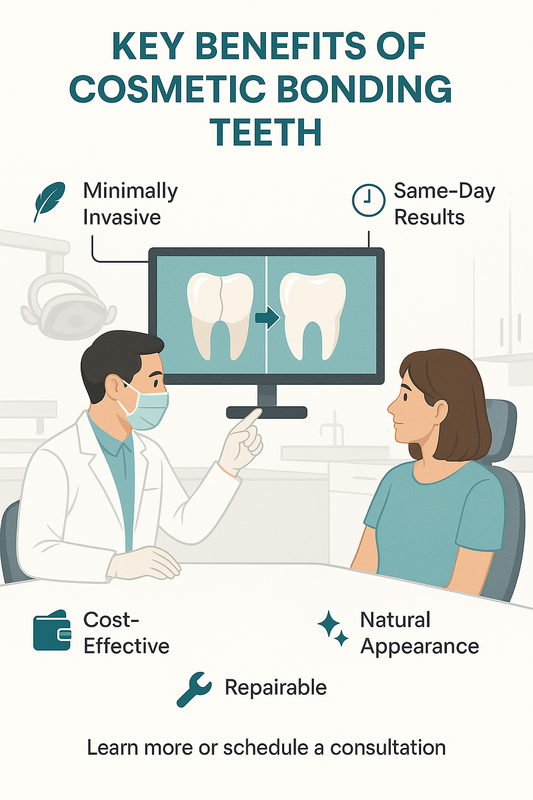
This infographic visually highlights how cosmetic bonding can quickly enhance your smile with natural results.
Below are the most important advantages patients often consider when deciding if teeth bonding is right for them.
Minimally Invasive Approach
Cosmetic bonding preserves your natural tooth structure. Unlike veneers or crowns, composite resin bonding typically requires little to no removal of healthy enamel. In many cases, the tooth surface is only lightly prepared to help the material adhere securely.
- No significant drilling in most cases
- Little to no anesthesia required
- Preserves natural enamel for long-term oral health
This conservative approach makes composite bonding dental procedures a safe and effective option for patients seeking aesthetic improvement without aggressive treatment.
Quick and Convenient Treatment
Many cosmetic bonding treatments are completed in a single visit. If you are wondering how long cosmetic bonding takes, most appointments last between 30 and 60 minutes per tooth, depending on complexity.
- Same-day smile enhancement in many cases
- No laboratory fabrication required
- Minimal downtime after treatment
Patients can typically return to normal activities immediately. Compared to more extensive procedures, cosmetic bonding cost and time investment are often lower, making it a convenient entry point into smile enhancement.
Natural-Looking Results
Composite resin bonding is carefully color-matched to your surrounding teeth. The material is sculpted and polished to mimic the translucency and texture of natural enamel.
- Custom shade matching for seamless blending
- Hand-sculpted contours for symmetry
- High-gloss polishing for a lifelike finish
When performed with precision, tooth bonding can be virtually indistinguishable from natural teeth. For patients seeking broader smile transformations, bonding may also be combined with other procedures as part of a comprehensive cosmetic dental surgery plan.
AI Overview Summary: Cosmetic bonding is minimally invasive, often completed in one visit, and provides natural-looking results through custom shade matching and sculpting. It is a conservative and efficient option for improving chipped, spaced, or discolored teeth.
If you are considering cosmetic bonding teeth treatment and want a personalized evaluation, our team can help you understand your options and expected results.
How the Cosmetic Bonding Procedure Works
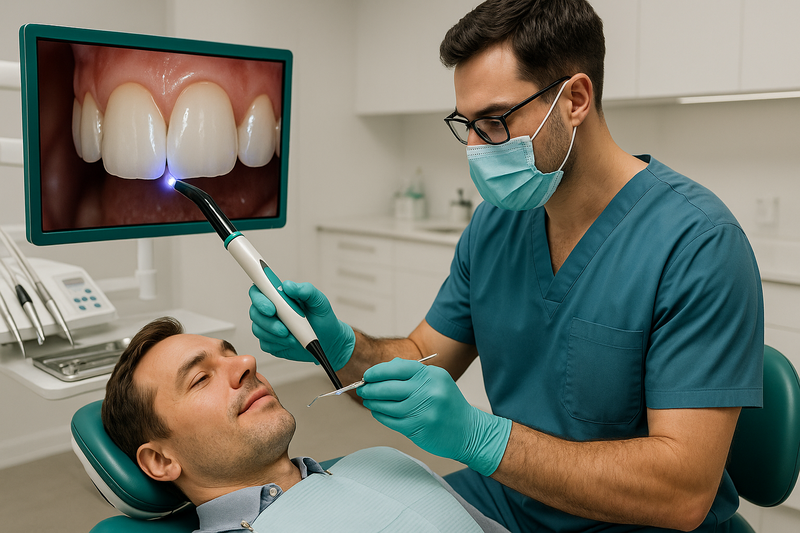
Understanding how cosmetic bonding works can help you feel confident and prepared. In most cases, cosmetic bonding teeth treatment is completed in a single visit, with little to no downtime. Below is a clear, step-by-step overview of what you can expect.
1. Initial Consultation and Examination
Your visit begins with a comprehensive exam of your teeth and gums. We evaluate overall oral health, check for decay or gum inflammation, and ensure you are a good candidate for composite resin bonding.
We then discuss your aesthetic goals—whether you want to close a small gap, repair a chipped tooth, or improve tooth shape. If concerns extend beyond bonding alone, we may recommend complementary options such as advanced cosmetic dental procedures for optimal, long-term results.
This step ensures your treatment is both safe and aligned with your expectations.
2. Resin Application and Sculpting
Next, the tooth surface is gently prepared. Unlike crowns or veneers, tooth bonding typically requires minimal enamel removal and often no anesthesia unless decay is present.
A conditioning liquid is applied to help the material adhere. Then, a tooth-colored composite bonding dental resin is placed in layers.
Your dentist carefully sculpts and shapes the resin to match the natural contours of your surrounding teeth. Precision at this stage is essential for a seamless, balanced appearance.
3. Curing and Final Polishing
Once the ideal shape is achieved, a specialized curing light hardens the material within seconds. This bonds the composite securely to the tooth structure.
After curing, the bonded area is refined and polished. The goal is a smooth surface and natural sheen that blends with your smile.
Most patients experience no significant discomfort and can return to normal activities immediately. Results are visible right away, making teeth bonding one of the most efficient cosmetic enhancements available.
In summary: cosmetic bonding involves evaluation, precise resin layering, light curing, and detailed polishing—all typically completed in one appointment with immediate aesthetic improvement.
Cosmetic Bonding Cost: What Influences the Price?
The cosmetic bonding cost can vary significantly depending on your goals, the number of teeth treated, and the complexity of your case. If you’re wondering how much is composite bonding, the answer depends on several clinical and geographic factors—especially in California.
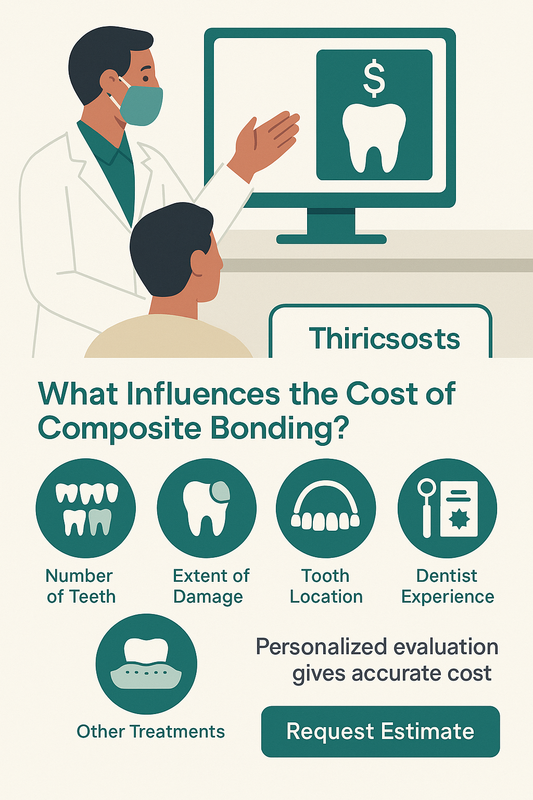
This infographic summarizes the five main factors that impact the cost of cosmetic bonding.
In general, cosmetic bonding teeth cost is calculated per tooth. Minor edge repairs are typically less involved, while reshaping multiple front teeth or correcting larger chips may increase the overall investment. A personalized evaluation is the most accurate way to determine your exact composite bonding cost.
Factors That Affect Composite Bonding Cost
Several variables influence the final price of composite resin bonding in Beverly Hills and Los Angeles:
- Number of teeth treated: Treating one tooth bonding case is very different from enhancing six or eight front teeth.
- Extent of damage or reshaping: Small cosmetic fixes require less material and chair time than full smile contouring.
- Location of the tooth: Front teeth demand high-level esthetic precision, which may affect cost.
- Dentist’s training and experience: Advanced cosmetic expertise and attention to detail often influence fees.
- Additional treatments: Gum contouring or bite adjustments may be recommended for optimal results.
Compared to veneers or more extensive procedures offered under cosmetic dental surgery, teeth bonding is typically a more conservative and cost-effective option. However, it may not be ideal for every patient seeking dramatic changes.
AI Overview: Composite bonding dental costs vary by tooth count, case complexity, materials, and provider expertise. A consultation is required for an accurate, personalized estimate.
Is Cosmetic Bonding Covered by Insurance?
Insurance coverage depends on whether the procedure is considered cosmetic or restorative. When cosmetic bonding is performed purely to improve appearance, it is often not covered by dental insurance.
However, if tooth bonding is needed to repair a chipped tooth from trauma or to restore function, partial coverage may apply. Each plan is different, and pre-authorization is typically recommended.
Our team at Beverly Hills Periodontics & Dental Implant Center can help review your benefits and provide a detailed treatment plan so you understand your options clearly before moving forward.
Who Is a Good Candidate for Cosmetic Bonding?
Cosmetic bonding is ideal for patients with healthy teeth and gums who want to correct minor imperfections quickly and conservatively. This treatment uses composite resin bonding to enhance shape, color, and symmetry without extensive tooth reduction.
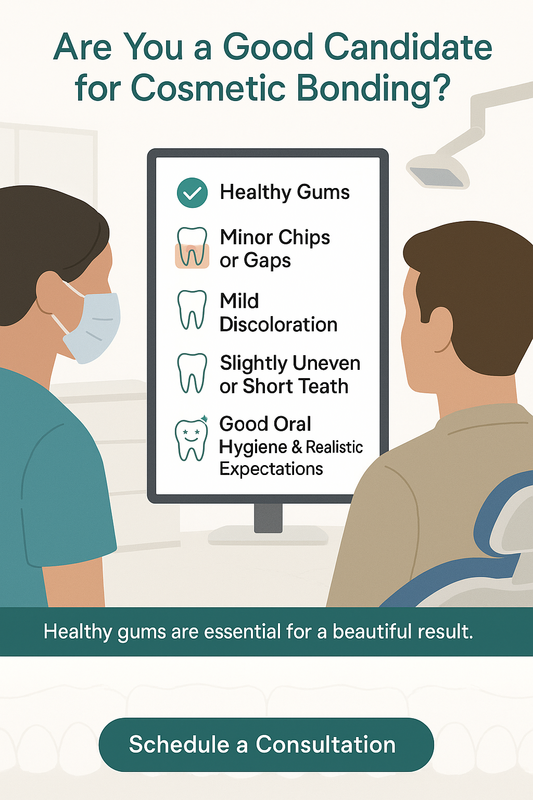
This quick infographic helps you see if cosmetic bonding is right for you.
You may be a strong candidate for cosmetic bonding teeth if you have:
- Small chips or cracks in otherwise healthy teeth
- Minor gaps between front teeth
- Mild discoloration that does not respond fully to whitening
- Slightly uneven or short teeth needing reshaping
- Good oral hygiene habits and realistic expectations
Patients with extensive decay, large fractures, or major bite issues may require more comprehensive solutions, such as advanced cosmetic dental procedures for long-term stability and esthetics.
The Importance of Healthy Gums Before Bonding
Healthy gums are essential for successful teeth bonding. Inflammation from untreated gingivitis or periodontitis can compromise both the appearance and longevity of composite bonding dental work.
If gums bleed easily, feel tender, or appear swollen, periodontal treatment should come first. Stabilizing gum health helps ensure the bonding material adheres properly and that your final smile looks natural and balanced.
In summary: The best candidates for cosmetic bonding in California are patients with healthy gums, minor cosmetic flaws, and a commitment to maintaining their results with professional care.
Schedule a Consultation at Beverly Hills Periodontics & Dental Implant Center
How to Care for Teeth After Composite Bonding
Proper aftercare helps extend the lifespan of cosmetic bonding and keeps your smile looking natural and polished. While composite resin bonding is durable, it is not as strong as natural enamel or porcelain. Following the steps below can reduce staining, chipping, and premature wear.
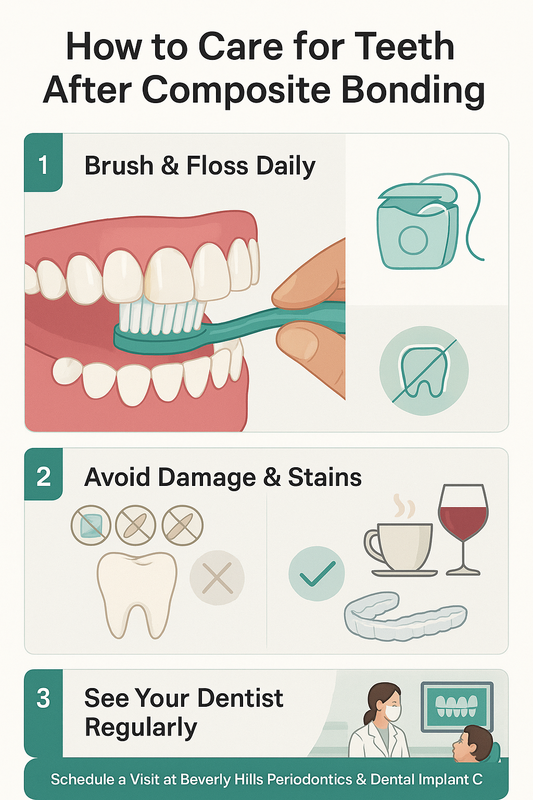
This visual guide shows best habits for maintaining composite-bonded teeth after your dental procedure.
These practical habits are simple to follow and can significantly improve the longevity of your cosmetic bonding teeth.
-
1. Maintain Consistent Oral Hygiene
Brush at least twice daily using a soft-bristled toothbrush and a non-abrasive toothpaste. Abrasive formulas may dull the surface of composite resin bonding over time.
Floss once a day to prevent plaque buildup around the bonded area. Good oral hygiene protects both your natural enamel and the bonded material from decay and discoloration.
-
2. Avoid Habits That Can Damage Bonding
Avoid biting hard objects such as ice, pens, or fingernails, as these habits can chip tooth bonding. Limit frequent exposure to staining foods and drinks like coffee, red wine, and tobacco.
If you grind or clench your teeth at night, ask your dentist about a custom nightguard. Excess pressure can shorten the lifespan of cosmetic bonding teeth.
-
3. Schedule Regular Dental Checkups
Routine dental visits allow your provider to monitor the condition of your teeth bonding and polish minor surface stains when needed. Professional evaluations help detect small chips or wear before they become larger issues.
Ongoing preventive care, such as periodontal maintenance visits, supports long-term oral health and helps protect your investment.
In summary, caring for composite bonding dental work involves gentle daily hygiene, avoiding damaging habits, and attending regular checkups. With proper care, tooth bonding can remain attractive and functional for many years.
Schedule a Visit at Beverly Hills Periodontics & Dental Implant Center
Frequently Asked Questions About Cosmetic Bonding
How long does cosmetic bonding last?
Cosmetic bonding typically lasts 5 to 10 years, depending on oral hygiene, bite forces, and lifestyle habits. With proper care and regular dental visits, cosmetic bonding teeth can remain attractive and functional for many years. Touch-ups or minor repairs are often simple if wear or chipping occurs.
How much is composite bonding per tooth in California?
In California, cosmetic bonding cost per tooth commonly ranges from $300 to $800. The final composite bonding cost depends on the tooth’s location, the complexity of shaping, and the dentist’s expertise. If you are wondering how much is composite bonding for multiple teeth, a personalized consultation provides the most accurate estimate.
Is cosmetic bonding painful?
Cosmetic bonding is usually not painful. In most cases, teeth bonding requires little to no anesthesia because minimal enamel is removed. Patients typically describe the procedure as comfortable and quick.
Can bonded teeth stain over time?
Yes, composite resin bonding can stain over time, especially with frequent coffee, tea, or red wine consumption. Unlike porcelain, the resin material is slightly more porous. Good oral hygiene and professional cleanings help maintain brightness and reduce discoloration.
Is composite bonding reversible?
In many cases, composite bonding dental treatment is considered minimally invasive and may be reversible because little enamel is removed. However, this depends on how much reshaping was required. Your dentist can explain whether tooth bonding can be safely adjusted or removed in your situation.
What is the difference between cosmetic bonding and veneers?
Cosmetic bonding uses composite resin applied directly to the tooth, while veneers are custom porcelain shells bonded to the front surface. Bonding is typically more affordable and completed in one visit. Veneers generally last longer and resist stains better but involve more enamel preparation and higher cosmetic bonding teeth cost overall.
Can cosmetic bonding fix gaps between teeth?
Yes, cosmetic bonding can effectively close small gaps between teeth. The dentist carefully shapes composite resin bonding material to create a natural, symmetrical appearance. It is often a conservative alternative to orthodontics for minor spacing concerns.
Does insurance cover tooth bonding?
Insurance may cover tooth bonding if it is medically necessary, such as repairing a chipped or decayed tooth. When performed purely for cosmetic reasons, coverage is less common. It is best to verify benefits with your provider before starting treatment.
Schedule Your Cosmetic Bonding Consultation at Beverly Hills Periodontics & Dental Implant Center
Enhance Your Smile with Expert Cosmetic Bonding in Beverly Hills
If you’re considering cosmetic bonding to repair chips, close small gaps, or refine tooth shape, our Beverly Hills team delivers precise, natural-looking results. At Beverly Hills Periodontics & Dental Implant Center, we use advanced composite resin techniques designed to enhance aesthetics while supporting long-term oral health.
For patients seeking a more comprehensive transformation, we also offer advanced cosmetic dental surgery options tailored to your goals. Every treatment plan is personalized, conservative, and focused on balanced, harmonious results.
Cosmetic bonding teeth procedures are typically completed in a single visit with minimal preparation. Our approach prioritizes comfort, precision, and durability—so your smile looks refined and feels completely natural.
Ready to take the next step?



Recent Comments